 2 citations
,
August 2023 in “Development”
2 citations
,
August 2023 in “Development” Hair follicles in the back of the rosette fancy mouse have reversed orientations due to a gene mutation.
5 citations
,
December 2018 in “Frontiers in Endocrinology” Differences in androgen receptor expression and tissue properties may lead to higher cryptorchidism risk in certain rats.
 November 2022 in “The journal of investigative dermatology/Journal of investigative dermatology”
 Different types of PPARγ are found in varying amounts in human skin and its parts, which could affect how skin treatments work.
 3 citations
,
September 2019 in “PLOS ONE”
3 citations
,
September 2019 in “PLOS ONE” Genetic variations affect dutasteride treatment response for male pattern hair loss.
 17 citations
,
August 2012 in “Journal of Medical Genetics”
17 citations
,
August 2012 in “Journal of Medical Genetics” A new mutation in the XEDAR gene might cause a rare skin condition called hypohidrotic ectodermal dysplasia.
July 2022 in “The Egyptian Journal of Hospital Medicine” Targeting IL-15 may help treat Alopecia Areata.
February 2024 in “Zagazig University Medical Journal” TCF7L2 gene polymorphism is linked to alopecia areata, but it doesn't affect the success of PRP or conventional treatments.
 17 citations
,
November 2017 in “Asian-Australasian journal of animal sciences”
17 citations
,
November 2017 in “Asian-Australasian journal of animal sciences” Certain gene mutations are linked to wool quality in sheep and could help in breeding for better wool.
 98 citations
,
June 2008 in “Human mutation”
98 citations
,
June 2008 in “Human mutation” A genetic change in the EDAR gene causes the unique hair traits found in East Asians.
53 citations
,
June 2005 in “The journal of investigative dermatology/Journal of investigative dermatology” KAP genes show significant genetic variability, but its impact on hair traits is unclear.
 1 citations
,
December 2023 in “Curēus”
1 citations
,
December 2023 in “Curēus” Most children with a common hemochromatosis genotype had elevated iron levels but no severe symptoms.
January 2025 in “Genetics in Medicine Open” A new gene variant in a girl with Coffin-Lowry Syndrome may link the condition to early puberty.
26 citations
,
March 1995 in “Differentiation” A rabbit gene important for hair development was identified and detailed.
354 citations
,
August 1991 in “Molecular Endocrinology” Human adrenals and gonads have a unique enzyme for steroid hormone production.
20 citations
,
April 2002 in “PubMed” Mini rats have thinner skin, more fat, and different hair cycles than Wistar rats due to lower growth hormone levels.
 June 2026 in “arXiv (Cornell University)”
 The new method improves SNP analysis in genetic studies by combining tests, enhancing accuracy and cost-effectiveness.
153 citations
,
April 1998 in “Current Biology” The risk of skin tumors becoming malignant depends on the specific skin cell type affected.
99 citations
,
March 2013 in “Journal of Investigative Dermatology” Mutations in the ABCB6 gene cause Dyschromatosis Universalis Hereditaria.
November 2005 in “Journal of Investigative Dermatology Symposium Proceedings”  October 2025 in “Scientific Reports”
 AR gene variations don't affect aging markers in men.
 August 2022 in “Frontiers in genetics”
 A new genetic change in the DSC3 gene is linked to a rare condition causing hair loss and skin blisters in a child.
January 2017 in “Murdoch Research Repository (Murdoch University)” A new genetic variant in the EEF2K gene may contribute to polycystic ovary syndrome.
December 2004 in “SUNScholar (Stellenbosch University)” Certain genetic markers can indicate a person's risk of developing prostate cancer.
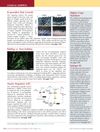 July 2016 in “Journal of Investigative Dermatology”
 R-spondin2 may help treat hair loss, gene differences could explain baldness, a peptide's regulation is linked to psoriasis, B-defensin gene copies may affect a skin condition's risk and severity, and potential markers and targets for alopecia areata were identified.
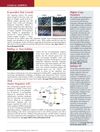 July 2016 in “Experimental Dermatology”
 New treatments for hair growth and psoriasis may be possible, and gene differences could affect baldness and the severity of skin conditions.
 2 citations
,
April 2020 in “bioRxiv (Cold Spring Harbor Laboratory)”
2 citations
,
April 2020 in “bioRxiv (Cold Spring Harbor Laboratory)” The new method found new shared genetic areas linked to both Type 2 Diabetes and Prostate Cancer.
 67 citations
,
February 1997 in “Teratology”
67 citations
,
February 1997 in “Teratology” Finasteride, when given in high oral doses to pregnant monkeys, caused genital abnormalities in male fetuses, but not in female fetuses or those exposed to intravenous finasteride.
10 citations
,
April 2013 in “Journal of Investigative Dermatology” Epidermolytic ichthyosis can be inherited in a semidominant way with mild symptoms in carriers.
46 citations
,
December 1998 in “Journal of Biological Chemistry” Keratin 19 forms less stable and shorter filaments than keratin 14, giving unique traits to certain skin cells.
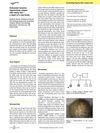 1 citations
,
August 2011 in “Dermatology Reports”
1 citations
,
August 2011 in “Dermatology Reports” Two siblings were found to have a genetic condition causing progressive hair loss and woolly hair, which may often be misdiagnosed.