 February 2025 in “Applied Sciences”
 Scenedesmus deserticola JD052 extracts may help hair growth and could be a natural treatment for hair loss.
 January 2025 in “Clinical Cosmetic and Investigational Dermatology”
 Pediatric alopecia areata is more immune-active than adult cases, suggesting age-specific treatments and potential use of JAK inhibitors.
 December 2024 in “Journal of the International Society of Sports Nutrition”
 Creatine monohydrate is safe and effective for muscle recovery and performance, especially for those with low creatine levels.
 June 2024 in “International Journal of Nanomedicine”
 CRISPR/Cas9 has improved precision and control but still faces clinical challenges.
 January 2024 in “Authorea (Authorea)”
 STK11 gene polymorphism does not predict metformin response in PCOS.
 July 2023 in “Regenerative Therapy”
 Stem cell and platelet-rich plasma therapies show promise for COVID-19 related hair loss, but more research is needed.
 December 2022 in “IntechOpen eBooks”
 Forensic DNA Phenotyping accurately predicts physical traits and is used in investigations, but needs more diverse population data for confirmation.
 November 2022 in “Scientific Reports”
 Certain ESR1 gene variations may affect hormone levels and fat distribution in women with high male hormone levels.
 January 2022 in “IntechOpen eBooks”
 Some lesser-known causes of PCOS include autoimmune issues, genetic mutations, and changes in the body's microbiome.
May 2004 in “Biochimica et Biophysica Acta (BBA) - Molecular Basis of Disease” Vitamin E affects liver metabolism, enhancing stress resistance, reducing blood clotting, and altering hormone processing.
 January 2024 in “Journal of lipid research”
 Finasteride may lower cholesterol and slow heart disease progression.
December 2022 in “Molecular Pharmaceutics” Latanoprost-loaded nanotransfersomes could help treat hair loss by promoting hair growth.
37 citations
,
December 2017 in “Journal of Investigative Dermatology Symposium Proceedings” Black and Hispanic women are more likely to have alopecia areata than white women.
November 2024 in “SKIN The Journal of Cutaneous Medicine” Alopecia areata severity and symptoms vary by race and ethnicity.
 5 citations
,
November 2021 in “History & Philosophy of the Life Sciences”
5 citations
,
November 2021 in “History & Philosophy of the Life Sciences” Racial minorities faced more Covid-19 blame due to anti-fatness and structural racism.
 5 citations
,
August 2018 in “Ocular immunology and inflammation”
5 citations
,
August 2018 in “Ocular immunology and inflammation” Methotrexate side effects vary by race and sex.
July 2024 in “Journal of Investigative Dermatology” Sex and race affect immune responses and treatment outcomes in Hidradenitis suppurativa.
14 citations
,
January 2025 in “Reproductive Medicine and Biology” PCOS diagnosis and treatment should consider race and ethnicity for accuracy.
4 citations
,
January 2021 in “The Southwest Respiratory and Critical Care Chronicles” Men and minority groups face higher risks and severe outcomes from SARS-CoV, MERS-CoV, and COVID-19.
 July 2024 in “Dermatology and Therapy”
 Darker hair colors may increase the risk of alopecia areata, while lighter hair colors may decrease it.
1 citations
,
September 2020 in “Leonardo” The exhibition made people think about ethics and society in relation to biotech advances.
 January 2025 in “ARC Journal of Dermatology”
 Black patients are underrepresented in alopecia research, highlighting the need for more inclusive studies.
10 citations
,
June 2019 in “Cosmetics” Mixed-race individuals have hair with varied shapes and more root damage.
4 citations
,
December 2024 in “Life” Recognizing race-specific skin traits is crucial in pediatric dermatology.
 2 citations
,
March 2014 in “Dermatologic Clinics”
2 citations
,
March 2014 in “Dermatologic Clinics” The editor suggests removing "race" and "ethnicity" from dermatology and creating tools to objectively assess skin color and hair texture.
 53 citations
,
October 1984 in “Endocrine reviews”
53 citations
,
October 1984 in “Endocrine reviews” Excessive hair growth in women often has no known cause and is not linked to race or other hormonal symptoms.
 8 citations
,
November 2022 in “International Journal of Cosmetic Science”
8 citations
,
November 2022 in “International Journal of Cosmetic Science” Human hair varies widely and should be classified by curl type rather than race.
 2 citations
,
June 2016 in “International Journal of Medical Research and Review”
2 citations
,
June 2016 in “International Journal of Medical Research and Review” Newborn skin conditions like Epstein pearls and Mongolian spots are common and influenced by race, environment, and hormones.
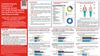 January 2025 in “SKIN The Journal of Cutaneous Medicine”
 People with alopecia areata face different healthcare access and experiences based on their race and ethnicity.
147 citations
,
November 2020 in “Journal of Internal Medicine” Age, health conditions, race, and gender affect COVID-19 risk.