27 citations
,
July 1997 in “PubMed” The harlequin ichthyosis mouse mutation causes thick skin and early death, resembling a human skin disorder.
 4 citations
,
December 2013 in “The Journal of Dermatology”
4 citations
,
December 2013 in “The Journal of Dermatology” A new mutation in the K6b gene caused a girl's late-appearing nail condition.
7 citations
,
September 2022 in “International journal of molecular sciences” The research found that the molecule lncRNA-H19 helps hair follicle cells grow by affecting certain cell pathways in cashmere goats.
Introducing the OTC gene improved symptoms in mice with OTC deficiency.
July 2025 in “Frontiers in Medicine” Mutations in the LIPH gene cause woolly hair in a child.
112 citations
,
August 2012 in “The American Journal of Human Genetics” Mutations in the RBPJ gene cause Adams-Oliver Syndrome.
56 citations
,
April 2019 in “The Plant Journal” Cyclic nucleotide-gated channels are crucial for proper root hair growth and calcium balance in plants.
2 citations
,
January 2024 in “Revista Paulista de Pediatria” A rare genetic mutation caused severe symptoms in a 6-year-old girl with mandibuloacral dysplasia type A.
 April 2016 in “Journal of Investigative Dermatology”
 Lymphoid-specific helicase (Lsh) is crucial for skin growth, change, and healing after injury.
 9 citations
,
August 2013 in “PLOS ONE”
9 citations
,
August 2013 in “PLOS ONE” Genetic variants at 20p11 increase baldness risk in Chinese Han people.
September 2017 in “Journal of Investigative Dermatology” LRIG1 protein affects hair growth by regulating skin receptors, leading to hair loss when overexpressed.
January 2026 in “Materialia” Porcine ADM scaffold helps hair growth in mice.
32 citations
,
April 2020 in “PLoS Biology” Rab5c is crucial for blood stem cell development by regulating Notch and AKT signals.
July 2026 in “Journal of Investigative Dermatology”  25 citations
,
May 1994 in “Journal of Investigative Dermatology”
25 citations
,
May 1994 in “Journal of Investigative Dermatology” Researchers found a new gene, hacl-1, that is active in mouse hair follicles during hair growth and may be important for hair biology.
 February 2026 in “Figshare”
 A new hydrogel treatment reduces inflammation and promotes hair growth in alopecia areata.
 February 2026 in “Figshare”
 A new hydrogel treatment reduces inflammation and promotes hair growth in alopecia areata.
1 citations
,
January 1989 Four antibodies were developed to help study hair follicle cell differentiation.
 25 citations
,
November 2018 in “Cell reports”
25 citations
,
November 2018 in “Cell reports” The study concluded that specific proteins are necessary to maintain the structure that holds epithelial cells tightly together.

A new easy-to-use biosensor was made to detect androgen receptor mRNA, which could help diagnose related conditions quickly.
June 2025 in “Molecular Therapy — Nucleic Acids” A new treatment using a DNA aptamer can promote hair growth by targeting a specific receptor.
October 2014 in “Cancer research” Blocking mTORC1 reduces skin tumor growth in mice.
 September 2019 in “The journal of investigative dermatology/Journal of investigative dermatology”
 Tet1/2/3 enzymes affect hair follicle cell development by influencing BMP signaling.
 2 citations
,
November 2022 in “Animal Bioscience”
2 citations
,
November 2022 in “Animal Bioscience” A specific RNA modification in cashmere goats helps activate hair growth-related stem cells.
 122 citations
,
May 2010 in “Plant Physiology”
122 citations
,
May 2010 in “Plant Physiology” Different PIN proteins affect plant root hair growth by changing how auxin is transported.
 April 2023 in “The journal of investigative dermatology/Journal of investigative dermatology”
 Removing certain immune cells in mice causes their hair to enter the growth phase earlier than usual.
 3 citations
,
November 2015 in “Endocrinology, Diabetes & Metabolism Case Reports”
3 citations
,
November 2015 in “Endocrinology, Diabetes & Metabolism Case Reports” Ring Chromosome 11 may be linked to conditions like early puberty, excessive hair growth, hair loss, and type 2 diabetes.
21 citations
,
July 2004 in “British Journal of Dermatology” HPV type 56 can hide in hair follicles even without visible warts.
44 citations
,
May 1997 in “Journal of Biological Chemistry” The human keratin 6a gene's specific sequences trigger expression in skin layers after injury.
 July 2016 in “Journal of Investigative Dermatology”
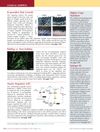
 R-spondin2 may help treat hair loss, gene differences could explain baldness, a peptide's regulation is linked to psoriasis, B-defensin gene copies may affect a skin condition's risk and severity, and potential markers and targets for alopecia areata were identified.