 January 2021 in “Journal of clinical and cosmetic dermatology”
 Human skin responds to light with protective mechanisms, but more research is needed to understand these processes and their implications for health and therapy.
3 citations
,
December 2021 in “Skin research and technology” Higher hair luminosity and shine mean higher perceived transparency.
March 2022 in “Institutional Repositories DataBase (IRDB)” October 2022 in “Zenodo (CERN European Organization for Nuclear Research)” Ignite Amazonian Sunrise Drops aimed to support weight loss with natural ingredients, but results varied.
11 citations
,
August 2022 in “Journal of Investigative Dermatology”  September 2025 in “International Journal of Innovative Technologies in Social Science”
 Red light therapy may help rejuvenate skin and regrow hair.
October 2022 in “Zenodo (CERN European Organization for Nuclear Research)” Ignite Amazonian Sunrise Drops claimed to help with weight loss and boost energy using natural Amazonian ingredients.
 October 2021 in “QJM: An International Journal of Medicine”
 Intense Pulsed Light treatments significantly improve signs of aging and sun damage on the skin.
 45 citations
,
May 2019 in “Scientific Reports”
45 citations
,
May 2019 in “Scientific Reports” Low color temperature light (1900 K) benefits health by promoting melatonin, protecting eyes, and aiding healing.
 9 citations
,
January 2018 in “Medical research archives”
9 citations
,
January 2018 in “Medical research archives” Low-intensity light therapy is effective for skin healing, reducing inflammation, and treating various skin conditions.
 March 2005 in “International Journal of Cosmetic Science”
 A new method helps understand hair shine and various products improve hair care.
Red light exposure slows aging in mice by improving fat metabolism.
 February 2026 in “Nano Research”
 A special treatment speeds up chronic wound healing by fixing cell energy issues and reversing aging in cells.
October 2022 in “Zenodo (CERN European Organization for Nuclear Research)” Ignite Amazonian Sunrise Drops may aid weight loss when combined with a keto diet and exercise.
Red light exposure slows aging in mice by improving fat metabolism.

Choose FDA-cleared red light therapy devices and follow guidelines for safe use.
11 citations
,
January 2023 in “Biophysics Reviews” Light-based bioelectronic devices improve health monitoring and disease treatment.
2 citations
,
November 2004 in “Blood” RXRa is crucial for Th2 immune cell development and may link nutrition to immune health.
 195 citations
,
January 2008 in “Photochemistry and Photobiology”
195 citations
,
January 2008 in “Photochemistry and Photobiology” Visible light can damage skin and most sunscreens don't block it well; more research is needed on its effects and protection methods.
 April 2026 in “bioRxiv (Cold Spring Harbor Laboratory)”
 Red light exposure can slow aging in mice by improving fat metabolism.
November 2025 in “Journal of Clinical Practice and Medical Research” For a natural "sun-kissed" look on dark-to-medium blonde hair, use a 2–3 level color difference, apply in three zones, and finish with acidic glossing.
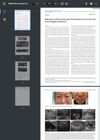 July 2022 in “Skin research and technology”
 Skin CT can help diagnose rosacea by identifying specific skin features, but should be used with clinical signs to avoid misdiagnosis.
 July 2023 in “Photodermatology, Photoimmunology and Photomedicine”
 Infrared radiation can cause skin aging and cancer at high temperatures but may have therapeutic benefits at controlled levels.
 January 2024 in “Materials chemistry frontiers (Online)”
 New near-infrared OLED emitters are more efficient, especially platinum(II) complexes, and have promising applications like hair growth treatment.
 March 2026 in “Mendeley Data”
 rwSALT provides precise hair regrowth measurement from scalp photos.
 41 citations
,
October 2024 in “Nature Communications”
41 citations
,
October 2024 in “Nature Communications” A new wearable LED device helps heal chronic infected wounds at home.
March 2026 in “Dyes and Pigments” Riboflavin and blue light speed up genipin hair dye, making it fast, glossy, stable, and eco-friendly.
22 citations
,
July 2024 in “Frontiers in Oncology” FLASH radiation reduces tissue damage more than conventional radiation.
Multiphoton microscopy is promising for skin studies but needs more research for clinical use.
 5 citations
,
December 2016 in “International journal of biometeorology”
5 citations
,
December 2016 in “International journal of biometeorology” Bright light during the day doesn't change most human clock genes but may slightly increase Rev-erb-ß.