 February 2026 in “Scientific Reports”
 The model effectively mimics radiation-induced skin damage for future research.
 January 2022 in “Clinical Cases in Dermatology”
 The document suggests a possible link between hair loss and thyroid cancer, but doesn't provide definite proof.
 61 citations
,
April 2014 in “Radiation Research”
61 citations
,
April 2014 in “Radiation Research” RTA 408 cream protects mice from radiation skin damage.
36 citations
,
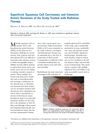
April 2005 in “British journal of dermatology/British journal of dermatology, Supplement” Radiation therapy is an effective treatment for severe scalp cellulitis with mild side effects and no long-term complications.
 7 citations
,
May 2010 in “British Journal of Dermatology”
7 citations
,
May 2010 in “British Journal of Dermatology” Women treated with X-ray for scalp fungus as children had a higher chance of hair loss, especially with higher radiation doses and severe fungus infections.
 July 2026 in “Open Science Framework”
 Radiation can cause hair loss, and better prevention and treatment methods are needed.
 18 citations
,
July 2014 in “Molecular Medicine Reports”
18 citations
,
July 2014 in “Molecular Medicine Reports” UVB radiation changes the levels of certain microRNAs in skin cells, which may affect cell survival and hair growth.
19 citations
,
November 2015 in “Radiation Oncology” Hippocampus sparing whole brain radiation therapy prevents hair loss and preserves cognitive function.
 26 citations
,
November 2016 in “European Journal of Clinical Pharmacology”
26 citations
,
November 2016 in “European Journal of Clinical Pharmacology” Valproic acid helps delay hair loss and increases survival time for high-grade glioma patients undergoing radiation therapy.
 5 citations
,
October 2020 in “Journal of radiation research”
5 citations
,
October 2020 in “Journal of radiation research” Vesicles from irradiated mouse cheek skin help cells survive radiation.
Activating certain hair follicle cells could prevent hair loss from cancer treatments.
November 2025 in “Journal of Investigative Dermatology” Radiation-induced hair loss may be caused by hair growth stopping and inflammation in blood vessels.
January 2017 in “Elsevier eBooks” Radiation therapy for cancer often causes skin problems like redness, dryness, and pain.
September 2017 in “The journal of investigative dermatology/Journal of investigative dermatology” Higher SPF sunscreens provide more DNA protection, and the form of sunscreen doesn't affect protection level.
 5 citations
,
May 2006 in “Dermatologic Surgery”
5 citations
,
May 2006 in “Dermatologic Surgery” Radiation therapy successfully treated an elderly man's skin cancer and pre-cancerous scalp lesions.
 4 citations
,
August 2022 in “International Journal of Molecular Sciences”
4 citations
,
August 2022 in “International Journal of Molecular Sciences” Human foreskin does not show aging or reduced cell growth after radiation, and H2A.J is not a good marker for radiation-induced aging.
 4 citations
,
April 2011 in “International Journal of Radiation Biology”
4 citations
,
April 2011 in “International Journal of Radiation Biology” Radiation significantly slows down wound healing in mice.
1 citations
,
March 2024 in “International journal of molecular sciences” Radiation therapy damages skin structure and immune function, causing inflammation and potential hair loss.
 May 2006 in “Dermatologic Surgery”
 Radiation therapy successfully treated an elderly man's skin cancer and pre-cancerous scalp lesions.
 53 citations
,
January 2009 in “Journal of Investigative Dermatology”
53 citations
,
January 2009 in “Journal of Investigative Dermatology” UVB radiation harms hair growth and health, causing cell death and other changes in human hair follicles.
 30 citations
,
April 2013 in “Journal of Investigative Dermatology”
30 citations
,
April 2013 in “Journal of Investigative Dermatology” Radiation mainly affects keratinocyte stem cells, not melanocyte stem cells, causing hair to gray.
 9 citations
,
October 2014 in “Clinical and Experimental Dermatology”
9 citations
,
October 2014 in “Clinical and Experimental Dermatology” Temporary hair loss can occur after brain AVM treatment but usually regrows in 8 weeks.
5 citations
,
July 2022 in “Radiation Research” The mouse model helps study and develop treatments for radiation-induced saliva reduction.
38 citations
,
September 2017 in “Cancer Research” Boosting certain cell signals can prevent hair loss from cancer treatments.
12 citations
,
January 2014 in “Journal of X-Ray Science and Technology” Using 100–300 keV X-ray energy is best for treating deep-seated tumors with microplanar beam radiation therapy.
 31 citations
,
February 2019 in “International Journal of Cosmetic Science”
31 citations
,
February 2019 in “International Journal of Cosmetic Science” Caffeine applied to the scalp can protect hair follicles from UV damage.
 December 2025 in “Journal of Advanced Biotechnology and Experimental Therapeutics”
 Mesenchymal stem cells may help reduce melanin in UV-exposed mice.
 April 2019 in “Journal of Investigative Dermatology”
 Caffeine can protect scalp hair follicles from damage caused by UV radiation.
 30 citations
,
August 2016 in “Advances in radiation oncology”
30 citations
,
August 2016 in “Advances in radiation oncology” Researchers developed a mouse model that successfully mimics the bladder damage seen in humans after radiation therapy.
 February 2023 in “International Journal of Multimedia Computing”
 The improved algorithm enhances low-dose CT image quality significantly better than other methods.