Search
for
Sort by
Research
330-360 / 1000+ resultsresearch C-2-3 GND-VIAを用いたX帯SiGe-MMIC増幅器(C-2. マイクロ波A(能動デバイス), エレクトロニクス1)
Cancer prevention has advanced significantly, with some strategies proving successful.
research Safety and efficacy of low-dose metronomic cyclophosphamide plus vinorelbine in patients with metastatic breast cancer previously treated with anthracyclines and taxanes.
The treatment is safe and shows promise for metastatic breast cancer.
research Doxil (Caelyx): an exploratory study with pharmacokinetics in patients with hormone-refractory prostate cancer
Doxil showed some effectiveness against advanced prostate cancer but caused severe side effects at higher doses.
research Non‐myeloablative stem cell transplants
Non-myeloablative stem cell transplants are a promising, less toxic option for older or weaker patients, with fewer side effects and good outcomes.
research Effect of Nutritional Teaching Program on Clinical Outcomes for Breast Cancer Patients Undergoing Chemotherapy
Nutritional education reduces chemotherapy side effects and improves health in breast cancer patients.
research Berbagai Tindakan Orang Tua dalam Mengatasi Efek Samping Kemoterapi pada Anak Leukemia di RSUD Dr. Moewardi Surakarta
Parents manage chemotherapy side effects in children with leukemia using remedies, medication, rest, and dietary adjustments.
research Side effects of CHOP in the treatment of non-Hodgkin's lymphoma
CHOP chemotherapy for non-Hodgkin's lymphoma commonly causes hair loss, fatigue, taste changes, and nausea.
research 画像解析による抗がん剤脱毛頭皮の形態構造の検証
Scalp texture changes during hair regrowth after chemotherapy.
research Alopecia and Hair Damage Induced by Oncological Therapy
Cancer treatments often cause hair loss and damage, affecting patients' mental health.
research Permanent scalp alopecia related to breast cancer chemotherapy by sequential fluorouracil/epirubicin/cyclophosphamide (FEC) and docetaxel: a prospective study of 20 patients
Some breast cancer chemotherapy can cause permanent hair loss.
research Cedrol restricts the growth of colorectal cancer in vitro and in vivo by inducing cell cycle arrest and caspase-dependent apoptotic cell death
Cedrol may be an effective treatment for colorectal cancer.
research Mild oxidative stress protects against chemotherapy-induced hair loss
Mild oxidative stress can prevent hair loss from chemotherapy.
research Chemotherapy-Induced Hair Loss: The Use of Biomarkers for Predicting Alopecic Severity and Treatment Efficacy
Scalp cooling to prevent hair loss from chemotherapy works for some but not all, and studying hair damage markers could improve prevention and treatment.
research Preclinical Challenges in Proton Minibeam Radiotherapy: Physics and Biomedical Aspects
Proton minibeam radiotherapy shows promise for sparing healthy tissue in cancer treatment but needs further research and technological development.
research About radiotherapy--Part II. Side effects and staff protection.
Radiotherapy can cause various side effects, but symptoms improve after treatment, and staff protection is crucial.
research America - A Diversity of Life Styles.
The drug showed promise in treating renal cell carcinoma with manageable side effects.

research RADIATION-INDUCED ALOPECIA: A SYSTEMATIC REVIEW OF INCIDENCE, RISK FACTORS, PREVENTION, AND MANAGEMENT
Radiation can cause hair loss, and better prevention and treatment methods are needed.
research S87 Image guided radiotherapy (IGRT) in stage III prostate cancer: analysis of acute toxicity
IGRT resulted in lower acute toxicity for stage III prostate cancer patients.
research Supplementary Figures, Tables and Legends from Mobilizing Transit-Amplifying Cell-Derived Ectopic Progenitors Prevents Hair Loss from Chemotherapy or Radiation Therapy
Boosting certain cell signals can prevent hair loss from chemotherapy and radiation.
research Chemoprävention des Prostatakarzinoms - Ein Plädoyer
Chemoprevention, using drugs like finasteride and dutasteride, can help prevent prostate cancer.
research Gemcitabine combined with either pemetrexed or paclitaxel in the treatment of advanced non-small cell lung cancer
Combining gemcitabine with paclitaxel is more effective than with pemetrexed for advanced lung cancer.

research Single‐cell transcriptomics reveals a senescence‐associated IL ‐6/ CCR6 axis driving radiodermatitis
Blocking certain immune signals can reduce skin damage from radiation therapy.
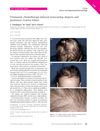
research Permanent chemotherapy-induced nonscarring alopecia and premature ovarian failure
Chemotherapy caused a woman's permanent hair loss and early menopause.
research Evaluating Disparities in Counseling and Resources for Chemotherapy-Induced Hair Loss: Qualitative Analysis of a Survey-Based Approach
Patients need better counseling and resources for managing chemotherapy-induced hair loss.
research Referee report. For: Drug utilization pattern and adverse drug reactions of chemotherapy in pediatric patients at Muhimbili National Hospital, Tanzania [version 1; peer review: 1 approved, 1 approved with reservations]
Most pediatric cancer patients at Muhimbili National Hospital experienced adverse drug reactions during chemotherapy, highlighting the need for careful monitoring.
research Treatment for chemotherapy‐induced alopecia in mice using parathyroid hormone agonists and antagonists linked to a collagen binding domain
PTH-CBD agonists may help regrow hair after chemotherapy.
research Alopecia in oncology: the practical significance of fundamental research
Chemotherapy often causes hair loss in cancer patients, affecting their mental health, but scalp cooling can help prevent it.

research IMMUNOTHERAPY OF CANCER: IMMUNE CHECKPOINT BLOCKERS, VACCINES AND ADOPTIVE T CELL THERAPIES
Enhancing immune response can improve cancer treatment effectiveness.
research Determination of the Factors Affecting the Frequency and of Chemotherapy- Induced Alopecia and Methods of Coping with Alopecia
Most women undergoing chemotherapy experience hair loss, and many cope by using wigs or bonnets.