 82 citations
,
December 2015 in “Nanomedicine”
82 citations
,
December 2015 in “Nanomedicine” Nanoparticle systems make cancer treatment less toxic.
July 2024 in “Journal of Investigative Dermatology” INTASYL is a promising, adaptable RNAi technology for treating skin cancers.
 2 citations
,
July 2007 in “Cancer biology & therapy”
2 citations
,
July 2007 in “Cancer biology & therapy” Bexxar is highly effective as a first treatment for non-Hodgkin's lymphoma, with most patients alive and many in remission after eight years.
16 citations
,
September 1999 in “Journal of Investigative Dermatology Symposium Proceedings” 21 citations
,
October 2017 in “Cell death and disease” Sesn2 protects inner ear hair cells from damage by regulating certain cell survival pathways.
87 citations
,
January 1996 in “Journal of cellular biochemistry” Over 30 potential cancer prevention treatments are being tested, with some showing promise in early research.
4 citations
,
October 2013 in “PLoS ONE” Vemurafenib causes significant skin side effects, requiring regular dermatologist care and sun protection.
22 citations
,
May 2011 in “European Journal of Cancer” The drug combination was safe and showed promise in treating advanced tumors.
June 2015 in “OhioLink ETD Center (Ohio Library and Information Network)” UVB exposure affects retinoid metabolism, which is important for skin cancer progression and treatment.
 9 citations
,
March 1968 in “The BMJ”
9 citations
,
March 1968 in “The BMJ” A woman's severe skin reaction was caused by an allergy to a skin treatment.
September 2015 in “Photodiagnosis and Photodynamic Therapy” 1 citations
,
January 2010 in “Biophysical journal” Hair fluorescence intensity can measure radiation exposure effectively.
21 citations
,
April 2008 in “Toxicologic Pathology” CI-1033 causes skin lesions in rats, similar to humans, due to EGF receptor inhibition.
 4 citations
,
April 2011 in “International Journal of Radiation Biology”
4 citations
,
April 2011 in “International Journal of Radiation Biology” Radiation significantly slows down wound healing in mice.
24 citations
,
January 2023 in “Cancer Research” AMPK activation may reduce melanoma risk in red-haired individuals.
91 citations
,
April 2006 in “PubMed” EGFR-targeting cancer drugs can cause skin rashes and other side effects.
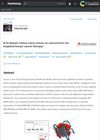 January 2025 in “Nanoscale”
 Boron/nitrogen-doped carbon nano-onions improve targeted breast cancer treatment by enhancing drug delivery and reducing side effects.
1 citations
,
May 2017 in “Journal of cosmetic and laser therapy” Lasers can help reduce skin side effects from cancer treatment.
148 citations
,
May 2008 in “The journal of investigative dermatology/Journal of investigative dermatology” Mice without the vitamin D receptor are more prone to UV-induced skin tumors.
28 citations
,
January 2005 in “Photochemistry and Photobiology” Protein kinase C epsilon may increase skin cancer risk by affecting nearby cells.
January 2026 in “Materials Today Bio” The hydrogel speeds up diabetic wound healing by reducing inflammation and promoting skin repair.
May 2010 in “Europe PMC (PubMed Central)” Near-infrared probes can safely and effectively image cysteine protease activity for disease diagnosis.
 88 citations
,
July 2014 in “Journal of the American Academy of Dermatology”
88 citations
,
July 2014 in “Journal of the American Academy of Dermatology” Targeted cancer therapies often cause skin reactions, so dermatologists must manage these effects.
 1 citations
,
January 2019 in “Journal of Nuclear Technologyin Applied Science (JNTAS) (Print)”
1 citations
,
January 2019 in “Journal of Nuclear Technologyin Applied Science (JNTAS) (Print)” Low-level laser therapy speeds up skin healing and stimulates hair follicles in mice after radiation exposure.
1 citations
,
November 2025 in “Neuro-Oncology” Safusidenib erbumine shows promise as a treatment for certain brain tumors, but mild side effects like hair loss need attention.
3 citations
,
January 2005 in “Photochemistry and Photobiology” Protein kinase C epsilon may promote skin cancer development after UV exposure by affecting nearby cells.
 February 2023 in “International journal of research - granthaalayah”
 The new microscope method helps study energy from pre-cancerous skin cells.
April 2022 in “Book Publisher International (a part of SCIENCEDOMAIN International)” Catalase in processed meats may emit electromagnetic fields that increase cancer risk.
19 citations
,
November 2015 in “Radiation Oncology” Hippocampus sparing whole brain radiation therapy prevents hair loss and preserves cognitive function.
March 2015 in “Oncology Times” Extending androgen suppression before radiotherapy offers no extra survival benefit for intermediate-risk prostate cancer.