January 2026 in “Biomolecules” TSC22D genes are key in metabolic diseases and cancer, offering potential as treatment targets.
1 citations
,
March 2024 in “Life” Dermoscopy can help assess the severity of chronic radiation-induced skin damage in head and neck cancer patients.
 July 2020 in “bioRxiv (Cold Spring Harbor Laboratory)”
 The structure of SRD5A reveals how it reduces steroids, aiding drug design for related health conditions.
More research is needed to confirm the long-term effects of oral drugs for chronic central serous chorioretinopathy.
1 citations
,
March 2026 in “Scientific Reports” Intradiscal platelet-rich plasma injections can safely reduce discogenic low back pain symptoms.
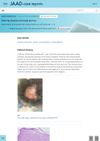 November 2022 in “JAAD case reports”
 The text talks about a rare skin condition causing hair loss and suggests that people with this should also check their lung and heart health.
 1 citations
,
January 2019 in “Journal of Embryology & Stem Cell Research”
1 citations
,
January 2019 in “Journal of Embryology & Stem Cell Research” MSCs help rejuvenate skin by promoting cell growth and reducing inflammation.
 341 citations
,
November 2009 in “The FASEB Journal”
341 citations
,
November 2009 in “The FASEB Journal” Calreticulin has roles in healing, immune response, and disease beyond its known functions in the endoplasmic reticulum.
2 citations
,
July 2024 in “International Journal of Molecular Sciences” Csdc2 helps hair growth in cashmere goats by regulating specific genes.
July 2024 in “Journal of Investigative Dermatology” A new test helps find drugs to treat head and neck cancer by targeting c-Rel.
February 2024 in “Cancers” New treatments targeting androgen receptors show promise for drug-resistant prostate cancer.
 9 citations
,
December 2020 in “International Journal of Medical Sciences”
9 citations
,
December 2020 in “International Journal of Medical Sciences” iPSCs help understand and treat neurodevelopmental disorders.
35 citations
,
October 2014 in “Wound Repair and Regeneration” The model helps understand scar contraction and develop new treatments.
Children with Parry Romberg Syndrome had successful facial fat-grafting surgeries after disease stabilization with no complications.
People with Down syndrome have a higher risk of skin disorders and need better screening and treatment.
10 citations
,
January 2023 in “Journal of Orthopaedic Surgery and Research” Panax notoginseng saponins with stem cells improve healing and reduce inflammation in diabetic ulcers.
39 citations
,
April 2023 in “Science Advances” CD34+ cells help heal damaged limbs by promoting blood vessel growth.
2 citations
,
July 2024 in “International Journal of Molecular Sciences” More research is needed to understand how adipose-derived stem cells affect liver cancer treatment.
6 citations
,
August 2020 in “Cell regeneration” Hair follicle stem cells are similar to bone marrow stem cells but are better for fat cell research.
 September 2023 in “International Journal of Trichology”
 Adipose-derived stem cells may help with hair loss, but more research is needed.
December 2018 in “Dermatologic Surgery”  13 citations
,
October 2020 in “Journal of Neural Transmission”
13 citations
,
October 2020 in “Journal of Neural Transmission” CD34-positive cells help repair and form new blood vessels in salivary glands after radiation.
 13 citations
,
December 2012 in “Cells”
13 citations
,
December 2012 in “Cells” Targeting the actin cytoskeleton could improve skin healing and reduce scarring.
January 2026 in “Nature Reviews Urology”  43 citations
,
February 2019 in “International immunology”
43 citations
,
February 2019 in “International immunology” Special immune cells called Regulatory T cells help control skin inflammation and repair in various skin diseases.
3 citations
,
February 2023 in “Journal of Investigative Dermatology” Ch55 may help reduce skin scarring and fibrosis.
4 citations
,
January 2016 in “Methods in molecular biology” Hair follicle stem cells can become nerve cells using specific treatments.
33 citations
,
December 2015 in “International Journal of Molecular Sciences” Melanocyte stem cells are crucial for skin pigmentation and have potential in disease modeling and regenerative medicine.
 October 2023 in “Psychiatry research. Case reports”
 A new HRAS gene variant may cause a range of symptoms including intellectual disability and psychiatric issues.
 March 2014 in “Journal of The American Academy of Dermatology”
 Reflectance confocal microscopy can noninvasively diagnose onychomatricoma by showing unique features different from healthy nails or nail fungus.