April 2026 in “Journal of Cutaneous Pathology” Alopecia can be caused by multicentric reticulohistiocytosis.
 27 citations
,
October 2001 in “Journal of Medicinal Chemistry”
27 citations
,
October 2001 in “Journal of Medicinal Chemistry” Researchers found new potential but less potent rat enzyme inhibitors using a 3D model.
2 citations
,
July 2021 in “Genes” A specific genetic change in the KRT71 gene causes a hair loss condition in Hereford cattle.
13 citations
,
March 1983 in “International Journal of Dermatology” Minoxidil caused red hair to grow on a man's temples.
 4 citations
,
January 2018 in “International Journal of Trichology”
4 citations
,
January 2018 in “International Journal of Trichology” A rare genetic disease causes sparse hair and early blindness due to a gene mutation.
53 citations
,
March 2006 in “Biopolymers” TTD hair is brittle due to fewer sulfur amino acids and unstable disulfide bonds.
 1 citations
,
March 2026 in “American Journal of Clinical Dermatology”
1 citations
,
March 2026 in “American Journal of Clinical Dermatology” Ritlecitinib effectively regrows hair in severe alopecia areata, especially in adolescents.
24 citations
,
July 1994 in “Journal of Investigative Dermatology” 169 citations
,
June 1998 in “Journal of Investigative Dermatology” Male pattern baldness is likely caused by multiple genes, not just 5α-reductase genes.
January 2026 in “Dermatologic Therapy” Ritlecitinib is effective and safe for treating severe alopecia areata, showing significant hair regrowth and improved mental health.
 1 citations
,
April 2017 in “Journal of Investigative Dermatology”
1 citations
,
April 2017 in “Journal of Investigative Dermatology” CCL5 is important for the hair growth potential of human dermal papilla cells.
 9 citations
,
January 2018 in “Plastic and Reconstructive Surgery – Global Open”
9 citations
,
January 2018 in “Plastic and Reconstructive Surgery – Global Open” Using PDRN injections and RF treatments improved revision nose surgery results without major side effects.
 17 citations
,
February 2019 in “Journal of steroid biochemistry and molecular biology/The Journal of steroid biochemistry and molecular biology”
17 citations
,
February 2019 in “Journal of steroid biochemistry and molecular biology/The Journal of steroid biochemistry and molecular biology” AKR1D1 controls glucocorticoid levels and receptor activity in liver cells.
 May 2021 in “The FASEB Journal”
 The research gives new understanding on how human steroid 5α-reductases work and how drugs like finasteride inhibit them, which could help in creating new drugs.
 January 2026 in “Clinical Chemistry and Laboratory Medicine (CCLM)”
 The procedure accurately measures 5-alpha-dihydrotestosterone in blood, useful for standard tests.
 April 2017 in “Journal of Investigative Dermatology”
 SB414 may be an effective treatment for atopic dermatitis by reducing swelling and bacterial infection.
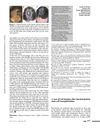 May 2018 in “European Journal of Dermatology”
 Adjusting the medication tacrolimus resolved a boy's red nail beds after a stem cell transplant.
10 citations
,
August 1998 in “Journal of Investigative Dermatology” 15 citations
,
October 2012 in “Journal of child neurology” The same genetic mutation in Sjögren-Larsson syndrome can lead to different levels of severity, suggesting other factors influence the symptoms.
6 citations
,
October 2023 in “JAAD Case Reports” Risankizumab may help manage symptoms of dissecting cellulitis of the scalp.
 2 citations
,
January 2013 in “International Journal of Dermatology”
2 citations
,
January 2013 in “International Journal of Dermatology” ALDOA levels drop in hair cells during hair loss.
 13 citations
,
October 2017 in “Bioorganic & Medicinal Chemistry”
13 citations
,
October 2017 in “Bioorganic & Medicinal Chemistry” Optimizing the structure of a specific compound greatly improved its effectiveness and precision for treating diabetic complications.
 9 citations
,
July 2022 in “EMBO molecular medicine”
9 citations
,
July 2022 in “EMBO molecular medicine” Blocking certain immune signals can reduce skin damage from radiation therapy.
May 2025 in “CPT Pharmacometrics & Systems Pharmacology” A 50 mg non-loading dose of ritlecitinib is safe for adults and adolescents.
 June 2025 in “Biomolecules”
 RORA affects hair follicle stem cells' structure and movement, potentially helping treat hair loss.
 3 citations
,
July 2021 in “Drug Testing and Analysis”
3 citations
,
July 2021 in “Drug Testing and Analysis” 5α-reductase inhibitors can interfere with doping tests by masking banned substances.
January 2019 in “11th World congress for hair research”  November 2024 in “SKIN The Journal of Cutaneous Medicine”
 Ritlecitinib provides new treatment options for diverse alopecia areata patients.
23 citations
,
October 2024 in “British Journal of Dermatology” Ritlecitinib effectively treats alopecia areata and is safe for long-term use in people 12 and older.
November 2025 in “SKIN The Journal of Cutaneous Medicine” Ritlecitinib is generally safe for adolescents with alopecia areata over 5 years.