Search
for
Sort by
Research
570-600 / 1000+ resultsresearch Rationale and design of the GLADE study: a randomized, multicenter, double-blind, placebo-controlled trial evaluating the safety and efficacy of gestrinone subdermal bioabsorbable pellet in endometriosis-related pelvic pain
Gestrinone pellets may help reduce pelvic pain in endometriosis safely.
research Patient Considerations when Using Ritlecitinib for Alopecia Areata in Adolescents: Guidance for the Clinicians
Clinicians should consider individual factors and communicate risks and benefits when prescribing ritlecitinib for adolescent alopecia areata.
research Teriflunomide: a novel oral treatment for relapsing multiple sclerosis
Teriflunomide is an effective and safe first-line oral treatment for relapsing multiple sclerosis.

research Drug-associated insomnia: A pharmacovigilance study based on FDA adverse event reporting system
Certain medications, especially nervous system drugs, can cause insomnia, with risks varying by age and gender.
research Isolation rearing-induced reduction of brain 5α-reductase expression: Relevance to dopaminergic impairments
Isolation stress in rats reduces brain enzyme levels, affecting dopamine function.
research Prostaglandin E2 prevents radiotherapy-induced alopecia by attenuating transit amplifying cell apoptosis through promoting G1 arrest
Prostaglandin E2 helps prevent hair loss from radiotherapy by protecting hair cells.

research Refractory/relapse thrombocytopenia in a patient with Evans' syndrome successfully treated with zanubrutinib
A girl with Evans' syndrome had her low platelet count successfully treated with zanubrutinib.
research Pulmonary Hemodynamics in Systemic Hypertension
Minoxidil lowers blood pressure without worsening lung pressure but can cause increased hair growth.
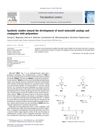
research Synthetic studies toward the development of novel minoxidil analogs and conjugates with polyamines
New minoxidil compounds with better water solubility were made, but their full effects and safety need more research.
research P273 : Recalcitrant alopecia areata improved with intralesional polydeoxyribonucleotide injection: two case reports
Two patients with stubborn hair loss grew hair after PDRN injections.
research Ultra-low dose estradiol and dydrogesterone for the treatment of menopausal symptoms in a pooled, multi-ethnic population
The treatment effectively reduces menopausal symptoms and is well tolerated.
research Neonatal allopregnanolone or finasteride administration modifies hippocampal K+ Cl− co-transporter expression during early development in male rats
Allopregnanolone increases KCC2 expression in baby male rats' brains, while finasteride doesn't affect it.
research Minoxidil-Related Pericarditis
Minoxidil can cause heart inflammation, so users should be monitored.
research Study of the interaction between self-assembling peptide and mangiferin and in vitro release of mangiferin from in situ hydrogel
RADA16-I can effectively deliver and release mangiferin, improving its solubility and bioavailability.
research Intermittent Low-dose Ritlecitinib in Refractory Paediatric Alopecia Areata: A Case Report with Therapeutic Implications
Low-dose Ritlecitinib may help children with stubborn Alopecia Areata.

research Minoxidil ameliorates myelodysplastic syndrome by targeting Wnt4 while sparing normal hematopoiesis
Minoxidil may help treat myelodysplastic syndrome without harming normal blood cell production.
research High-performance liquid chromatographic determination of the enantiomers of the benzoquinolinone LY 191704, a human type 1 5α-reductase inhibitor, in plasma
Researchers developed a method to measure different forms of a drug that could help treat prostate issues and hair loss, and found how these forms behave in animals.
research CUTANEOUS SIDE-EFFECTS OF BETA-ADRENERGIC BLOCKERS
Beta-blockers can cause rare skin side-effects, which usually improve after stopping the medication.
research A frameshift mutation in HTRA1 expands CARASIL syndrome and peripheral small arterial disease to the Chinese population
A new genetic mutation linked to CARASIL syndrome and small artery disease was found in a Chinese family.
research Novel 5α-Reductase Inhibitors: Synthesis, Structure−Activity Studies, and Pharmacokinetic Profile of Phenoxybenzoylphenyl Acetic Acids
A brominated phenoxy compound effectively inhibits a human enzyme and shows potential for clinical use.

research Efficacy and safety evaluations of topical proretinal nanoparticles
Proretinal nanoparticles are a safe and effective way to deliver retinal to the skin.
research (PNM-35) Recurrent priapism in a sickle cell disease patient treated with gonadotropin-releasing hormone (GnRH) agonists drugs: a case report
GnRH agonists can help manage recurrent priapism in sickle cell patients, but long-term safety is unclear.
research Minoxidil induced central serous Chorioretinopathy treated with oral Eplerenone – a case report
Minoxidil can cause a rare eye condition, but it was successfully treated with oral Eplerenone in one case.
research Prefrontal 5α-reductase 2 mediates male-specific acute stress response
5α-reductase 2 is crucial for stress response in male rats.
research PD49-03 IS TADALAFIL ASSOCIATED WITH DECREASED RISK OF MAJOR ADVERSE CARDIAC EVENTS OR VENOUS THROMBOEMBOLISM IN MEN WITH LOWER URINARY TRACT SYMPTOMS?
Tadalafil may reduce the risk of major heart events and blood clots in men with urinary symptoms.
research The Bis(1,2,3,4-tetrahydroisoquinoline) Alkaloids Cepharanthine and Berbamine Are Ligands of SK Channels
Cepharanthine and berbamine may affect SK channels, influencing their therapeutic effects.
research Sigma 1 receptor-related neuroactive steroids modulate cocaine-induced reward.
Neuroactive steroids affect cocaine's rewarding effects through the sigma1 receptor.

research Analysing efficacy of low-dose oral minoxidil, topical minoxidil, and platelet-rich plasma with topical minoxidil combination in patients with androgenetic alopecia: a randomized controlled observer blinded trial
Combining PRP with topical minoxidil is most effective for hair growth in androgenetic alopecia.

research PROTAC Degraders of Androgen Receptor‐Integrated Dissolving Microneedles for Androgenetic Alopecia and Recrudescence Treatment via Single Topical Administration
A new hair loss treatment using dissolving microneedles was found to speed up hair growth and was more effective than daily use of common hair growth drugs.