June 2026 in “International Journal of Homoeopathic Sciences” An 11-year-old girl regrew all her hair and stopped pulling it out after homeopathic treatment.
March 2016 in “Actas dermo-sifiliográficas/Actas dermo-sifiliográficas” Stopping the use of a tight headband and using specific treatments led to partial hair regrowth.
January 2021 in “CRC Press eBooks” Hair loss can have various causes and treatments vary in effectiveness.
1 citations
,
January 2016 in “Dermatology Online Journal” Triangular temporal alopecia can occur in adults and should be correctly identified to prevent misdiagnosis.
 January 2019 in “Elsevier eBooks”
 Different hair disorders have specific treatments and outcomes, with some resolving on their own and others requiring medication or emotional support.
 November 2009 in “Actas dermo-sifiliográficas/Actas dermo-sifiliográficas”
 Hair transplantation effectively treated a bald patch in an 18-year-old woman with Temporal Triangular Alopecia.
 January 1991 in “Journal of Pediatric Health Care”
 Hair loss in children can be caused by fungal infections, trauma, autoimmune disorders, or stress, and treatments vary depending on the cause.
January 2026 in “Updates in clinical dermatology” 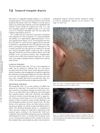 April 2012 in “Informa Healthcare eBooks”
 Temporal triangular alopecia is a lifelong condition with hairless patches on the side of the head that may be present from birth.
research Hair
May 2024 in “Australasian Journal of Dermatology” Alopecia areata causes significant emotional and social challenges, especially with more hair loss.
 January 2018 in “Springer eBooks”
 Congenital triangular alopecia is a harmless, non-spreading hair loss condition often seen in young children.
 6 citations
,
May 1993 in “Archives of Disease in Childhood”
6 citations
,
May 1993 in “Archives of Disease in Childhood” Children's hair loss can be caused by many factors, including autoimmune diseases, emotional stress, genetics, and infections, with treatment and prognosis varying.
Ritlecitinib is a new treatment for severe hair loss in people 12 and older.
August 2023 in “Portuguese journal of dermatology and venereology” Changing hairstyles can prevent hair loss caused by tension.
 30 citations
,
November 1996 in “Archives of Dermatology”
30 citations
,
November 1996 in “Archives of Dermatology” UV rays can cause a type of hair loss known as telogen alopecia.
 October 2025 in “Zenodo (CERN European Organization for Nuclear Research)”
 Ritlecitinib may help young adults with severe alopecia areata when ketoconazole fails.
January 2026 in “Updates in clinical dermatology” 1 citations
,
August 2005 in “Springer eBooks” Alopecia areata is an autoimmune disease with genetic links, treatable with certain medications, and can affect mental health.
January 2023 in “Indian Dermatology Online Journal” A 23-year-old man has a benign, non-progressive hair loss patch that doesn't respond to treatment but can be cosmetically treated.
 October 2025 in “Zenodo (CERN European Organization for Nuclear Research)”
 Ritlecitinib may help young adults with severe alopecia areata when ketoconazole doesn't work.
May 2022 in “British Journal of Dermatology” The girl's hair condition improved on its own in 24 months.
 April 2020 in “International journal of research in dermatology”
 An 8-year-old girl has a rare, irreversible hair loss condition caused by a genetic mutation.
June 2026 in “Journal of Clinical Practice and Medical Case Report.” Trichotillomania can mimic alopecia areata, requiring careful diagnosis and consideration of psychosocial factors in treatment.
October 1966 in “Archives of Dermatology” A 19-year-old female with alopecia universalis experienced total hair loss, and previous treatments were ineffective.
September 2014 in “Journal of the American Academy of Dermatology” The girl likely has Loose anagen hair syndrome, which may improve on its own or with minoxidil.
December 2021 in “IP Indian journal of clinical and experimental dermatology” PRP therapy significantly improved hair growth in a girl with chronic alopecia areata.
 January 2025 in “TURKDERM”
 Alopecia areata incognito in children can be effectively treated with triamcinolone acetonide and supplements, leading to full hair regrowth.
PRP injections can effectively and safely treat alopecia areata.
 May 2014 in “JAMA Dermatology”
 Mother and son diagnosed with a rare genetic hair loss condition with no effective treatment.
 17 citations
,
March 2011 in “Pediatric Dermatology”
17 citations
,
March 2011 in “Pediatric Dermatology” Two Sikh brothers developed permanent hair loss from wearing turbans tightly, a condition that became apparent after they moved to Austria.