September 1998 in “JEADV. Journal of the European Academy of Dermatology and Venereology/Journal of the European Academy of Dermatology and Venereology” Intermittent isotretinoin can cause various skin, hair, and nail changes.
December 2025 in “International Journal of Innovative Technologies in Social Science” Oral supplements like Vitamin E and Omega-3 can help reduce isotretinoin side effects.
148 citations
,
May 2008 in “The journal of investigative dermatology/Journal of investigative dermatology” Mice without the vitamin D receptor are more prone to UV-induced skin tumors.
16 citations
,
August 1989 in “PubMed” Retinol and L-cystine improve diffuse hair loss without side effects.
 July 2003 in “Pediatrics in review”
 In 2001, the FDA approved 12 new drugs for children to treat allergies, asthma, ADHD, birth control, and other conditions.
Heated radish extract may help lighten skin and reduce aging signs.
 6 citations
,
April 2022 in “Biomedicine & pharmacotherapy”
6 citations
,
April 2022 in “Biomedicine & pharmacotherapy” Using three different drugs together may better treat eye diseases like glaucoma and macular degeneration.
 April 1992 in “Current opinion in therapeutic patents”
 New steroids were patented as effective for treating acne, hair loss, and other conditions related to hormones.
37 citations
,
January 1986 in “Carcinogenesis” ODC expression in mouse skin and tumors is varied and can be inhibited by retinoic acid or cycloheximide.
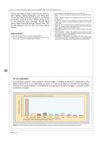
The document corrects a mistake by stating that pimecrolimus, not tacrolimus, is the drug that concentrates in the skin.
 January 2026 in “Zenodo (CERN European Organization for Nuclear Research)”
 LX-38 is a safer drug option for treating prostate issues and hair loss without hormonal side effects.
October 2021 in “DOAJ (DOAJ: Directory of Open Access Journals)” High retinol intake may worsen hair loss in alopecia areata.
37 citations
,
August 2011 in “Journal of Bone and Mineral Research” A girl had rickets due to a gene mutation affecting vitamin D response.
1 citations
,
January 2007 in “Side effects of drugs annual” Dermatological treatments can have significant side effects, including allergic reactions, sexual dysfunction, and increased cancer risk.
10 citations
,
January 2014 in “Journal of Pediatric Endocrinology and Metabolism” Three new gene mutations cause rickets and hair loss, treatable with high calcium and calcidol, but hair regrowth is rare.
June 2014 in “Reactions Weekly” January 2014 in “Reactions Weekly” May 2026 in “Reactions Weekly” April 2026 in “Reactions Weekly” December 2024 in “Reactions Weekly” November 2014 in “Reactions Weekly” July 2014 in “Reactions Weekly” August 2013 in “Reactions Weekly” January 2013 in “Reactions Weekly” December 2012 in “Reactions Weekly” August 2012 in “Reactions Weekly” March 2012 in “Reactions Weekly” August 2011 in “Reactions Weekly” May 2011 in “Reactions Weekly” April 2011 in “Reactions Weekly”