 December 2022 in “Acta Ophthalmologica”
 Dutasteride potentially improves cell survival and reduces retinal damage in retinitis pigmentosa.
 September 2017 in “Journal of Investigative Dermatology”
 Mackerel fermented fish oil protects skin cells from damage by UVB light.
March 2021 in “Medico-Legal Update” The androgen receptor gene doesn't affect women with recurrent spontaneous abortions, but having a mutant genotype might protect against it.
 April 2021 in “Anatolian current medical journal :”
 A patient developed hair loss after hepatitis C treatment with sofosbuvir and ribavirin.
5 citations
,
August 2021 in “Journal of biological chemistry/The Journal of biological chemistry” Retinoic acid affects male and female muscle energy use and function differently.
September 2025 in “Global Journal of Pharmacy & Pharmaceutical Sciences” PDRN from salmon sperm DNA can improve skin health and appearance.
100 citations
,
August 2011 in “Journal of Investigative Dermatology” Lack of vitamin D receptor increases skin tumor risk by boosting hedgehog signaling.
1 citations
,
January 2019 in “British Poultry Science” VEGF and VEGFR-2 genes influence feather maturity, and specific genetic markers can improve chicken breeding.
 June 2023 in “SDÜ Tıp Fakültesi Dergisi”
 Rutin may protect against stomach damage caused by sodium valproate.
February 2026 in “Toxicology Letters” MK-0773 is a moderate inhibitor of the SRD5A2 enzyme.
12 citations
,
December 2016 in “The FASEB Journal” Lack of vitamin D receptor causes hair loss in mice by allowing certain genes to overactivate.

Aged Julia Creek dunnarts suffer from reproductive and hormonal issues, aiding conservation efforts.
 1 citations
,
November 2024 in “Cureus”
1 citations
,
November 2024 in “Cureus” Recognizing RSCC is crucial due to its aggressive nature and high risk of poor outcomes.
12 citations
,
October 1978 in “PubMed” Ro 10-9359 is an effective treatment for severe psoriasis but can cause side effects.
1 citations
,
September 2020 in “The Indian journal of veterinary sciences and biotechnology” Mange in camels causes blood and organ damage, especially in older females.
July 2021 in “Zenodo (CERN European Organization for Nuclear Research)” Mealworm farming is a sustainable, low-cost way to produce high-quality protein-rich feed.
 28 citations
,
January 2012 in “Biological & pharmaceutical bulletin”
28 citations
,
January 2012 in “Biological & pharmaceutical bulletin” Hairless protein can both repress and activate vitamin D receptor functions, affecting gene regulation.
 6 citations
,
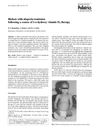
August 1989 in “European journal of pediatrics”
6 citations
,
August 1989 in “European journal of pediatrics” Child with rickets improved with a specific vitamin D therapy, but alopecia did not change.
 February 2025 in “Journal of Clinical Investigation”
 RNase L hinders hair growth by altering immune signals.
 46 citations
,
December 2010 in “The journal of investigative dermatology/Journal of investigative dermatology”
46 citations
,
December 2010 in “The journal of investigative dermatology/Journal of investigative dermatology” Disrupting Acvr1b in mice causes severe hair loss and thicker skin.
March 2023 in “SKIN The Journal of Cutaneous Medicine” Ritlecitinib helped most alopecia areata patients regrow hair by Week 48.
 June 2026 in “Drugs in Context”
 Deucravacitinib effectively treats psoriasis and may help with other skin conditions.
March 2026 in “The Journal of Steroid Biochemistry and Molecular Biology” Deleting vitamin D and calcium receptors in skin cells increases skin cancer risk by reducing DNA repair and stress response.
5 citations
,
February 1981 in “Experientia” A new gene causes hairlessness and skin cysts in rats.
 80 citations
,
April 2017 in “Frontiers in Pharmacology”
80 citations
,
April 2017 in “Frontiers in Pharmacology” PDRN helps repair tissue and improve wound healing with a high safety profile.
February 2025 in “JDDG Journal der Deutschen Dermatologischen Gesellschaft” Deucravacitinib helped a man regrow hair and improve psoriasis.
 April 2024 in “Iranian journal of veterinary medicine”
 43.1% of rabbits in Mosul City had mange, with Sarcoptes scabiei var. cuniculi being the most common.
December 2010 in “Reactions Weekly”  January 2023 in “Al-Azhar International Medical Journal /Al-Azhar International Medical Journal”
 Acne patients have higher mTOR gene expression.