35 citations
,
July 2022 in “Frontiers in Cell and Developmental Biology” Proper mTOR signaling is crucial for healthy skin and preventing skin diseases.
62 citations
,
March 2017 in “Journal of Investigative Dermatology” Mutations in the ACTB gene cause Becker’s nevi and may lead to muscle issues in Becker’s nevus syndrome.
 June 2026 in “Saudi Medical Horizons Journal”
 JAK inhibitors show promise in treating skin conditions like eczema, hair loss, and vitiligo but need more safety research.
64 citations
,
March 2004 in “The journal of investigative dermatology/Journal of investigative dermatology” GPRC5D is linked to the formation of hair, nails, and certain tongue areas.
 July 2022 in “The journal of investigative dermatology/Journal of investigative dermatology”
 Particulate matter causes inflammation in hair cells, potentially harming hair growth.
71 citations
,
May 2024 in “New England Journal of Medicine” Ruxolitinib may effectively treat APS-1 by reducing harmful immune responses.
147 citations
,
August 2005 in “The Plant Cell” The TIP1 gene is crucial for normal plant cell growth in Arabidopsis.
18 citations
,
July 2023 in “International Journal of Molecular Sciences” KY19382 speeds up wound healing by activating a specific cell signaling pathway.
July 2026 in “bioRxiv (Cold Spring Harbor Laboratory)” FAKΔe4 helps cells sense and respond to different stiffness levels in their environment.
 August 2013 in “Nature Reviews Drug Discovery”
 New treatments for cancer and skin disorders show promise in disrupting harmful cell interactions and promoting hair growth.
July 2025 in “InnovAiT Education and inspiration for general practice”  April 2019 in “National Journal of Research in Ayurved Science”
 Triphala is a safe, detoxifying Ayurvedic formula that boosts health and may have anti-cancer benefits.
 April 2019 in “Journal of Investigative Dermatology”
 BRG1 is essential for skin cells to move and heal wounds properly.
March 2016 in “Experimental Dermatology” EGFR helps hair follicles transition properly by controlling Stathmin levels.
 September 2022 in “Research Square (Research Square)”
 Increasing Rps14 helps grow more inner ear cells and repair hearing cells in baby mice.
March 2026 in “Immunological Medicine” Janus kinase inhibitors help some people with severe alopecia areata regrow hair, but not everyone responds, and relapses can happen.
 1 citations
,
February 2022 in “bioRxiv (Cold Spring Harbor Laboratory)”
1 citations
,
February 2022 in “bioRxiv (Cold Spring Harbor Laboratory)” Certain interactions help prepare the androgen receptor for pairing and activation, which is important for its role in development and disease.
Red light exposure slows aging in mice by improving fat metabolism.
Raptor and Rictor have stable expression in hair cycles, with Raptor marking stem cells and Rictor involved in hair shaft formation.
6 citations
,
June 2023 in “Experimental Dermatology” Targeting mitophagy may help treat alopecia areata by reducing inflammasome activation.
 11 citations
,
January 2012 in “Journal of cell science”
11 citations
,
January 2012 in “Journal of cell science” Rac1 is essential for proper hair structure and color.
15 citations
,
October 2014 in “The journal of investigative dermatology/Journal of investigative dermatology” Erlotinib causes skin inflammation through IL-1, which can be reduced by anakinra.
52 citations
,
April 2012 in “Journal of Investigative Dermatology” KRTAP2 genes are crucial for hair structure and may impact hair disorders and treatments.
 41 citations
,
August 2015 in “The FASEB Journal”
41 citations
,
August 2015 in “The FASEB Journal” Blocking the Wnt/β‐catenin pathway can speed up wound healing, reduce scarring, and improve cartilage repair.
 54 citations
,
July 2017 in “Scientific Reports”
54 citations
,
July 2017 in “Scientific Reports” JMJD3 and NF-κB activate Notch1, which is essential for skin cell movement and wound healing.
 November 2024 in “SKIN The Journal of Cutaneous Medicine”
 Ritlecitinib effectively promotes hair regrowth in severe and very severe alopecia areata.
 January 1999 in “Journal of the European Academy of Dermatology and Venereology”
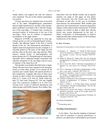
 RAPK is a rare skin disorder with pigmented spots, mainly on hands and feet, starting in youth.
47 citations
,
September 2004 in “Journal of Biological Chemistry” Hoxc13 regulates specific hair protein genes on mouse chromosome 16.
20 citations
,
January 2024 in “Journal of the European Academy of Dermatology and Venereology” Baricitinib is the most effective treatment for alopecia areata.
49 citations
,
November 2013 in “The Journal of Steroid Biochemistry and Molecular Biology” Vitamin D receptor helps control skin cell growth and hair development.