91 citations
,
November 2008 in “Journal of biological chemistry/The Journal of biological chemistry” DGAT1 enzyme is crucial for healthy skin and hair by regulating retinoid levels.
21 citations
,
October 2017 in “Cell death and disease” Sesn2 protects inner ear hair cells from damage by regulating certain cell survival pathways.
January 2026 in “Aging and Disease” DKK proteins could help diagnose and treat various non-cancerous diseases.
 February 2024 in “bioRxiv (Cold Spring Harbor Laboratory)”
 Activating TLR9 helps heal large wounds and regrow hair by involving a specific type of immune cell.
Retinoic acid can change skin development, like turning scales into feathers or forming glands.
4 citations
,
May 1998 in “PubMed” The Bsk mutation doesn't involve keratin gene recombination and its cause is unknown.
107 citations
,
June 1997 in “PubMed” EGFR is essential for normal hair development and follicle differentiation.
76 citations
,
January 1998 in “Mammalian Genome” November 2025 in “Journal of Investigative Dermatology”  87 citations
,
September 2019 in “Nature Communications”
87 citations
,
September 2019 in “Nature Communications” SOX11 and SOX4 help skin cells act like embryonic cells to heal wounds in mice.
 43 citations
,
September 2014 in “Molecular Plant”
43 citations
,
September 2014 in “Molecular Plant” CLE40 and CRN/CLV2 pathways have opposite effects on root growth in Arabidopsis.
 17 citations
,
August 2012 in “Journal of Medical Genetics”
17 citations
,
August 2012 in “Journal of Medical Genetics” A new mutation in the XEDAR gene might cause a rare skin condition called hypohidrotic ectodermal dysplasia.
January 2026 in “British Journal of Dermatology” ELF5 is essential for skin cell growth and maintenance.
42 citations
,
July 2015 in “PLoS ONE” The study revealed the detailed structure of a keratin dimer, aiding understanding of how intermediate filament proteins function.
18 citations
,
August 2024 in “eLife” JAK inhibition may help manage autoimmune conditions in Down syndrome.
 April 2021 in “Journal of Investigative Dermatology”
 Bacteria can help skin regenerate through a process called IL-1β signaling.
 April 2024 in “bioRxiv (Cold Spring Harbor Laboratory)”
 GRK2 is essential for healthy hair follicle function, and its absence can lead to hair loss and cysts.
15 citations
,
June 2020 in “The journal of investigative dermatology/Journal of investigative dermatology” Mice with extra human KLK14 had hair and skin problems, including weaker cell bonds and inflammation, linked to Netherton syndrome.
November 2011 in “Molecular Cancer Therapeutics” The Hedgehog signaling pathway is linked to cancer development, and targeting it with inhibitors shows promise but faces challenges like resistance.
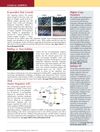 July 2016 in “Experimental Dermatology”
 New treatments for hair growth and psoriasis may be possible, and gene differences could affect baldness and the severity of skin conditions.
November 2023 in “Journal of Investigative Dermatology” Removing GRK2 in skin cells causes hair loss similar to immune-related alopecia.
8 citations
,
July 2023 in “Inflammation and Regeneration” ALKBH5 helps wounds heal faster by stabilizing PELI2 mRNA.
76 citations
,
February 2007 in “Cancer Research” Protein Kinase Cε increases skin sensitivity to UV damage and skin cancer risk.
13 citations
,
July 2016 in “Indian Journal of Dermatology” DPR can show different hair characteristics, as seen in two brothers with normal hair.
 2 citations
,
August 2019 in “BMC Complementary and Alternative Medicine”
2 citations
,
August 2019 in “BMC Complementary and Alternative Medicine” Asiasari radix extract may be a potential treatment for melanoma because it selectively triggers cell death in melanoma cells by affecting p53 regulation.
 6 citations
,
February 2013 in “Journal of Visualized Experiments”
6 citations
,
February 2013 in “Journal of Visualized Experiments” The method quickly analyzes hair growth genes and shows that blocking Smo in skin cells stops hair growth.
December 2005 in “Science s STKE” Localized ROS production is essential for cell growth and movement in plants and animals.
 February 2025 in “Biomolecules”
 RORA boosts autophagy in hair follicle stem cells, potentially aiding hair growth.
 5 citations
,
February 2019 in “bioRxiv (Cold Spring Harbor Laboratory)”
5 citations
,
February 2019 in “bioRxiv (Cold Spring Harbor Laboratory)” Rapamycin may help treat Leigh syndrome by targeting protein kinase C.
43 citations
,
January 2016 in “Cellular physiology and biochemistry” Epidermal Growth Factor helps hair follicle cells grow and move by activating a specific cell signaling pathway.