 November 2025 in “Clinical Cosmetic and Investigational Dermatology”
 The plant combination effectively repairs skin and delays aging.
 October 2025 in “HAL (Le Centre pour la Communication Scientifique Directe)”
 Variegated coat color in cats is linked to the Silver locus.
 September 2025 in “Arthritis Research & Therapy”
 BMS-470539 reduces skin fibrosis and inflammation.

Selenium is essential for health, but too little or too much can cause serious health problems.
 July 2025 in “International Journal of Pharmaceutical Research and Development”
 Exosomes can improve skin treatments with fewer side effects.
 May 2025 in “Cellular Oncology”
 Blocking both P-cadherin and c-Met can effectively stop head and neck cancer growth.
 February 2025 in “Journal of Neonatal Surgery”
 Combining antidiabetic drugs, hormonal therapies, and lifestyle changes can improve health in women with PCOS.
 January 2025 in “Journal of Medical Biochemistry”
 Superoxide dismutases help balance cell stress and may aid cancer treatment.
 October 2024 in “Irish Journal of Medical Science (1971 -)”
 Continuous glucose monitoring and GLP-1 receptor agonists improve diabetes management, but personalized care and education are crucial.
 September 2024 in “Oncology Advances”
 Medicinal plants have potential as alternative cancer treatments due to their ability to target and kill cancer cells.

Removing SIX1 in fat cells reduces skin fibrosis.
 April 2024 in “bioRxiv (Cold Spring Harbor Laboratory)”
 Removing Sprouty genes in mice causes various hormone-related issues but does not increase cancer risk by one year of age.
 April 2024 in “Cell death and disease”
 Long COVID causes various long-term health issues and needs better awareness and treatment.
 April 2024 in “Dermatovenerologiâ, kosmetologiâ”
 Actinic keratosis is a sun-induced skin condition that can potentially turn into skin cancer and requires various treatments to prevent this.
 April 2024 in “Dermatovenerologiâ, kosmetologiâ”
 Actinic keratosis is a sun-induced skin condition that can potentially turn into skin cancer and requires treatment to prevent malignancy.
 November 2023 in “Food science of animal resources”
 Lactilactobacillus curvatus LB-P9 taken orally helps hair regrow faster and thicker in mice.
 November 2023 in “Klìtinna ta organna transplantologìâ”
 MSC-derived exosomes can help treat COVID-19, hair loss, skin aging, and arthritis.
 October 2023 in “Frontiers in endocrinology”
 Androgens and androgen receptors are important for metabolic health, affecting how the body uses glucose and fats through mitochondrial function.
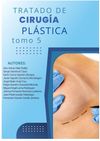 June 2023 in “Juan Cuevas eBooks”
 Personalized care and evaluation are crucial for successful plastic surgery outcomes.
 April 2023 in “bioRxiv (Cold Spring Harbor Laboratory)”
 Sweat gland development involves two unique skin cell programs and a temporary skin environment.
Deleting Smad4 and PTEN genes in mice causes rapid, invasive forestomach cancer.
Deleting Smad4 and PTEN genes in mice causes rapid, invasive stomach cancer.
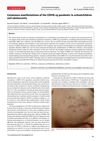 January 2023 in “Acta dermatovenerologica Alpina, Pannonica et Adriatica (Tiskana izd.)”
 The article concludes that schoolchildren and adolescents experienced various skin issues during the COVID-19 pandemic, including acne from masks and other skin reactions from the virus and vaccines.
 January 2023 in “Åbo Akademi University Research Portal”
 Vimentin is crucial for wound healing, cell growth, and managing immune responses.
 November 2022 in “CARDIOMETRY”
 A group has developed therapies that show promise for treating cancer and various other conditions.
 May 2021 in “International journal of developmental research”
 Estrogens and progesterone are key in regulating melasma pigmentation.
 November 2019 in “Harper's Textbook of Pediatric Dermatology”
 The document is a detailed medical reference on skin and genetic disorders.
 February 2019 in “bioRxiv (Cold Spring Harbor Laboratory)”
 The gene Prss53 affects hair shape and bone development in rabbits.
 September 2018 in “Fertility and Sterility”
 African American women have a higher risk of preterm delivery than Caucasian women, and inflammatory stimuli affect gene expression in cells related to PCOS, showing a heightened inflammatory state in women with PCOS.
 December 2016 in “British Journal of Dermatology”
 The meeting highlighted the importance of genetic testing and multidisciplinary approaches in pediatric dermatology.