3 citations
,
March 2025 in “Journal of Clinical Medicine” Ritlecitinib effectively treats alopecia areata with manageable side effects.
 1 citations
,
March 2026 in “American Journal of Clinical Dermatology”
1 citations
,
March 2026 in “American Journal of Clinical Dermatology” Ritlecitinib effectively regrows hair in severe alopecia areata, especially in adolescents.
 July 2022 in “The journal of investigative dermatology/Journal of investigative dermatology”
 Blocking mTORC1 activity with rapamycin could help increase hair pigmentation and growth, potentially reversing gray hair.
 January 2024 in “American journal of clinical dermatology”
 Ritlecitinib is safe and well-tolerated for treating alopecia areata in patients aged 12 and older.
 November 2023 in “Frontiers in pharmacology”
 Drug repositioning offers hope for new, affordable treatments for a genetic skin disorder called ARCI.
69 citations
,
January 2015 in “Cell & tissue research/Cell and tissue research” Keratin mutations cause skin diseases and could lead to new treatments.
 January 2023 in “Indian dermatology online journal”
 Leukemia can sometimes appear as unusual skin issues in children.
8 citations
,
October 2006 in “Current Pharmaceutical Design” Common gene patterns may cause skin autoimmune diseases.
4 citations
,
July 2024 in “Pharmacology Research & Perspectives” Ritlecitinib is safe and may effectively treat alopecia areata.
 75 citations
,
October 2010 in “Mammalian genome”
75 citations
,
October 2010 in “Mammalian genome” Sphynx cats are hairless and Devon Rex cats have curly hair due to specific genetic mutations.
 November 2024 in “SKIN The Journal of Cutaneous Medicine”
 Ritlecitinib provides new treatment options for diverse alopecia areata patients.
8 citations
,
June 1934 in “Archives of Dermatology and Syphilology” Ringworm of the scalp can heal on its own, especially if caused by animal-related fungi.
 April 1906 in “The American Journal of the Medical Sciences”
 Keratosis Pilaris Atrophicans causes skin scarring and might be treated with a new synthetic retinoid.
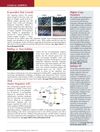 July 2016 in “Experimental Dermatology”
 New treatments for hair growth and psoriasis may be possible, and gene differences could affect baldness and the severity of skin conditions.
14 citations
,
June 2021 in “British Journal of Dermatology” The BIOMAP glossary standardizes data to improve research on atopic dermatitis and psoriasis.
29 citations
,
October 2010 in “Journal of Investigative Dermatology” Activating Kras in mouse skin causes excess skin and hair loss.
January 2026 in “Dermatologic Therapy” Higher RBP4 levels are linked to severe alopecia areata, but genetic variant rs3758539 doesn't affect baricitinib response.
9 citations
,
May 2021 in “JEADV. Journal of the European Academy of Dermatology and Venereology/Journal of the European Academy of Dermatology and Venereology” Topical minoxidil may help treat a rare genetic hair condition with no fully effective treatments yet.
May 2022 in “CRC Press eBooks” Skin diseases can greatly affect daily life and require careful treatment and medication review.
52 citations
,
February 2003 in “Archives of dermatology” 9-cis-retinoic acid showed some effectiveness in treating AIDS-related Kaposi sarcoma but had significant side effects at higher doses.
October 2025 in “Indian Dermatology Online Journal” Kitchen analogies help make skin conditions easier to understand and remember.
March 2024 in “Clinical Case Reports” Early detection of tinea capitis is possible by spotting specific hair patterns like comma or corkscrew hairs.
Sox13 is a marker for early hair follicle development but not essential for skin and hair growth.
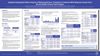 July 2025 in “SKIN The Journal of Cutaneous Medicine”
 Ritlecitinib is generally safe for alopecia areata patients over 72 months.
 January 2013 in “International Journal of Trichology”
 A new mutation in the TRPS1 gene was found in a Ukrainian girl with Trichorhinophalangeal syndrome type I.
April 2026 in “Human Genome Variation” Long-read RNA sequencing can identify complex gene changes in IFAP syndrome.
 June 2026 in “Dermatology and Therapy”
 Ritlecitinib provides new treatment options for diverse alopecia areata patients.
1 citations
,
August 2025 in “Australasian Journal of Dermatology” Anti-TNF therapy can cause a rare hair loss condition similar to alopecia areata.
 September 2024 in “International Journal of Contemporary Pediatrics”
 A multidisciplinary approach is crucial for treating complex cases of Rapunzel syndrome in children.
34 citations
,
August 2018 in “Cancer research” Fixing DNA errors is crucial to prevent skin cancer.