 17 citations
,
December 2004 in “Bioorganic & Medicinal Chemistry Letters”
17 citations
,
December 2004 in “Bioorganic & Medicinal Chemistry Letters” Scientists found new, better-working inhibitors for a hormone-related enzyme.
March 2023 in “SKIN The Journal of Cutaneous Medicine” Ritlecitinib helped most alopecia areata patients regrow hair by Week 48.
December 2012 in “http://isrctn.org/>” 8 citations
,
June 2023 in “Acta Biochimica et Biophysica Sinica” rRSPO1 protein boosts hair growth by activating a key signaling pathway.
 2 citations
,
March 2015 in “Toxicology and Environmental Health Sciences”
2 citations
,
March 2015 in “Toxicology and Environmental Health Sciences” Rice bran extract caused moderate skin irritation but no eye irritation, while a diluted essence was not irritating to skin and only slightly to guinea pigs.
January 2026 in “Dermatologic Therapy” Ritlecitinib is effective and safe for treating severe alopecia areata, showing significant hair regrowth and improved mental health.
 December 2025 in “Frontiers in Medicine”
 Ritlecitinib successfully treated a child's alopecia universalis after baricitinib failed.
2 citations
,
June 2024 in “Dermatology” Ritlecitinib improves hair regrowth satisfaction in alopecia areata patients.
2 citations
,
May 2022 in “International Journal of Trichology” Brazilian Keratin Treatment can cause skin reactions like redness and scaling, possibly due to formaldehyde.
4 citations
,
January 2023 in “Indian Dermatology Online Journal” A simple test can help diagnose a rare bruising disorder after ruling out other causes.
 January 2023 in “Pesquisa Veterinária Brasileira”
 A KRT71 mutation in Hereford cattle in Uruguay causes thin, curly hair and scaly skin.
 25 citations
,
May 2003 in “Expert Opinion on Therapeutic Patents”
25 citations
,
May 2003 in “Expert Opinion on Therapeutic Patents” Steroid Sulfatase inhibitors show promise in treating hormone-dependent disorders like cancers, hair loss, and acne, with 667COUMATE being a potential candidate for breast cancer treatment trials.
 129 citations
,
November 2005 in “Internal Medicine Journal”
129 citations
,
November 2005 in “Internal Medicine Journal” Early detection and intensive treatment of diseases caused by Staphylococcus aureus toxins are crucial for reducing severe health effects.
13 citations
,
August 2000 in “Blood” Measuring minimal residual disease on day 15 helps identify high-risk leukemia patients.
37 citations
,
August 2011 in “Journal of Bone and Mineral Research” A girl had rickets due to a gene mutation affecting vitamin D response.
6 citations
,
June 1986 in “The Journal of Dermatology” Reticular erythematous mucinosis syndrome can occur with minimal mucin deposition.
 August 2019 in “Journal of Invertebrate Pathology”
 Thymosin beta 4 protects cells from damage by blocking a harmful microRNA and boosting a protective gene.
2 citations
,
March 2010 in “Acta Biochimica Polonica” Raltitrexed conjugates are less potent than the free drug but more effective at high concentrations.
March 2021 in “Medico-Legal Update” The androgen receptor gene doesn't affect women with recurrent spontaneous abortions, but having a mutant genotype might protect against it.
2 citations
,
January 2020 in “Skin Appendage Disorders” Ustekinumab treatment may reveal a genetic tendency for steatocystoma multiplex in psoriasis patients.
29 citations
,
January 2003 in “KARGER eBooks” HVDRR is caused by VDR gene mutations, leading to vitamin D resistance, treatable with high calcium doses, but alopecia remains permanent.
 6 citations
,
November 2015 in “Equine Veterinary Education”
6 citations
,
November 2015 in “Equine Veterinary Education” A sick foal with Rhodococcus equi pneumonia was successfully treated for multiple complications with targeted therapy and careful monitoring.
November 2024 in “Skin Appendage Disorders” Clinicians should consider individual factors and communicate risks and benefits when prescribing ritlecitinib for adolescent alopecia areata.
November 2025 in “International Journal of Bio-resource and Stress Management” MRSA in dogs can spread to humans, so infection control is crucial.
 April 2023 in “The journal of investigative dermatology/Journal of investigative dermatology”
 Ritlecitinib significantly improves scalp hair regrowth in alopecia areata patients over time.
11 citations
,
September 2021 in “American Journal of Medical Genetics Part A” Four new cases of Bachmann-Bupp syndrome suggest potential for targeted treatment.
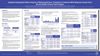 July 2025 in “SKIN The Journal of Cutaneous Medicine”
 Ritlecitinib is generally safe for alopecia areata patients over 72 months.
December 2012 in “Expert review of dermatology” New findings suggest the protein linked to Birt–Hogg–Dubé syndrome is important in cell signaling and could affect treatment understanding.
4 citations
,
March 1999 in “International Journal of STD & AIDS” Netherton's syndrome can cause frequent bacterial infections beyond just skin issues.
June 2025 in “Acta Dermato Venereologica” Low-dose Ritlecitinib may help children with stubborn Alopecia Areata.