39 citations
,
January 2020 in “Scientific Reports” Four circRNAs were found to be significantly different in cashmere goat skin, affecting cashmere fineness.
 June 2026 in “Dermatology and Therapy”
 Ritlecitinib provides new treatment options for diverse alopecia areata patients.
 6 citations
,
June 2018 in “Journal of pediatric endocrinology & metabolism/Journal of pediatric endocrinology and metabolism”
6 citations
,
June 2018 in “Journal of pediatric endocrinology & metabolism/Journal of pediatric endocrinology and metabolism” Patients with the same genetic mutation for vitamin D-resistant rickets showed different symptoms but all improved with treatment except for hair loss.
7 citations
,
September 2024 in “The Journal of Dermatology” Ritlecitinib helps regrow hair in people with alopecia totalis and universalis and is safe to use.
 January 2024 in “Wiadomości Lekarskie”
 Point of Care in radiology speeds up diagnosis and treatment by performing tests where the patient is.
November 2024 in “SKIN The Journal of Cutaneous Medicine” Ritlecitinib effectively reduces severe hair loss in alopecia areata over 24 months.
227 citations
,
April 2023 in “The Lancet” Ritlecitinib effectively treats alopecia areata and is well-tolerated.
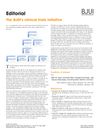 March 2017 in “BJU international”
 The BJUI supports clinical trials as key for unbiased medical evidence and works to enhance their design, reporting, and discussion.
4 citations
,
November 2023 in “SKIN The Journal of Cutaneous Medicine” Ritlecitinib is safe for treating alopecia areata for up to 48 weeks.
October 1990 in “Pediatric Research” Nocturnal calcium infusions improved a boy's severe rickets without causing hair loss.
November 2025 in “SKIN The Journal of Cutaneous Medicine” Ritlecitinib 50 mg effectively promotes and sustains hair regrowth in alopecia areata patients.
3 citations
,
November 2023 in “Journal of Investigative Dermatology” Over 45% of patients with alopecia areata benefit from ritlecitinib, mostly within a year.
December 2025 in “The Journal of Dermatology” Ritlecitinib effectively reduces hair loss in JAK inhibitor-naïve alopecia areata patients.
 November 2018 in “Annals of oncology”
 A scalp-cooling system effectively prevents hair loss in breast cancer patients treated with eribulin.
September 2023 in “Journal of the American Academy of Dermatology” May 2026 in “Dermatology and Therapy” Ritlecitinib improves hair growth and quality of life in severe alopecia areata with longer use.
128 citations
,
January 2023 in “Frontiers in Endocrinology” Individualized treatment and support can help most couples with recurrent implantation failure achieve pregnancy.
52 citations
,
August 1993 in “Clinical endocrinology” Intravenous and oral calcium effectively treated vitamin D dependent rickets type II, improving growth and bone health.
 48 citations
,
May 2019 in “Genome Biology”
48 citations
,
May 2019 in “Genome Biology” Researchers found that certain RNA circles in the brain are linked to disease risk, but their exact role in disease is still unknown.
September 2017 in “Griffith Research Online (Griffith University, Queensland, Australia)” Blocking IL-17 can reduce joint inflammation in Ross River Virus infections.
 June 2025 in “Biomolecules”
 RORA affects hair follicle stem cells' structure and movement, potentially helping treat hair loss.
CRPS I is complex, linked to immune and nerve issues, and needs comprehensive treatment.
September 2023 in “Journal of the American Academy of Dermatology” 1 citations
,
May 2025 in “Cytotechnology” Icariside II may help treat gastric cancer by stopping tumor growth.
 April 2019 in “Journal of Investigative Dermatology”
 Researchers fixed gene mutations causing a skin disease in stem cells, which then improved skin grafts in mice.
January 2025 in “The Journal of Dermatology” Patients prefer the higher 50 mg dose of ritlecitinib for better hair regrowth despite higher risks.
 July 2026 in “bioRxiv (Cold Spring Harbor Laboratory)”
 ACA2 is crucial for root hair growth by controlling calcium levels in cells.
Ritlecitinib helps reduce inflammation and promote hair regrowth in alopecia areata, especially in patchy-type cases.
Ritlecitinib is a new treatment for severe hair loss in people 12 and older.
 October 2024 in “Journal of the European Academy of Dermatology and Venereology”
 Ritlecitinib and baricitinib are similarly effective for hair regrowth in severe alopecia areata.