July 2025 in “Zenodo (CERN European Organization for Nuclear Research)” Ritlecitinib helps regrow hair in alopecia areata and is safe for long-term use.
March 2026 in “SKIN The Journal of Cutaneous Medicine” Ritlecitinib is being tested for safety and effectiveness in young children with severe alopecia areata.
13 citations
,
September 2012 in “Cell & tissue research/Cell and tissue research” pCLCA2 protein may help maintain skin structure and function.
 1 citations
,
October 2023 in “Skin research and technology”
1 citations
,
October 2023 in “Skin research and technology” LC-OCT is an effective new method for diagnosing classic lichen planopilaris.
June 2018 in “Chinese Journal of Dermatology” Connective tissue nevi have distinct features, and reflectance confocal microscopy is useful for early diagnosis.
 December 2023 in “Journal of Ayub Medical College Abbottabad”
 Ritlecitinib effectively treats alopecia areata in patients 12 and older with fewer side effects.
 December 2025 in “Clinical Cosmetic and Investigational Dermatology”
 A rare lupus case on the chin was successfully treated with steroids and immunomodulators after accurate diagnosis using advanced imaging techniques.
May 2015 in “European Journal of Paediatric Neurology” ECCL should be considered in patients with specific skin and eye lesions.
 May 2014 in “Journal of The American Academy of Dermatology”
 The number of new cases of cutaneous B-cell lymphoma has leveled off since the early 2000s, and survival rates have improved since 1973.
 5 citations
,
February 2024 in “Clinical Pharmacokinetics”
5 citations
,
February 2024 in “Clinical Pharmacokinetics” A 50 mg daily dose of ritlecitinib is effective for alopecia areata, with temporary treatment breaks up to 6 weeks not affecting results.
November 2025 in “Journal of Investigative Dermatology” Ritlecitinib effectively treats severe Alopecia Areata by reducing harmful immune activity in the skin.
14 citations
,
August 2015 in “Endocrinology” The antibody 005-C04 blocks prolactin receptors, causing reversible infertility, impaired lactation, and hair regrowth in female mice.
September 2023 in “Journal of the American Academy of Dermatology” 109 citations
,
February 2018 in “CB/Current biology” ERULUS controls root hair growth by regulating cell wall composition and pectin activity.
 5 citations
,
November 2020 in “EBioMedicine”
5 citations
,
November 2020 in “EBioMedicine” Disruptions in sleep-wake cycles can cause health problems like mental, metabolic, and heart diseases, and cancer.
 73 citations
,
April 2013 in “Stem cells”
73 citations
,
April 2013 in “Stem cells” LGR5 helps maintain corneal cell characteristics and prevents unwanted changes by controlling specific cell signaling pathways.
November 2025 in “SKIN The Journal of Cutaneous Medicine” Ritlecitinib is generally safe for adolescents with alopecia areata over 5 years.
 1 citations
,
November 2025 in “International Journal of Clinical Pharmacy”
1 citations
,
November 2025 in “International Journal of Clinical Pharmacy” Cladribine has known risks and potential new safety concerns, requiring careful monitoring.
52 citations
,
July 1998 in “Urology” Liarozole may be more effective than cyproterone acetate for treating advanced prostate cancer, with better PSA response and survival rates, while maintaining quality of life.
 291 citations
,
April 2010 in “Gastroenterology”
291 citations
,
April 2010 in “Gastroenterology” Certain proteins, Lgr5 and Lgr6, are important markers of adult stem cells and are involved in tissue repair and cancer development.
 18 citations
,
February 2010 in “Odontology”
18 citations
,
February 2010 in “Odontology” The document concludes that Rabson-Mendenhall syndrome requires novel treatments for insulin resistance and emphasizes the importance of dental care in affected patients.
25 citations
,
September 2005 in “Journal of the American Academy of Dermatology” Rapp-Hodgkin syndrome, AEC, and EEC are different expressions of the same genetic disorder caused by TP63 gene mutations.
 8 citations
,
September 2002 in “Genes to Cells”
8 citations
,
September 2002 in “Genes to Cells” Killing specific cells in hair follicles can lead to hair growth problems in mice.
 March 2025 in “SKIN The Journal of Cutaneous Medicine”
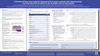
 The study within the ALLEGRO clinical trial program assessed 832 patients with alopecia areata (AA) to identify predictors of long-term scalp hair regrowth following ritlecitinib treatment. Key predictors for achieving a SALT score ≤20 at 24 months included baseline SALT score, SALT score at Month 6, non-AT/AU type, duration of AA since diagnosis, and duration of significant scalp hair loss at baseline. These findings indicate that certain patient characteristics can predict treatment outcomes, which may help optimize treatment decisions for AA. However, the predictive models are not yet validated for clinical practice and should not replace professional medical judgment.
 January 2015 in “Prace Naukowe Uniwersytetu Ekonomicznego we Wrocławiu”
 Using Lasswell's model can make CSR communication more effective and trusted.
25 citations
,
October 2022 in “Ophthalmic Research” Red light therapy temporarily increased blood flow in the eye but didn't change other eye structures.
 April 2023 in “The journal of investigative dermatology/Journal of investigative dermatology”
 Folliculotropic mycosis fungoides has unique molecular features and cell interactions that could guide targeted therapy.
4 citations
,
June 2020 in “DOAJ (DOAJ: Directory of Open Access Journals)” A woman with Rhupus and Rowell syndrome was treated successfully with medication adjustments.
September 2025 in “Value in Health” September 2023 in “International journal of molecular sciences” Targeting lipid metabolism can help treat advanced, resistant cancers.