January 2011 in “The Internet Journal of Pharmacology” Minoxidil is cost-effective for regrowing hair on the scalp's top but not the front, requiring ongoing use.
 391 citations
,
January 2010 in “Journal of The American Academy of Dermatology”
391 citations
,
January 2010 in “Journal of The American Academy of Dermatology” Half of people with Alopecia Areata may see hair regrowth within a year without treatment, but recovery is unpredictable.
 2 citations
,
March 2019 in “Journal of Dermatology”
2 citations
,
March 2019 in “Journal of Dermatology” Trichoscopy helped diagnose and treat a woman with two different types of hair loss.
 May 2023 in “Clinical and Experimental Dermatology”
 Alopecia areata has a high chance of persisting and relapsing, with a significant risk of total hair loss, especially if it starts in childhood.
 2 citations
,
December 1995 in “Pediatrics”
2 citations
,
December 1995 in “Pediatrics” Infant hair loss is usually temporary and grows back without treatment.
June 2026 in “British Journal of Dermatology” Photodynamic therapy for actinic keratosis can cause permanent hair loss.
 2 citations
,
January 2023 in “Annals of Dermatology”
2 citations
,
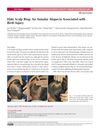
January 2023 in “Annals of Dermatology” A hairless patch on a boy's scalp from birth injury improved with minoxidil treatment.
September 2025 in “Skin Research and Technology” 2 citations
,
January 2024 in “JOURNAL OF CLINICAL AND DIAGNOSTIC RESEARCH” Ayurvedic treatments can effectively regrow hair in Alopecia Areata with few side effects.
6 citations
,
July 2004 in “JDDG Journal der Deutschen Dermatologischen Gesellschaft” Frontal fibrosing alopecia in postmenopausal women can be managed with early treatment using corticosteroids to stop hair loss.
25 citations
,
October 1975 in “Journal of Cutaneous Pathology” Hair growth in alopecia areata is hindered due to impaired cell activity in the surrounding tissue.
1 citations
,
September 2003 in “Praxis” Hair loss is a significant challenge with psychological effects, but treatments like minoxidil and finasteride are effective.
3 citations
,
January 2002 in “Actas Dermo-Sifiliográficas” Excessive minoxidil use can damage hair structure.
January 2025 in “Medical Research Archives” A new classification and scoring system is needed for alopecia areata to better assess severity.
 40 citations
,
May 2012 in “British Journal of Dermatology”
40 citations
,
May 2012 in “British Journal of Dermatology” Recognizing specific features of African-American hair can help diagnose hair loss conditions.
1 citations
,
September 1977 in “JAMA” A man regrew hair after using a 2% fluorouracil treatment on his scalp.
 30 citations
,
January 2020 in “Journal of The American Academy of Dermatology”
30 citations
,
January 2020 in “Journal of The American Academy of Dermatology” Fibrosing alopecia in a pattern distribution is a hair loss condition often confused with other types, requiring early treatment but usually not resulting in significant hair regrowth.
 January 2011 in “International Journal of Trichology”
 The document concludes that doctors should recognize congenital triangular alopecia to avoid unnecessary treatments, as it does not respond to steroids like alopecia areata does.
May 2024 in “JAAD Case Reports” A young man was diagnosed with a rare hair loss condition usually seen in older women.
 89 citations
,
March 2018 in “The Journal of Dermatology”
89 citations
,
March 2018 in “The Journal of Dermatology” Trichoscopy helps diagnose and monitor alopecia areata by looking at a combination of specific hair and scalp features.
 2 citations
,
November 2012 in “European Journal of Dermatology”
2 citations
,
November 2012 in “European Journal of Dermatology” Hair transplant surgery may cause alopecia areata, a new possible complication.
October 2025 in “Indian Journal of Paediatric Dermatology” The infant's hair loss resolved naturally by 20 months without treatment.
June 2025 in “British Journal of Dermatology” Certain hair and scalp features can predict the severity of alopecia areata.
 April 2024 in “International Journal of Research Publication and Reviews”
 Alopecia areata causes hair loss with varied treatment responses and frequent relapses.
 8 citations
,
January 2003 in “Plastic and Reconstructive Surgery”
8 citations
,
January 2003 in “Plastic and Reconstructive Surgery” Hair transplants using follicular unit grafting can significantly improve appearance for men with advanced hair loss.
 January 2015 in “Indian Dermatology Online Journal”
 The patient's hair loss is most likely due to diffuse alopecia areata.
January 2022 in “Clinical Cases in Dermatology” Early treatment of traction alopecia can reverse hair loss; prevention involves avoiding tight hairstyles.
 1 citations
,
September 2016 in “Journal of Dermatology”
1 citations
,
September 2016 in “Journal of Dermatology” Baldness is common in Korean men (60.5%), and those with a family history are 3.1 times more likely to have hairline recession.
14 citations
,
April 2017 in “Dermatology practical & conceptual” Yellow dots are common in severe alopecia areata.