 June 2026 in “International Journal of Bioprinting”
 3D bioprinting shows promise for skin regeneration but needs more development to fully replicate natural skin.
 March 2026 in “bioRxiv (Cold Spring Harbor Laboratory)”
 The Enriched-GF method efficiently produces high-yield growth factors for tissue repair.
 March 2026 in “Frontiers in Pharmacology”
 Exprecell™ is as effective as traditional methods but produces more f-PRF and is simpler to use.
 January 2026 in “RSC Advances”
 The hydrogel speeds up diabetic wound healing and reduces scarring.
 January 2026 in “Journal of Biomedical Research”
 Small extracellular vesicles from stem and immune cells show promise for treating various diseases but face challenges in clinical use.

Autologous platelet concentrates help heal and regenerate dental tissues.
 December 2025 in “VNU Journal of Science Medical and Pharmaceutical Sciences”
 PRP therapy is effective and safe for skin conditions like wound healing and hair loss.
 August 2025 in “Research Square (Research Square)”
 High TNF-α levels may increase hair loss risk after PRP therapy.

Menopause-related skin changes may increase fungal infections and inflammation.
 December 2024 in “Deleted Journal”
 New therapies show promise for wound healing, but more research is needed for safe, affordable options.
 December 2023 in “Communications biology”
 Targeting the HEDGEHOG-GLI1 pathway could help treat keloids.
 January 2023 in “Åbo Akademi University Research Portal”
 Vimentin is crucial for wound healing, cell growth, and managing immune responses.
 January 2022 in “Dermatology Review”
 Higher IL-31 levels are linked to worse itching in chronic kidney disease patients.

PlacMA hydrogels from human placenta are versatile and useful for cell culture and tissue engineering.

New treatments for hair loss show promise, including plasma, stem cells, and hair-stimulating complexes, but more research is needed to fully understand them.
 January 2016 in “Springer eBooks”
 New materials and methods could improve skin healing and reduce scarring.

Tissue from dog stem cells helped grow hair in mice.
 January 2014 in “Journal of Investigative Dermatology”
 Proteins like aPKC and PDGF-AA, substances like adenosine and ATP, and adipose-derived stem cells all play important roles in hair growth and health, and could potentially be used to treat hair loss and skin conditions.
 January 2012 in “heiDOK (Heidelberg University)”
 Dormant melanoma cells in mice interact minimally with memory T cells due to a suppressive tumor environment.
 January 2012 in “Elsevier eBooks”
 New treatments for skin and hair repair show promise, but further improvements are needed.
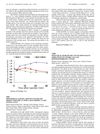 April 2010 in “The Journal of Urology”
 Human prostate cells produce more WISP1/CCN4 when there's not enough oxygen.
 January 2006 in “The Journal of Korean Medicine Ophthalmology and Otolaryngology and Dermatology”
 Rubus coreanum may help hair growth but not through the tested mechanisms, and none of the herbal extracts help with acne.
 September 2004 in “Experimental dermatology”
 Melatonin directly affects mouse hair follicles and may influence hair growth.
 24 citations
,
October 2014 in “Cold Spring Harbor Perspectives in Medicine”
24 citations
,
October 2014 in “Cold Spring Harbor Perspectives in Medicine” Genetic research has advanced our understanding of skin diseases, but complex conditions require an integrative approach for deeper insight.
 1 citations
,
January 2023 in “European Journal of Research in Dentistry”
1 citations
,
January 2023 in “European Journal of Research in Dentistry” Tideglusib with a bacterial cellulose hydrogel improves wound healing in rats.
 86 citations
,
December 2001 in “Experimental dermatology”
86 citations
,
December 2001 in “Experimental dermatology” Mutant mice help researchers understand hair growth and related genetic factors.
 67 citations
,
November 2019 in “Nature Communications”
67 citations
,
November 2019 in “Nature Communications” Oncogenic melanocyte stem cells can develop into melanoma similar to human cases.
 47 citations
,
September 2015 in “Cell Cycle”
47 citations
,
September 2015 in “Cell Cycle” Different skin stem cells help heal wounds, with hair follicle cells becoming more important over time.
 28 citations
,
March 2017 in “Endocrinology”
28 citations
,
March 2017 in “Endocrinology” Removing vitamin D and calcium receptors in mice skin cells slows down skin wound healing.
 1 citations
,
January 2016 in “Elsevier eBooks”
1 citations
,
January 2016 in “Elsevier eBooks” The document concludes that identifying the specific cells where skin cancers begin is important for creating better prevention, detection, and treatment methods.