 June 1992 in “Inpharma Weekly”
 Patch testing with different solvents helps find the right minoxidil formulation for those with scalp allergies.
 August 2019 in “Reactions Weekly”
 Oral minoxidil for hair loss caused mild side effects in some men, but most continued treatment.
 5 citations
,
January 2018 in “Skin appendage disorders”
5 citations
,
January 2018 in “Skin appendage disorders” Minoxidil base is preferred for hair loss treatment, but minoxidil sulfate may be an alternative for unresponsive patients.
 3 citations
,
January 2018 in “Annals of Dermatology”
3 citations
,
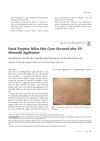
January 2018 in “Annals of Dermatology” A woman developed facial hair cysts after using a 3% minoxidil solution for hair loss, which disappeared after stopping the treatment and removing the cysts surgically.
 May 2024 in “Journal of cosmetic dermatology”
 Topical finasteride/minoxidil is effective but not better than oral finasteride for hair loss.
 2 citations
,
March 1988 in “Archives of Dermatology”
2 citations
,
March 1988 in “Archives of Dermatology” Minoxidil can help regrow hair or slow down hair loss, but results vary among individuals.
The 2% minoxidil cream is stable, spreads well on the skin, and helps with hair growth.
 44 citations
,
March 1987 in “Journal of The American Academy of Dermatology”
44 citations
,
March 1987 in “Journal of The American Academy of Dermatology” Using minoxidil on balding scalps can stimulate hair regrowth and increase blood flow. It's an effective treatment for early hair loss.
 March 2025 in “BioNanoScience”
 The new minoxidil hydrogel improves delivery and is safe for treating hair loss.
 7 citations
,
November 2020 in “Journal of The American Academy of Dermatology”
7 citations
,
November 2020 in “Journal of The American Academy of Dermatology” Low-dose oral minoxidil may cause side effects like hypertrichosis and is not suitable for everyone.
 6 citations
,
May 2012 in “Clinical and experimental dermatology”
6 citations
,
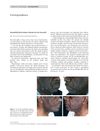
May 2012 in “Clinical and experimental dermatology” Oral minoxidil can cause inflamed, ingrown hairs in the beard area.
 1 citations
,
October 2021 in “Journal of Medical Case Reports”
1 citations
,
October 2021 in “Journal of Medical Case Reports” Using minoxidil for hair loss might cause sudden vision loss, so use it with caution and monitor closely.
 53 citations
,
March 1987 in “Journal of The American Academy of Dermatology”
53 citations
,
March 1987 in “Journal of The American Academy of Dermatology” Minoxidil effectively regrows hair in male pattern baldness.

Using too much topical minoxidil can cause serious side effects like dizziness and low blood pressure.
26 citations
,
March 1987 in “Journal of the American Academy of Dermatology” Minoxidil helps hair regrowth by stimulating hair follicles and reducing immune responses.
 August 2025 in “International Journal of Pharmaceutical Sciences and Nanotechnology”
 The new minoxidil nanoemulgel may treat hair loss more effectively with fewer side effects.
5% minoxidil is safe and effective for treating male hair loss.
 April 2020 in “Dermatology and therapy”
 New 5% minoxidil solution improves scalp hydration, reduces redness, and may be safer for sensitive users.
February 2023 in “Clinical Toxicology” Norepinephrine is better than dopamine for treating low blood pressure from minoxidil overdose.
 January 2022 in “المجلة العراقية للصيدلة”
 Minoxidil, a hair growth stimulant, is effective in treating hair loss and new formulas like nanoemulsion and nanocarrier systems have improved its delivery.
March 2020 in “Case medical research” 1 citations
,
May 2025 in “Archives of Dermatological Research” Minoxidil microinfusion lowers diastolic blood pressure in patients.
 July 2024 in “International Journal of Dermatology Venereology and Leprosy Sciences”
 Minoxidil can help regrow hair in people with alopecia areata.
Iontophoresis and chitosan microparticles improve minoxidil delivery and retention for hair loss treatment.
 51 citations
,
October 1980 in “The New England Journal of Medicine”
51 citations
,
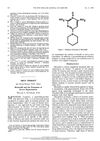
October 1980 in “The New England Journal of Medicine” Minoxidil lowers blood pressure effectively but may cause unwanted hair growth and other side effects.
 6 citations
,
January 2021 in “Journal of The American Academy of Dermatology”
6 citations
,
January 2021 in “Journal of The American Academy of Dermatology” Low-dose oral minoxidil can be effective for hair loss but should be avoided in people with certain heart conditions and severe liver problems.
 January 2026 in “Frontiers in Pharmacology”
 Minoxidil can treat hair loss with topical, oral, and sublingual options, offering personalized choices.
1 citations
,
June 2021 in “International journal of pharmaceutical compounding” Minoxidil in FOAMIL is stable for at least 180 days at various concentrations.
26 citations
,
January 1987 in “Dermatology” Topical minoxidil is safe and effective for some early male-pattern baldness cases.
 April 2024 in “JAMA dermatology”
 Oral minoxidil is as effective as topical minoxidil for male hair loss but has more side effects like excessive hair growth and headaches.