Excluding alopecia and mucous membrane components from the CLASI-A score reduces its effectiveness in capturing important disease activity.
 52 citations
,
March 2007 in “Dermatologic Therapy”
52 citations
,
March 2007 in “Dermatologic Therapy” The CLASI is a reliable tool for measuring the severity of cutaneous lupus erythematosus.
 2 citations
,
January 2013 in “Türkiye klinikleri tıp bilimleri dergisi”
2 citations
,
January 2013 in “Türkiye klinikleri tıp bilimleri dergisi” The study suggests using a score of 11 on the mFG scale to diagnose hirsutism in Turkish women, with adjustments for age, skin type, and family history.
 June 2020 in “Annals of the Rheumatic Diseases”
 Patients with Systemic Sclerosis have much higher levels of GDF-15, which could help predict organ involvement and guide treatment.
April 2017 in “The Journal of urology/The journal of urology” Finasteride use is linked to a lower risk of bladder cancer, especially in Caucasians and Hispanics.
10 citations
,
January 2015 in “European journal of pharmacology” Ginsenoside Rb1 may help remodel hypertrophic scars effectively at a dose of 0.56 mg.
January 2026 in “JAMA Dermatology” ICD codes for skin conditions vary in accuracy, needing better validation for some common conditions.
1 citations
,
September 2023 in “Frontiers in Genetics” A heterozygous mutation in HTRA1 can cause severe CARASIL symptoms.
3 citations
,
October 2011 The updated criteria improve the accuracy of diagnosing lupus.
 9 citations
,
March 2018 in “Actas Dermo-Sifiliográficas”
9 citations
,
March 2018 in “Actas Dermo-Sifiliográficas” The Spanish version of the Hair Specific Skindex-29 scale is a reliable and valid way to measure the impact of hair loss on women's quality of life.
 1 citations
,
September 2021 in “Cureus”
1 citations
,
September 2021 in “Cureus” The rs1128977 gene variant may affect cholesterol and body measurements.
 3 citations
,
February 2019 in “Disease Markers”
3 citations
,
February 2019 in “Disease Markers” The index to ring finger ratio may indicate disease severity in female ankylosing spondylitis patients, but not in males.
 December 2024 in “Journal of Cutaneous and Aesthetic Surgery”
 Dermoscopy effectively assesses and improves acne scar treatments.
Integrating ABI screening in clinics can improve patient care for those at risk of peripheral artery disease.
Higher EULAR/ACR scores in SLE patients predict more organ damage.
 June 2023 in “Aesthetic Plastic Surgery”
 The PRECISE scale helps estimate how many grafts are needed for hair transplant based on the severity of hair loss.
September 2015 in “International Society of Hair Restoration Surgery” 
Long COVID symptoms are common and the new method will help test if remdesivir reduces them.
86 citations
,
January 2020 in “British Journal of Dermatology” The AA-IGA scale reliably measures treatment success in alopecia areata by considering both clinician and patient views.
 July 1996 in “Annals of Internal Medicine”
 International medical graduates scored higher than U.S. graduates on a medical exam.
 2 citations
,
January 2006 in “Technical report”
2 citations
,
January 2006 in “Technical report” The document concludes that better tools are needed to measure skin disease severity in dermatomyositis and cutaneous lupus erythematosus, and introduces the DSSI and CLASI as reliable instruments.
44 citations
,
October 2020 in “Arthritis Care & Research” Choosing the right tools is crucial for accurately measuring lupus activity and damage.
13 citations
,
January 2022 in “Microvascular Research” LSCI-HR is reliable for monitoring blood flow in wound healing in mice.
3 citations
,
October 2020 in “UNC Libraries” The new criteria for classifying lupus are more accurate and comprehensive.
 April 2023 in “The journal of investigative dermatology/Journal of investigative dermatology”
 Ritlecitinib significantly improves scalp hair regrowth in alopecia areata patients over time.
 5 citations
,
October 2018 in “Research in psychotherapy”
5 citations
,
October 2018 in “Research in psychotherapy” The Italian version of a relationship scale was adapted for cancer patients, showing some differences from the original and suggesting its use could improve therapy and treatment adherence.
19 citations
,
July 2019 in “Journal of Cosmetic Dermatology” A new tool can predict hair regrowth in patchy alopecia areata patients.
 April 2025 in “International Journal of Homoeopathic Sciences”
 Carcinosin, a homeopathic remedy, helped a young girl with alopecia areata regrow hair and reduce psychological symptoms.
 39 citations
,
July 2013 in “Journal of dermatological science”
39 citations
,
July 2013 in “Journal of dermatological science” Hair microRNAs could be effective biomarkers for diagnosing scleroderma.
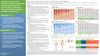 March 2026 in “SKIN The Journal of Cutaneous Medicine”
 All parts of the CLASI-A score are important for assessing skin activity in cutaneous lupus erythematosus.