
Microneedling for hair loss may cause skin cancer.
 April 2023 in “The journal of investigative dermatology/Journal of investigative dermatology”
 Damaged hair follicle stem cells may leave the skin to help maintain youthfulness.
 September 2019 in “The journal of investigative dermatology/Journal of investigative dermatology”
 Hair follicles repair 3D injuries using a 2D healing process.
Different types of sun exposure damage skin cells and immune cells, with chronic exposure leading to more severe and lasting damage.
Ribonucleotide excision repair is crucial to prevent skin cancer.
Ribonucleotide excision repair is crucial to prevent skin cancer.
1 citations
,
February 2023 in “American Journal of Dermatopathology” Microscarring is found in both alopecia areata and pattern hair loss, suggesting a shared cause.
 4 citations
,
January 2017 in “Annals of Dermatology”
4 citations
,
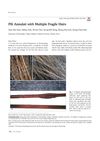
January 2017 in “Annals of Dermatology” Frequent hairdryer use may worsen hair fragility in people with Pili Annulati.
 2 citations
,
April 2018 in “Journal of Investigative Dermatology”
2 citations
,
April 2018 in “Journal of Investigative Dermatology” The conclusion is that differentiating wound types in RDEB patients is important for clinical trials and understanding the disease.
 May 2022 in “Experimental dermatology”
 Trichothiodystrophy hair is structurally abnormal with protein and organization issues.
July 2025 in “Journal of Investigative Dermatology” April 2018 in “Journal of Investigative Dermatology” African spiny mice can regenerate skin and hair after wounds due to specific tissue mechanics.
 July 2023 in “International journal of dermatology, venereology and leprosy sciences”
 Micro needling is a skin treatment that helps with various skin conditions including stretch marks, by boosting collagen production, but it may cause redness and irritation.
 April 2019 in “Journal of Investigative Dermatology”
 Non-coding RNA boosts retinoic acid production and signaling, aiding regeneration.
Different types of sun exposure can damage skin cells and affect healing, with chronic exposure being more harmful, and certain immune cells help in the repair process.
158 citations
,
December 2002 in “Development” Msx2-deficient mice experience irregular hair growth and loss due to disrupted hair cycle phases.
 42 citations
,
December 2016 in “Cell Death & Differentiation”
42 citations
,
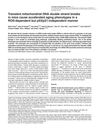
December 2016 in “Cell Death & Differentiation” Damaging mitochondrial DNA in mice speeds up aging due to increased reactive oxygen species, not through the p53/p21 pathway.

Microtrauma techniques like microneedling and PRP can help regrow hair in non-scarring alopecia.
 13 citations
,
January 1963 in “Radiation Research”
13 citations
,
January 1963 in “Radiation Research” X-ray microbeams can mimic cosmic rays' effects on tissue, aiding wound healing and hair growth.
April 2015 in “The FASEB Journal” Nitrogen mustard causes DNA damage and structural changes in mouse skin hair follicles, but some recovery occurs after 5 days.
22 citations
,
November 2016 in “International journal of molecular sciences” Vitamin D receptor is important for regulating hair growth and wound healing in mice.
March 2021 in “CRC Press eBooks” Microneedling helps improve skin and hair by creating tiny, controlled skin injuries.
January 2014 in “www.virtualization.info” MED1 affects skin wound healing differently with age, speeding it up in young mice but slowing it in older mice.
20 citations
,
May 2011 in “Journal of Clinical Investigation” The study created a mouse model to mimic degenerative diseases for testing tissue repair and new therapies.
20 citations
,
January 2022 in “Oxidative Medicine and Cellular Longevity” Reactive oxygen species (ROS) influence hair growth by causing DNA damage, cell death, and changes in immune cells.
34 citations
,
August 2018 in “Cancer research” Fixing DNA errors is crucial to prevent skin cancer.
March 2026 in “The Journal of Steroid Biochemistry and Molecular Biology” Deleting vitamin D and calcium receptors in skin cells increases skin cancer risk by reducing DNA repair and stress response.
 March 2024 in “JEADV. Journal of the European Academy of Dermatology and Venereology/Journal of the European Academy of Dermatology and Venereology”
 Hair transplant surgery using micropunch can cause blood vessel damage similar to vasculitis in some cases.
 72 citations
,
July 2012 in “Journal of Investigative Dermatology”
72 citations
,
July 2012 in “Journal of Investigative Dermatology” Mice lacking a key DNA methylation enzyme in skin cells have a lower chance of activating stem cells necessary for hair growth, leading to progressive hair loss.
20 citations
,
January 2015 in “Journal of cosmetic dermatology” Older people's hair cuticles get more easily damaged and lose protective oils, especially in their 40s and 50s.