4 citations
,
August 2016 in “PubMed” Repeated dyeing and shampooing cause hair color loss and damage.
 92 citations
,
June 2017 in “Journal of Plastic Reconstructive and Aesthetic Surgery”
92 citations
,
June 2017 in “Journal of Plastic Reconstructive and Aesthetic Surgery” Microneedling is a safe and effective treatment for various skin conditions, often preferred for its fewer side effects and shorter recovery time.
1 citations
,
May 2024 in “Journal of Dermatological Science” Injecting specific cells into the skin can help improve skin structure and reduce blisters in a genetic skin disorder.
 April 2019 in “Journal of Investigative Dermatology”
 Merkel cell carcinoma is most likely to recur within two years of diagnosis, and factors like immune suppression, being over 75, and male sex increase this risk.
 1 citations
,
September 2019 in “Journal of Investigative Dermatology”
1 citations
,
September 2019 in “Journal of Investigative Dermatology” The research showed that CRISPR/Cas9 can fix mutations causing a skin disease in stem cells, which then improved skin grafts in mice, but more work on safety and efficiency is needed.
 92 citations
,
December 2012 in “Current opinion in genetics & development”
92 citations
,
December 2012 in “Current opinion in genetics & development” Turing patterns are now recognized as important in developmental biology.
 18 citations
,
November 2016 in “International clinical psychopharmacology”
18 citations
,
November 2016 in “International clinical psychopharmacology” Inositol was not more effective than a placebo in treating trichotillomania.
 January 2019 in “Clinical neuropharmacology”
 A girl's hair-pulling condition improved greatly after she started vitamin D treatment.
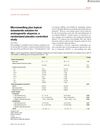 June 2022 in “Journal of The European Academy of Dermatology and Venereology”
 Microneedling with topical dutasteride improves hair growth in men with hair loss and is safe to use.
 1 citations
,
January 1987 in “Journal of Society of Cosmetic Chemists of Japan”
1 citations
,
January 1987 in “Journal of Society of Cosmetic Chemists of Japan” The method accurately measures hair damage and strength, revealing effects of cosmetics and metal correlations.
149 citations
,
July 2000 in “Molecular and Cellular Biology” Keratin 6a is important for quick wound healing from hair follicles.
70 citations
,
June 1998 in “Polymer” Permanent waving damages hair by disrupting its keratin structure.
4 citations
,
January 2025 in “Annals of the New York Academy of Sciences” Spiny mice can regenerate tissues instead of forming scars.
January 2020 in “Työväentutkimus Vuosikirja” Corneal health relies on cell migration and cooperation with the lacrimal gland, not Bmi1+ cells, and Eda gene mutations can cause dry eye disease.
9 citations
,
January 2007 in “mediaTUM – the media and publications repository of the Technical University Munich (Technical University Munich)” Microbeam radiation therapy's dose distribution changes with depth.
2 citations
,
April 2019 in “Journal of Investigative Dermatology” Gasdermin A3 causes hair follicle stem cells to activate too early, leading to hair loss.
28 citations
,
July 1980 in “British Journal of Dermatology” The hair disorder was caused by abnormal protein formation, making hair easily damaged.
January 2008 in “대한미용학회지” UV exposure severely damages hair, making it rough and weak.
Sensory neuron remodeling and Merkel-cell changes happen independently during skin maintenance.
 April 2025 in “bioRxiv (Cold Spring Harbor Laboratory)”
 Older mice heal wounds without scars due to special fibroblasts.
56 citations
,
September 2010 in “Veterinary pathology” Certain mouse strains develop a skin condition similar to a human hair loss disease due to genetic defects.

Microneedling is an effective way to treat hair loss from androgenetic alopecia.
 April 2015 in “Experimental Dermatology”
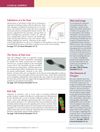
 Melanoma risk tools need improvement, certain gene mutations cause skin diseases and could be treated by targeting those mutations, skin wrinkling may relate to lung aging due to genetic factors, and oxidative stress affects hair loss but can be reduced in low oxygen.
Sensory neuron and Merkel-cell changes in the skin happen independently during normal skin maintenance.
44 citations
,
February 2023 in “Cell” Fingerprints form uniquely before birth due to specific genetic pathways and local signals.
26 citations
,
April 2010 in “The American journal of dermatopathology/American journal of dermatopathology” Researchers created a standard system to grade hair damage using microscopic images.
 13 citations
,
January 2020 in “Scientific Reports”
13 citations
,
January 2020 in “Scientific Reports” The African spiny mouse heals skin without scarring due to different protein activity compared to the common house mouse, which heals with scarring.
 3 citations
,
July 2024 in “Annals of Biomedical Engineering”
3 citations
,
July 2024 in “Annals of Biomedical Engineering” Multiphoton microscopy can effectively detect early endometrial cancer by analyzing collagen changes.
September 2017 in “Journal of Investigative Dermatology” Activating the hexosamine pathway can improve skin health and increase hair follicle stem cells.
81 citations
,
December 2007 in “Acta materialia” AFM helped show how hair changes under tension and the effects of damage and conditioner.