 610 citations
,
April 2014 in “Nature Reviews Immunology”
610 citations
,
April 2014 in “Nature Reviews Immunology” The document concludes that understanding how the skin's immune system and inflammation work is complex and requires more research to improve treatments for skin diseases.
 176 citations
,
May 2020 in “Dermatologic Therapy”
176 citations
,
May 2020 in “Dermatologic Therapy” COVID-19 can cause different skin symptoms that may help with early diagnosis and show how severe the disease is.
 129 citations
,
November 2005 in “Internal Medicine Journal”
129 citations
,
November 2005 in “Internal Medicine Journal” Early detection and intensive treatment of diseases caused by Staphylococcus aureus toxins are crucial for reducing severe health effects.
 77 citations
,
August 2025 in “Signal Transduction and Targeted Therapy”
77 citations
,
August 2025 in “Signal Transduction and Targeted Therapy” Extracellular vesicles show promise for treating diseases but face challenges in development and regulation.
 67 citations
,
February 2015 in “Life Sciences”
67 citations
,
February 2015 in “Life Sciences” Some plant-based treatments can help with benign prostatic hyperplasia symptoms, but more research is needed to confirm their safety and effectiveness.
 57 citations
,
March 2019 in “Immunity”
57 citations
,
March 2019 in “Immunity” The document concludes that the skin's immune system is complex, involving interactions with hair follicles, nerves, and microbes, and can protect or cause disease, offering targets for new treatments.
 35 citations
,
August 1980 in “Circulation”
35 citations
,
August 1980 in “Circulation” Minoxidil may cause heart issues in animals and humans.
 34 citations
,
August 2002 in “British Journal of Dermatology”
34 citations
,
August 2002 in “British Journal of Dermatology” ALA-PDT is effective and safe for chronic X-ray dermatitis, providing complete or partial remission.
 30 citations
,
June 2016 in “Journal of Human Genetics”
30 citations
,
June 2016 in “Journal of Human Genetics” Researchers found genetic mutations causing hypohidrotic ectodermal dysplasia in 88% of studied patients and identified new mutations and genetic variations affecting the disease.
 28 citations
,
January 2000 in “Medical Mycology”
28 citations
,
January 2000 in “Medical Mycology” Fungal infections in lab animals can interfere with research.
 19 citations
,
November 1993 in “Mammalian Genome”
19 citations
,
November 1993 in “Mammalian Genome” A gene mutation in mice causes permanent hair loss and skin issues.
 16 citations
,
April 2017 in “Journal of Cosmetic Dermatology”
16 citations
,
April 2017 in “Journal of Cosmetic Dermatology” Ficus carica leaf extract may help treat skin disorders by reducing inflammation and androgen effects in skin cells.
 8 citations
,
February 2023 in “American Journal of Physiology-Cell Physiology”
8 citations
,
February 2023 in “American Journal of Physiology-Cell Physiology” Adiponectin and bradykinin play important roles in skin health and may help treat skin conditions.
 3 citations
,
January 2023 in “Journal of Hard Tissue Biology”
3 citations
,
January 2023 in “Journal of Hard Tissue Biology” Wnt10a may help regenerate dental pulp and form dentine.
 3 citations
,
July 2008 in “British journal of dermatology/British journal of dermatology, Supplement”
3 citations
,
July 2008 in “British journal of dermatology/British journal of dermatology, Supplement” Terbinafine can cause hair loss.
 2 citations
,
January 2026 in “Frontiers in Endocrinology”
2 citations
,
January 2026 in “Frontiers in Endocrinology” Next-generation Treg therapies could help achieve lasting immune tolerance in type 1 diabetes.
 1 citations
,
February 2025 in “South Asian Research Journal of Pharmaceutical Sciences”
1 citations
,
February 2025 in “South Asian Research Journal of Pharmaceutical Sciences” Eclipta alba flavonoids may help treat diabetes by effectively inhibiting Aldose reductase.
 1 citations
,
March 2024 in “Signal transduction and targeted therapy”
1 citations
,
March 2024 in “Signal transduction and targeted therapy” NF-κB signaling is crucial in many diseases and can be targeted for new treatments.
 1 citations
,
January 2024 in “American journal of clinical and experimental immunology.”
1 citations
,
January 2024 in “American journal of clinical and experimental immunology.” Skin symptoms like rashes and sores can indicate COVID-19 severity, especially in older people.
 1 citations
,
August 2023 in “Frontiers in immunology”
1 citations
,
August 2023 in “Frontiers in immunology” Traditional Chinese medicinal foods may help manage long-term post-COVID symptoms.
 1 citations
,
January 2015 in “Der pharmacia lettre”
1 citations
,
January 2015 in “Der pharmacia lettre” Neurosteroids help protect the brain and improve behavior after a stroke in mice.
 April 2026 in “Portuguese Journal of Dermatology and Venereology”
 COVID-19 and its vaccines can cause various skin issues due to viral effects, immune responses, and stress.
 December 2025 in “Cureus”
 Post-COVID syndrome symptoms are common and overlap with general health issues.
 November 2025 in “Advances in Education Humanities and Social Science Research”
 Some cosmetic ingredients can harm health, causing issues like allergies, cancer, and skin problems.
 August 2024 in “Qucosa (Saxon State and University Library Dresden)”
 White fat tissue in the skin helps control inflammation by affecting certain immune cells.
 December 2023 in “Acta Facultatis Medicae Naissensis”
 Cosmeceuticals are important for managing skin issues during the COVID-19 pandemic.
 October 2022 in “Journal of experimental and clinical medicine”
 Repurposing existing drugs for COVID-19 shows promise but requires more research to confirm effectiveness.
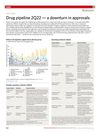 August 2022 in “Nature Biotechnology”
 Drug approvals slowed in 2Q22, but notable drugs like Amvuttra, Camzyos, and Olumiant were approved.
 February 2022 in “International journal of KIU”
 Certain genes and nutrients like vitamin D, zinc, and omega fatty acids affect COVID-19 severity and infection risk.
 January 2022 in “Dermatology Review”
 Higher IL-31 levels are linked to worse itching in chronic kidney disease patients.