 January 2016 in “Springer eBooks”
 A 19-year-old male with delayed puberty was successfully treated for a condition that prevents normal hormone production.
 April 2015 in “Archives of disease in childhood”
 A chubby child can still be malnourished.
 59 citations
,
October 2020 in “Stem Cell Reviews and Reports”
59 citations
,
October 2020 in “Stem Cell Reviews and Reports” Men have higher COVID-19 mortality rates than women due to biological and lifestyle factors.
 5 citations
,
July 2003 in “Pediatric Critical Care Medicine”
5 citations
,
July 2003 in “Pediatric Critical Care Medicine” Most patients experience temporary hair loss after ECMO, but it usually grows back within 6 months without treatment.
 April 2016 in “Journal of The American Academy of Dermatology”
 Online medical education helps doctors make better clinical decisions and increases their knowledge in treating fungal nail infections.
 April 2016 in “Journal of The American Academy of Dermatology”
 People with lichen planopilaris often have seborrheic dermatitis, which can delay the diagnosis of lichen planopilaris.
 April 2016 in “Journal of The American Academy of Dermatology”
 Using a niacinamide cream can improve life quality for breast cancer patients during chemotherapy.
 27 citations
,
November 2021 in “Scientific Reports”
27 citations
,
November 2021 in “Scientific Reports” Men are more affected by COVID-19 due to differences in immune responses and protein expression.
 May 2022 in “Acta Scientific Women's Health”
 A woman lost over 80% of her hair due to a condition called telogen effluvium after having COVID-19.
 38 citations
,
September 2021 in “Signal Transduction and Targeted Therapy”
38 citations
,
September 2021 in “Signal Transduction and Targeted Therapy” Genetic differences affect COVID-19 severity and treatment development.
 34 citations
,
September 2020 in “BMC Endocrine Disorders”
34 citations
,
September 2020 in “BMC Endocrine Disorders” Existing drug dexamethasone may lower death risk in severe COVID-19 cases; more research needed for other drugs.
 15 citations
,
January 2013 in “European Journal of Pediatrics”
15 citations
,
January 2013 in “European Journal of Pediatrics” Patients with Shwachman-Diamond syndrome often get misdiagnosed due to a wide range of symptoms, including immune system problems and bone abnormalities.
 September 2019 in “Acta scientific microbiology”
 No link between how fast you breathe and early grey hair was found.
 114 citations
,
March 2021 in “Scientific Reports”
114 citations
,
March 2021 in “Scientific Reports” Older age and existing health conditions increase COVID-19 death risk.
 4 citations
,
April 2014 in “Journal of Pharmacology and Pharmacotherapeutics”
4 citations
,
April 2014 in “Journal of Pharmacology and Pharmacotherapeutics” The boy's hair loss was caused by the tuberculosis drug isoniazid but grew back after stopping the medication.
 1 citations
,
January 2014 in “Side effects of drugs annual”
1 citations
,
January 2014 in “Side effects of drugs annual” Antihelminthic drugs treat worm infections but face challenges like low treatment coverage and potential drug resistance, with various side effects reported for different drugs.
 June 2026 in “Frontiers in Immunology”
 Understanding tissue remodeling can help create precise treatments for various organ issues.
 121 citations
,
November 2020 in “Endocrine”
121 citations
,
November 2020 in “Endocrine” Male hormones like testosterone may make COVID-19 worse, and testing for sensitivity to these hormones could help predict how severe a patient's symptoms might be. Treatments that reduce these hormones are being explored.
 65 citations
,
September 2010 in “Journal of the Neurological Sciences”
65 citations
,
September 2010 in “Journal of the Neurological Sciences” Kennedy's disease leads to muscle weakness and sensory issues, has no cure but manageable symptoms, and future treatments look promising.
 21 citations
,
January 2021 in “Therapeutic Advances in Endocrinology and Metabolism”
21 citations
,
January 2021 in “Therapeutic Advances in Endocrinology and Metabolism” Testosterone may have a dual role in COVID-19, potentially worsening outcomes in men, and testosterone therapy could help some patients, but more research is needed.
 17 citations
,
May 2021 in “Journal of Assisted Reproduction and Genetics”
17 citations
,
May 2021 in “Journal of Assisted Reproduction and Genetics” COVID-19 may harm male fertility and damage the reproductive system.
 17 citations
,
June 2020 in “British Journal of Dermatology”
17 citations
,
June 2020 in “British Journal of Dermatology” Oral mTOR inhibitors often cause skin and hair side effects but usually don't require stopping treatment.
 9 citations
,
May 2021 in “Dermatologic Therapy”
9 citations
,
May 2021 in “Dermatologic Therapy” Possible link between androgens and COVID-19 severity; more research needed.
 7 citations
,
May 2017 in “Research and Practice in Thrombosis and Haemostasis”
7 citations
,
May 2017 in “Research and Practice in Thrombosis and Haemostasis” Some blood thinners can cause hair loss, but switching medications can stop it.
 6 citations
,
March 2021 in “Cytotechnology”
6 citations
,
March 2021 in “Cytotechnology” Mesenchymal stem cells show promise in treating COVID-19 by reducing inflammation and aiding recovery, but more research is needed.
 4 citations
,
April 2021 in “Experimental and Molecular Medicine”
4 citations
,
April 2021 in “Experimental and Molecular Medicine” The conclusion is that certain genetic factors and blood types may affect COVID-19 severity, but changes in ACE2 and TMPRSS2 genes are not clearly linked to it.
 3 citations
,
December 2021 in “Physiological Research”
3 citations
,
December 2021 in “Physiological Research” Low testosterone may increase COVID-19 severity in men.
 1 citations
,
January 2024 in “Journal of Community Medicine & Public Health”
1 citations
,
January 2024 in “Journal of Community Medicine & Public Health” Non-hospitalized COVID-19 patients often have lingering symptoms for at least 30 days.
 1 citations
,
January 2024 in “American journal of clinical and experimental immunology.”
1 citations
,
January 2024 in “American journal of clinical and experimental immunology.” Skin symptoms like rashes and sores can indicate COVID-19 severity, especially in older people.
 1 citations
,
October 2018 in “Infectious diseases in clinical practice”
1 citations
,
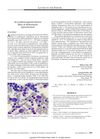
October 2018 in “Infectious diseases in clinical practice” Azithromycin can rarely cause a severe drop in white blood cells.