
Afro-textured hair is more fragile and prone to certain scalp conditions, requiring careful treatment and more research for effective management.
 2 citations
,
August 2010 in “Journal of the American Academy of Dermatology”
2 citations
,
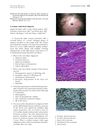
August 2010 in “Journal of the American Academy of Dermatology” A 65-year-old woman has a growing bald spot on her scalp.
 1 citations
,
July 2016 in “Elsevier eBooks”
1 citations
,
July 2016 in “Elsevier eBooks” Understanding skin structure and development helps diagnose and treat skin disorders.
 1 citations
,
January 2014 in “Hair therapy & transplantation”
1 citations
,
January 2014 in “Hair therapy & transplantation” Platelet-rich plasma treatment is not very effective for chronic severe alopecia areata.
 1 citations
,
June 2012 in “Actas Dermo-Sifiliográficas”
1 citations
,
June 2012 in “Actas Dermo-Sifiliográficas” Early and aggressive treatment of scarring alopecia is important to prevent further hair follicle damage.
 February 2026 in “Ciencia Latina Revista Científica Multidisciplinar”
 Early recognition of skin issues in immunocompromised patients is crucial for better outcomes.

Autologous platelet concentrates help heal and regenerate dental tissues.
 May 2024 in “SPIRE - Sciences Po Institutional REpository”
 Understanding and treating alopecia areata improves patient care.
 December 2023 in “LA Referencia (Red Federada de Repositorios Institucionales de Publicaciones Científicas)”
 Both photobiomodulation and low-frequency treatments effectively reduce body measurements.
 July 2018 in “Elsevier eBooks”
 Some drugs can cause reversible hair loss, but certain chemotherapy drugs may lead to permanent hair loss; drugs can also change hair color and texture.
4 citations
,
August 2024 in “Journal of Cosmetic Dermatology” The non-cross-linked hyaluronic acid compound effectively and safely improves keratosis pilaris.
October 2025 in “Preprints.org” Adipose mesenchymal stem cells are best for skincare because they reduce inflammation and are safe and effective.
4 citations
,
December 2023 in “Frontiers in Pharmacology” Topical metformin effectively treats melasma with minimal side effects.
 May 2026 in “Nature Communications”
 Targeting catecholaminergic signaling may help treat keloid scars.
3 citations
,
January 2016 in “Dermatology online journal” Some people with lichen planus pigmentosus might later develop frontal fibrosing alopecia.
 June 2024 in “British Journal of Dermatology”
 KRT14 gene variants cause dermatopathia pigmentosa reticularis, affecting nails, teeth, and hair.
36 citations
,
September 2015 in “Orphanet Journal of Rare Diseases” Revertant cell therapy could be a future treatment for Ichthyosis with confetti.
1 citations
,
July 2025 in “Indian Dermatology Online Journal” Certain hair and scalp features indicate a worse outcome in alopecia areata.
4 citations
,
November 2020 in “Case reports in dermatology” A rare skin condition causes red, dark, bumpy facial lesions.
 November 2022 in “JAAD case reports”
 A man with skin and hair symptoms improved partially with specific treatment.
3 citations
,
September 1998 in “International Journal of Dermatology” Acitretin effectively improved the woman's skin condition.
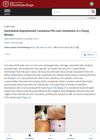 May 2024 in “Indian Journal of Dermatology”
 The woman has a rare skin condition called follicular Dowling-Degos disease, which has limited treatment options.
10 citations
,
April 2020 in “Journal of Mind and Medical Sciences” Excimer laser therapy can be an alternative for treating superficial morphea when topical steroids don't work.
5 citations
,
December 2023 in “Clinical Case Reports” Adalimumab effectively stabilized severe folliculitis decalvans, preventing further hair loss and inflammation.
May 2025 in “International Journal of Trichology” Laser hair removal might help prevent trichoepithelioma lesions, but more testing is needed.
November 2014 in “The Pediatric Infectious Disease Journal” The child was diagnosed with a skin condition involving inflamed hair follicles.
3 citations
,
September 2018 in “JAAD case reports” A Japanese man with rare skin conditions improved with hydroxychloroquine treatment.
 June 2026 in “Preprints.org”
 Atorvastatin in a keratin hydrogel may help treat skin scars effectively.
 January 2025 in “Indian Journal of Paediatric Dermatology”
 Biopsy is crucial to correctly diagnose granuloma annulare, which can mimic other conditions like alopecia mucinosa.
February 2009 in “Journal of the American Academy of Dermatology”