41 citations
,
October 2019 in “Biomolecules” Retinoic acid can either maintain stem cells or make them specialize, depending on the cell type.
 1 citations
,
March 2015 in “Journal of Cutaneous Medicine and Surgery”
1 citations
,
March 2015 in “Journal of Cutaneous Medicine and Surgery” Eyebrow hair transplants can regrow after high-dose radiation therapy.
1 citations
,
October 2025 in “Ophthalmology Science” Lower doses of topotecan are safe for eyes, but higher doses may harm the retina.
October 2008 in “DOAJ (DOAJ: Directory of Open Access Journals)” A 20-month-old girl had a rare adrenal tumor removed successfully, with no recurrence for 10 years.
1 citations
,
April 2023 in “Journal of the European Academy of Dermatology and Venereology” The balance between cell renewal and differentiation controls the growth of cancerous cells in mouse skin.
 127 citations
,
July 2002 in “EMBO journal”
127 citations
,
July 2002 in “EMBO journal” Normal skin cell renewal doesn't need RAR signaling, but vitamin A-related skin thickening does.
 42 citations
,
August 1999 in “The American journal of pathology”
42 citations
,
August 1999 in “The American journal of pathology” Basal cell carcinomas have much higher levels of Vitamin D3 receptors compared to healthy skin.
5 citations
,
January 2017 in “Arquivos Brasileiros de Oftalmologia” A rare genetic disorder causes sparse hair and vision loss due to a CDH3 gene mutation.
27 citations
,
December 2005 in “Journal of Cutaneous Pathology” The malignant pilomatricoma showed strong epithelial keratin expression, suggesting it may not calcify.
9 citations
,
June 2017 in “American journal of ophthalmology. Case reports” A new mutation in the CDH3 gene causes hair loss and vision problems in a young girl.
June 2018 in “Chinese Journal of Dermatology” Connective tissue nevi have distinct features, and reflectance confocal microscopy is useful for early diagnosis.
2 citations
,
January 2014 in “Photochemical & photobiological sciences” Grasp protein helps maintain skin health after UVB exposure.
January 2022 in “Menoufia Medical Journal /Menoufia Medical Journal” Higher levels of retinol-binding protein 4 are found in people with alopecia areata, but these levels don't relate to how severe the condition is.
 February 2022 in “International Journal of Research in Dermatology”
 Tretinoin alone is more effective than combined with microdermabrasion for long-term alopecia areata treatment.
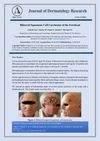
A 70-year-old man with skin cancer on both sides of his forehead was treated with surgery and cryotherapy, highlighting the need for early detection and prevention.
 2 citations
,
October 2022 in “British journal of haematology”
2 citations
,
October 2022 in “British journal of haematology” A girl with Evans' syndrome had her low platelet count successfully treated with zanubrutinib.
 February 2013 in “Journal of The American Academy of Dermatology”
 A boy with a rare birthmark called verrucous hemangioma needed careful timing for surgery due to its size and depth.
 January 2025 in “Dermatology Review”
 Trichilemmal carcinoma is rare, usually benign after removal, but needs close follow-up due to recurrence risks.
Newer retinoid drugs are effective for skin conditions but have significant side effects.
 2 citations
,
September 2022 in “Annals of Medicine and Surgery”
2 citations
,
September 2022 in “Annals of Medicine and Surgery” A man with a rare scalp cancer was successfully treated, highlighting the need for early management to prevent spread and complications.
June 2026 in “Clinical Case Reports” Topical minoxidil and tretinoin improved hair growth in a girl with EDSS1 over two years.
 21 citations
,
March 2015 in “Journal of The American Academy of Dermatology”
21 citations
,
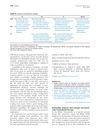
March 2015 in “Journal of The American Academy of Dermatology” Vemurafenib therapy can cause hair loss, but clobetasol propionate foam can help regrow hair.
 1 citations
,
March 2026 in “American Journal of Clinical Dermatology”
1 citations
,
March 2026 in “American Journal of Clinical Dermatology” Ritlecitinib effectively regrows hair in severe alopecia areata, especially in adolescents.
 1 citations
,
April 1953 in “Acta Radiologica”
1 citations
,
April 1953 in “Acta Radiologica” Irradiating the whole central nervous system can lead to over 50% of patients with cerebellar medulloblastoma surviving three years.
20 citations
,
December 2021 in “Journal of the American Academy of Dermatology” Continuous treatment with ritlecitinib and brepocitinib is needed to maintain hair regrowth in alopecia areata.
 April 2018 in “Journal of Investigative Dermatology”
 NDRG1 protein helps infantile hemangioma, a common infant tumor, to grow, and its mismanagement by FOXO1 protein plays a big role in causing the tumor.
1 citations
,
September 2023 in “Journal of the American Academy of Dermatology” Continued ritlecitinib treatment can lead to hair regrowth in some patients with alopecia areata who initially don't respond.
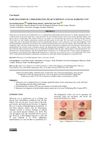 March 2022 in “Folia Medica Indonesiana”
 The lump on a woman's scalp was a rare, potentially cancerous tumor from the hair follicle, not a common cyst.
September 2024 in “Dermatologica Sinica” Ponatinib can cause a rare skin reaction that resolves with topical treatment and temporary drug discontinuation.