September 2017 in “The journal of investigative dermatology/Journal of investigative dermatology” Different types of human skin cells respond uniquely to various colors and doses of light, which could lead to specialized light treatments for skin conditions.
 April 2018 in “Journal of Investigative Dermatology”
 Resveratrol activates the Nrf2 pathway in human skin, significantly increasing the production and distribution of the antioxidant glutathione.
1 citations
,
September 2023 in “Journal of the American Academy of Dermatology” Continued ritlecitinib treatment can lead to hair regrowth in some patients with alopecia areata who initially don't respond.
 41 citations
,
June 2010 in “Anais Brasileiros de Dermatologia”
41 citations
,
June 2010 in “Anais Brasileiros de Dermatologia” Isotretinoin is safe and effective for acne, with common side effects like dry lips; serious side effects are rare.
November 2024 in “Skin Appendage Disorders” Clinicians should consider individual factors and communicate risks and benefits when prescribing ritlecitinib for adolescent alopecia areata.
 October 2015 in “Reactions Weekly”
 A woman got a scalp condition from using latanoprost, but it improved after stopping the drug and starting other treatments.
 August 2019 in “Journal of The American Academy of Dermatology”
 RV3466F lotion significantly reduces hair loss and improves acute telogen effluvium.
Isotretinoin is recommended for acne treatment as it is as effective as cyproterone compound.
 34 citations
,
August 2002 in “British Journal of Dermatology”
34 citations
,
August 2002 in “British Journal of Dermatology” ALA-PDT is effective and safe for chronic X-ray dermatitis, providing complete or partial remission.
March 2026 in “SKIN The Journal of Cutaneous Medicine” Ritlecitinib is being tested for safety and effectiveness in young children with severe alopecia areata.
 4 citations
,
July 2005 in “International Journal of Dermatology”
4 citations
,
July 2005 in “International Journal of Dermatology” Topical PUVA and tacrolimus ointment can effectively and safely treat infant alopecia universalis.
 3 citations
,
December 2000 in “International Journal of Cosmetic Science”
3 citations
,
December 2000 in “International Journal of Cosmetic Science” The study created a new method to test drugs that affect hormone processing in skin.
July 2025 in “Journal of Investigative Dermatology” TRIV-509 quickly improves skin barrier and cell health in atopic dermatitis.
 April 2017 in “Journal of Investigative Dermatology”
 The document concludes that various topical treatments show promise for skin conditions like atopic dermatitis, psoriasis, and hair loss.
 29 citations
,
March 1983 in “Journal of The American Academy of Dermatology”
29 citations
,
March 1983 in “Journal of The American Academy of Dermatology” New treatments for psoriasis have improved effectiveness and may reduce long-term side effects when combined with standard therapies.
23 citations
,
October 2024 in “British Journal of Dermatology” Ritlecitinib effectively treats alopecia areata and is safe for long-term use in people 12 and older.
 October 2023 in “bioRxiv (Cold Spring Harbor Laboratory)”
 Early regulatory T cells are crucial for normal skin pigmentation.
84 citations
,
September 2008 in “Developmental biology” Retinoic acid-binding proteins in skin are regulated by β-catenin and Notch signalling.
23 citations
,
June 1992 in “PubMed” RAR-gamma 1 is important for normal skin maintenance and differentiation.
 41 citations
,
January 2007 in “Journal of Korean Medical Science”
41 citations
,
January 2007 in “Journal of Korean Medical Science” Minoxidil and ATRA together boost hair growth more effectively than minoxidil alone.
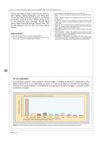
The document corrects a mistake by stating that pimecrolimus, not tacrolimus, is the drug that concentrates in the skin.
September 2015 in “Photodiagnosis and Photodynamic Therapy”  1 citations
,
March 2024 in “Science”
1 citations
,
March 2024 in “Science” Vitamin A helps skin stem cells decide their function, aiding in hair growth and wound repair.
9 citations
,
July 2019 in “Dermatologic therapy” Alitretinoin can effectively treat frontal fibrosing alopecia.
 July 1996 in “Clinical and Experimental Dermatology”
 Putting calcipotriol ointment on the skin once doesn't change calcium levels in the body right away.
46 citations
,
April 1982 in “Journal of the American Academy of Dermatology” Isotretinoin shrinks sebaceous glands without affecting hair or skin color, unlike etretinate.
 May 2025 in “Journal of the Egyptian Womenʼs Dermatologic Society”
 Vitamin D3 is a safe and effective alternative to steroids for treating alopecia areata, with fewer side effects.
18 citations
,
June 1993 in “Archives of Dermatological Research” Human hair follicles can be used to create skin-like tissue for wound healing and drug testing.
April 2023 in “Journal of Investigative Dermatology” Increased TEMRA cells can predict treatment outcomes in rapidly progressive alopecia areata.
8 citations
,
January 2013 in “European Journal of Dermatology” Alitretinoin may help treat alopecia areata.