February 2026 in “Journal of Cosmetic Dermatology” SEREVELLE safely and effectively promotes hair growth in adults with thinning hair.
 May 2025 in “Journal of the Egyptian Womenʼs Dermatologic Society”
 Vitamin D3 is a safe and effective alternative to steroids for treating alopecia areata, with fewer side effects.
 November 2024 in “Journal of Cosmetic Dermatology”
 Valproic acid microemulsions improve skin delivery compared to regular solutions.
 4 citations
,
February 2011 in “Dermatology reports”
4 citations
,
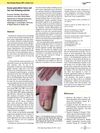
February 2011 in “Dermatology reports” Acitretin can cause excess tissue growth and hair loss.
4 citations
,
September 2020 in “Journal of Mind and Medical Sciences” The new sunscreen cream is effective, safe, and has good skin qualities.
December 2025 in “Journal of the European Academy of Dermatology and Venereology” The correction does not change the study's main findings.
6 citations
,
November 2020 in “Clinical Cosmetic and Investigational Dermatology” Both concentrations of triamcinolone acetonide are effective for hair regrowth in patchy alopecia areata, but 5 mg/mL is recommended to reduce side effects.
 December 2024 in “Cell Communication and Signaling”
 Fat tissue vesicles protect skin from UV damage better than stem cell vesicles.
16 citations
,
January 2021 in “Journal of the American Academy of Dermatology” Asynchronous telemedicine for acne treatment is effective and improves access and productivity.
 October 2007 in “Inpharma Weekly” 50 citations
,
December 2017 in “Nanoscale”
October 2007 in “Inpharma Weekly” 50 citations
,
December 2017 in “Nanoscale” Polymeric micelle nanocarriers deliver adapalene more effectively to hair follicles than commercial products.
Isotretinoin delays bone development in young rats.
1 citations
,
January 2024 in “Pharmaceuticals” A new carrier improves skin delivery of tofacitinib for treating inflammatory skin diseases.
29 citations
,
December 1953 in “Journal of Investigative Dermatology” July 2024 in “Journal of Investigative Dermatology” ATR12-351 ointment safely delivers LEKTI protein to the skin, reducing enzyme activity in Netherton syndrome.
159 citations
,
July 2014 in “Molecular pharmaceutics” New micelle nanocarriers deliver Tacrolimus more effectively to skin layers for psoriasis treatment than the current Protopic ointment.
Combining ATRA with TPO-RA effectively stabilizes platelet counts in ITP patients.
4 citations
,
November 2023 in “SKIN The Journal of Cutaneous Medicine” Ritlecitinib is safe for treating alopecia areata for up to 48 weeks.
November 2025 in “Journal of Cosmetic Dermatology” Saw palmetto extract safely improves hair growth and reduces hair loss.
2 citations
,
May 2021 in “Neuropathology & applied neurobiology/Neuropathology and applied neurobiology” Correct diagnosis and treatment are crucial for effective management of lipid storage myopathies.
 June 2026 in “Ophthalmology and Therapy”
 Near-infrared and red-light therapy shows promise for eye diseases, but more research is needed to confirm its safety and effectiveness.
 January 2023 in “Food and nutrition sciences”
 Most people using the supplement Renew saw health improvements, especially in sleep and energy, faster than with regular vitamins.
September 2015 in “Photodiagnosis and Photodynamic Therapy” August 2026 in “Journal of Drug Delivery Science and Technology” 6 citations
,
January 2021 in “Journal of Cosmetic Dermatology” FUE with topical CBD effectively treats stable vitiligo.
January 2019 in “Egyptian Journal of Dermatology and Venereology /Egyptian Journal of Dermatology and Venerology” Mixing calcipotriol with a steroid is almost as effective as using a steroid alone for alopecia areata and has fewer side effects.
 32 citations
,
September 2017 in “Journal of the American Academy of Dermatology”
32 citations
,
September 2017 in “Journal of the American Academy of Dermatology” Oral isotretinoin effectively treats yellow facial papules in frontal fibrosing alopecia patients.
July 2026 in “Journal of Cutaneous and Aesthetic Surgery” Vitamin D3 injections are as effective and potentially safer than TAC for treating alopecia areata.
 77 citations
,
January 1980 in “Carcinogenesis”
77 citations
,
January 1980 in “Carcinogenesis” TPA is about 50 times more effective at promoting tumors than MZ.
 3 citations
,
September 2024 in “Dermatology and Therapy”
3 citations
,
September 2024 in “Dermatology and Therapy” Previous alopecia areata treatments do not affect the long-term effectiveness of ritlecitinib.