 77 citations
,
December 2010 in “The journal of investigative dermatology/Journal of investigative dermatology”
77 citations
,
December 2010 in “The journal of investigative dermatology/Journal of investigative dermatology” Human skin cells produce proenkephalin, which changes with environmental factors and skin diseases.
 51 citations
,
March 2019 in “Journal of cellular physiology”
51 citations
,
March 2019 in “Journal of cellular physiology” Platelet lysate is a promising, cost-effective option for regenerative medicine with potential clinical applications.
22 citations
,
September 2020 in “The journal of investigative dermatology/Journal of investigative dermatology” The study's results on the effectiveness of low-dose IL-2 for alopecia areata and its impact on immune cells were not provided.
33 citations
,
June 2021 in “Dermatologic Therapy” COVID-19 vaccines can trigger autoimmune flares but are still beneficial for patients with autoimmune conditions.
July 2025 in “Journal of Investigative Dermatology” TRIV-509 quickly improves skin barrier and cell health in atopic dermatitis.
59 citations
,
March 2003 in “The Lancet” Imatinib can repigment grey hair, while SU11428 can cause temporary hair depigmentation.
4 citations
,
October 2019 in “Acta Médica Costarricense” More research is needed to standardize and prove the effectiveness of platelet-rich plasma treatments.
January 2025 in “SiSli Etfal Hastanesi Tip Bulteni / The Medical Bulletin of Sisli Hospital” PRP injections are safe and effective for alopecia areata, but steroids are still the preferred treatment.
5 citations
,
April 2017 in “The journal of investigative dermatology/Journal of investigative dermatology” The gene therapy showed significant wound healing and was safe for treating severe RDEB.
 68 citations
,
September 2003 in “British Journal of Dermatology”
68 citations
,
September 2003 in “British Journal of Dermatology” Shrinking skin cancer increases the chance of cancer in nearby lymph nodes.
2 citations
,
March 2020 in “JAAD case reports” A leukemia patient showed skin peeling similar to kwashiorkor, a severe protein deficiency.
August 2024 in “Postgraduate Medical Journal” A rare skin reaction from cancer treatment was successfully managed with topical treatments and antihistamines.
May 2025 in “CPT Pharmacometrics & Systems Pharmacology” A 50 mg non-loading dose of ritlecitinib is safe for adults and adolescents.
 June 2026 in “Indian Journal of Postgraduate Dermatology”
 Rash from EGFRI treatment can indicate both side effects and treatment effectiveness.
24 citations
,
July 2021 in “Pharmaceutics” Ruxolitinib cream effectively targets and treats inflammatory skin diseases.
 1 citations
,
May 2025 in “Natural Products and Bioprospecting”
1 citations
,
May 2025 in “Natural Products and Bioprospecting” PEVIII is a promising treatment for Pseudomonas aeruginosa keratitis.
January 1964 in “OSTI OAI (U.S. Department of Energy Office of Scientific and Technical Information)” CXCL7 is essential for muscle repair by aiding early neutrophil infiltration.
January 2025 in “Archives of Dermatological Research” 36 citations
,
December 2021 in “The journal of allergy and clinical immunology/Journal of allergy and clinical immunology/The journal of allergy and clinical immunology” Two drugs, ritlecitinib and brepocitinib, improved scalp hair loss condition markers.
 March 2024 in “Journal of cosmetic dermatology”
 Platelet-rich plasma (PRP) is an effective treatment for lichen planopilaris.
 October 2023 in “Journal of Advanced Sciences”
 Platelet Rich Fibrin (PRF) is a safe, effective tool for tissue regeneration and healing in various medical fields.
10 citations
,
January 2020 in “Journal of Materials Chemistry B” The biofilm enhances skin healing by promoting cell growth and blood vessel formation.
 October 2025 in “Infection Control and Hospital Epidemiology”
 Standardized protocols are crucial for safe and infection-free platelet-rich plasma therapy.
April 2023 in “Journal of Investigative Dermatology” RNase L suppresses regeneration in mammals.
 9 citations
,
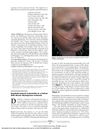
May 2013 in “JAMA Dermatology”
9 citations
,
May 2013 in “JAMA Dermatology” A woman's hair turned white after taking a cancer drug called dasatinib.
10 citations
,
May 2020 in “Dermatologic therapy” Tildrakizumab significantly improved recalcitrant lichen planopilaris and frontal fibrosing alopecia.
November 2025 in “Journal of Investigative Dermatology” KLHL24-mutant stem cells help understand skin and heart disease.
March 2022 in “Oncology Times” Tebentafusp-tebn improves survival rates in uveal melanoma patients but has common side effects like rash and fatigue.

Elastin-like recombinamers show promise for better wound healing and skin regeneration.
September 2023 in “Journal of the American Academy of Dermatology”