5 citations
,
March 2017 in “Gene” CAP1 decreases the expression of a hair-related protein in young Tan sheep's skin.
11 citations
,
August 2025 in “Journal of Periodontal Research” Platelet-rich fibrin (PRF) is better for natural healing, especially in dental and medical treatments.
20 citations
,
January 2010 in “Biological Trace Element Research” 2 citations
,
January 2023 in “Skin Appendage Disorders” Frontal fibrosing alopecia may run in families.
1 citations
,
August 2024 in “Animals” KRT85 gene variations can help improve wool traits in sheep through selective breeding.
 February 2013 in “Journal of Visualized Experiments”
 The document's conclusion cannot be provided because the document is not available for analysis.
 March 2023 in “JAAD case reports”
 A new genetic change in the keratin 10 gene caused a skin condition called ichthyosis hystrix in a father and his daughter.
20 citations
,
April 2014 in “Autoimmunity” A specific gene variant (rs4833095) is linked to a higher risk of alopecia areata in Koreans.
 September 2019 in “Journal of Investigative Dermatology”
 Specialized ribosomes affect aging in human skin cells.
7 citations
,
June 2017 in “Gene” Overexpression of FGF5s makes Chinese Merino sheep grow longer and heavier wool.
November 2020 in “UNC Libraries” Seven new genetic risk areas for prostate cancer were found.
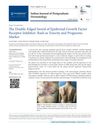 June 2026 in “Indian Journal of Postgraduate Dermatology”
 Rash from EGFRI treatment can indicate both side effects and treatment effectiveness.
January 2006 in “Zhongguo yaoke daxue xuebao” The method accurately measures vinflunine in dog plasma.
January 2018 in “Journal of analytical, bioanalytical and separation techniques” 24 citations
,
May 2022 in “BMC Veterinary Research” lncRNAs play a key role in hair follicle development, affecting cashmere quality and yield.
6 citations
,
April 2005 in “Journal of dermatological science” The study found nine new hair protein genes in human hair follicles.
Genetic factors might cause fibrosing alopecia linked to hair shaft abnormalities.
44 citations
,
January 2023 in “New Phytologist” FER and TOR signaling help root hair growth in low temperature and low nitrate conditions.
May 2023 in “Pharmaceuticals” Three specific mutations in the LIPH gene can cause hair loss by damaging the protein's structure and function.
 July 2022 in “New Zealand journal of agricultural research”
 The KRTAP27-1 gene variations in sheep may affect wool length and weight.
13 citations
,
June 2024 in “BMC Genomics” The research helps understand hair development in sheep, aiding in better wool breeding.
 111 citations
,
October 2008 in “Nature Genetics”
111 citations
,
October 2008 in “Nature Genetics” Researchers found a new gene area linked to male-pattern baldness, which, along with another gene, significantly increases the risk of hair loss in men.
November 2024 in “NeoReviews” An extremely low-birthweight infant had a rare genetic skin disease and died despite treatment.
 May 2024 in “Journal of the Egyptian Women's Dermatologic Society /Journal of the Egyptian Women's Dermatologic Society”
 Combining fractional CO2 laser and PRP is very effective for treating female hair loss.
 98 citations
,
June 2001 in “Journal of biological chemistry/The Journal of biological chemistry”
98 citations
,
June 2001 in “Journal of biological chemistry/The Journal of biological chemistry” A cluster of sulfur-rich hair protein genes was found on chromosome 17.
 1 citations
,
January 2020 in “Skin appendage disorders”
1 citations
,
January 2020 in “Skin appendage disorders” A family was found with both Trichorhinophalangeal syndrome and Loose Anagen Syndrome, suggesting a genetic connection.
37 citations
,
October 2006 in “Archives of Biochemistry and Biophysics” A unique gene mutation causes vitamin D-resistant rickets without causing hair loss.
48 citations
,
July 2023 in “Pediatric Dermatology” Ritlecitinib effectively regrows hair in adolescents with alopecia areata and is safe.
January 2014 in “China Feed” Higher expression of the keratin-associated protein 8.1 gene in Liaoning cashmere goats is linked to finer cashmere fibers.
January 1990 in “Advances in forensic haemogenetics” Human hair protein patterns are inherited genetically.