12 citations
,
October 2015 in “Journal of bioactive and compatible polymers” Keratin hydrogel from human hair is a promising biocompatible material for soft tissue fillers.
 12 citations
,
June 2018 in “Journal of Cosmetic Dermatology”
12 citations
,
June 2018 in “Journal of Cosmetic Dermatology” PRP is effective for hair loss and might work better with other treatments, but more research is needed.
 9 citations
,
June 2021 in “International Journal of Pharmaceutics”
9 citations
,
June 2021 in “International Journal of Pharmaceutics” Using polymeric micelles to deliver spironolactone topically could improve wound healing in skin affected by glucocorticoids.
 1 citations
,
May 2002 in “British Journal of Dermatology”
1 citations
,
May 2002 in “British Journal of Dermatology” Hair loss caused by longer latent hair cycle and sudden miniaturization, not gradual follicle size reduction.

Shock wave therapy improved muscle function and movement in children with spastic cerebral palsy.
 March 2024 in “Journal of drugs in dermatology”
 HASHA is a safe and effective option for chin augmentation.
 November 2023 in “Dermatology Research and Reports”
 A stable ivermectin cream may effectively treat rosacea without long-term antibiotics.
 June 2022 in “Research Square (Research Square)”
 Hair follicle stem cells can help heal intestinal injuries in rats.
 March 2010 in “International Journal of Cosmetic Science”
 Disulfide bonds affect the melting behavior of hair's crystalline structure, but hair retains some stability even after these bonds are broken.
 May 2002 in “British Journal of Dermatology”
 A pregnant woman's skin condition improved after giving birth, possibly due to high estrogen levels during pregnancy.
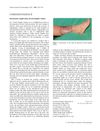 May 2002 in “British Journal of Dermatology”
 Hair loss caused by longer latent hair cycle and sudden miniaturization, not gradual follicle size reduction.
November 2023 in “Applied sciences” Pig blood can be used to mass-produce stable, low-cost platelet dry powder for medical use.
 10 citations
,
November 1984 in “Journal of Colloid and Interface Science”
10 citations
,
November 1984 in “Journal of Colloid and Interface Science” The study found that the Marangoni effect causes the uneven wetting of surfactant-coated hair due to the surfactant moving into the water.
 April 2026 in “Diagnostics”
 PRP treatment improves chronic tendinopathy, and imaging biomarkers can track tendon changes.
October 2024 in “Acta Biomaterialia” Collagen makes skin stiff, and preservation methods greatly increase tissue stiffness.
2 citations
,
June 2021 in “Bezmialem Science” The best speed for preparing platelet-rich plasma with PRPBAG® is 1800 rpm.
May 2009 in “International Journal of Cosmetic Science” Permanent waving damages hair protein and weakens hair, especially with repeated treatments using sodium thioglycolate.
June 2026 in “Precision medicine and engineering.” The hydrogel dressing RD@PVA helps heal diabetic wounds by reducing stress and improving blood vessel growth.
Treating hair with 1M sodium hydroxide increases its friction, making it better for small medical knots.
August 2024 in “Journal of Clinical Medicine” PRP shows promise but lacks consistent evidence and regulation.
 6 citations
,
April 2022 in “Frontiers in cell and developmental biology”
6 citations
,
April 2022 in “Frontiers in cell and developmental biology” The research identified key proteins and genes that may influence wool bending in goats.
1 citations
,
October 2025 Smart hydrogels improve wound healing by adapting to needs and releasing medicine.
5 citations
,
September 2013 in “BMB Reports” BMPR1a-ECD reduces wrinkles much more effectively than retinoic acid.
 September 2025 in “Animal Bioscience”
 Key genes and pathways affect wool fiber thickness, improving wool quality.
3 citations
,
March 2010 in “International Journal of Cosmetic Science” Functionalized silicones improve hair appearance, combing, and manageability.
51 citations
,
September 2012 in “Biomacromolecules” Disulfide bonds make keratin in hair stronger and tougher.
November 2022 in “Asian Journal of Pharmaceutical Research” The hydrogel with Finasteride provides controlled, sustained drug release and improved bioavailability.
5 citations
,
June 2024 in “Regenerative Therapy” Storing PRP at -80 °C keeps growth factors stable for at least 6 months.
June 2026 in “Clay Minerals” Clay minerals are promising for better wound dressings due to their absorption, compatibility, and potential for improved healing.
January 2016 in “Frontiers in Bioengineering and Biotechnology” A wool hair keratin hydrogel is promising for growing cells and tissue engineering.