8 citations
,
June 2004 in “Journal of Investigative Dermatology” Certain peptides can prevent hair loss in young rats caused by a cancer drug.
 28 citations
,
February 2012 in “PLoS ONE”
28 citations
,
February 2012 in “PLoS ONE” A PKP1 gene mutation causes skin fragility and hair loss in Chesapeake Bay retriever puppies.
78 citations
,
November 2005 in “Endocrinology” Hairless protein can block vitamin D activation in skin cells.
 74 citations
,
September 2006 in “Cell Cycle”
74 citations
,
September 2006 in “Cell Cycle” The HR protein's role as a repressor is essential for controlling hair growth.
PTHrP is important for bone formation and may be targeted for osteoporosis treatment and longevity therapies.
 4 citations
,
January 2017 in “Journal of pediatric endocrinology & metabolism/Journal of pediatric endocrinology and metabolism”
4 citations
,
January 2017 in “Journal of pediatric endocrinology & metabolism/Journal of pediatric endocrinology and metabolism” Two different mutations in the vitamin D receptor gene cause different symptoms and responses to treatment in Lebanese patients with hereditary rickets.
 12 citations
,
June 2020 in “Frontiers in Cell and Developmental Biology”
12 citations
,
June 2020 in “Frontiers in Cell and Developmental Biology” The PP2A-B55α protein is essential for brain and skin development in embryos.
August 2009 in “Mechanisms of Development” 12 citations
,
March 2012 in “JEADV. Journal of the European Academy of Dermatology and Venereology/Journal of the European Academy of Dermatology and Venereology” A specific gene mutation in Japanese people can cause varying degrees of hair thinning in adulthood.
 10 citations
,
February 2008 in “Photochemistry and photobiology”
10 citations
,
February 2008 in “Photochemistry and photobiology” Vitamin D receptor can control the hairless gene linked to hair loss even without vitamin D.
12 citations
,
December 2013 in “Immunological Investigations” The SNP rs6457452 is linked to a higher risk of alopecia areata in Koreans.
 June 2026 in “Frontiers in Cell and Developmental Biology”
 LHX2 is crucial for development, tissue repair, and preventing diseases.
February 2026 in “Pediatric Dermatology” 194 citations
,
November 2006 in “Science” A genetic mutation in the LIPH gene causes hair loss and growth defects.
 September 2016 in “Journal of Dermatological Science”
 Certain gene mutations in Japanese people are linked to different types of hair loss, with some causing mild hair thinning and others leading to complete baldness.
 45 citations
,
January 2010 in “Journal of Veterinary Medical Science”
45 citations
,
January 2010 in “Journal of Veterinary Medical Science” A gene mutation causes curly hair and hair loss in rats.
3 citations
,
July 2022 in “Brain and Behavior” The HtrA1L364P mutation causes brain dysfunction and blood vessel damage.
8 citations
,
January 2014 in “Indian Journal of Paediatric Dermatology” Congenital atrichia with papular lesions causes permanent hair loss and skin bumps from birth.
4 citations
,
January 2016 in “Methods in molecular biology” HAP stem cells can repair nerves, grow hair follicle nerves, and become heart muscle cells, making them useful for regenerative medicine.
June 2010 in “Chinese Journal of Dermatology” A new gene mutation is linked to monilethrix in the studied family.
 11 citations
,
August 2010 in “Developmental neurobiology”
11 citations
,
August 2010 in “Developmental neurobiology” Ptprq has multiple forms that change during inner ear development.
50 citations
,
September 2009 in “Molecular Genetics and Metabolism” A new gene mutation causes vitamin D resistance and rickets, treatable with calcium therapy.
 April 2019 in “Journal of Investigative Dermatology”
 Non-coding RNA boosts retinoic acid production and signaling, aiding regeneration.
5 citations
,
September 2011 in “Biochimica et Biophysica Acta (BBA) - Molecular Basis of Disease” Hairless protein helps control hair growth by regulating vitamin D receptor activity.
232 citations
,
January 2002 in “Mechanisms of development” Different enzymes are active in different parts of developing mouse organs.
April 2017 in “The journal of investigative dermatology/Journal of investigative dermatology” Human hair follicles can be used to create heart muscle cells.
215 citations
,
September 2003 in “Journal of Biological Chemistry” Vitamin D receptor and hairless protein are essential for hair growth.
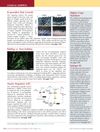 July 2016 in “Journal of Investigative Dermatology”
 R-spondin2 may help treat hair loss, gene differences could explain baldness, a peptide's regulation is linked to psoriasis, B-defensin gene copies may affect a skin condition's risk and severity, and potential markers and targets for alopecia areata were identified.
8 citations
,
June 2023 in “Acta Biochimica et Biophysica Sinica” rRSPO1 protein boosts hair growth by activating a key signaling pathway.
47 citations
,
October 2021 in “Journal of Nanobiotechnology” HPDAlR nanoparticles greatly improve skin wound healing without toxicity.