 80 citations
,
April 2017 in “Frontiers in Pharmacology”
80 citations
,
April 2017 in “Frontiers in Pharmacology” PDRN helps repair tissue and improve wound healing with a high safety profile.
 61 citations
,
April 2014 in “Radiation Research”
61 citations
,
April 2014 in “Radiation Research” RTA 408 cream protects mice from radiation skin damage.
39 citations
,
September 2018 in “American Journal of Medical Genetics Part A” A new genetic mutation in the ODC1 gene causes developmental delay and other symptoms in a young girl.
January 2018 in “bioRxiv (Cold Spring Harbor Laboratory)” The mutant HR bmh protein mis-localizes in cells, affecting skin and hair development.
65 citations
,
March 2004 in “Journal of Clinical Investigation” Inhibiting ornithine decarboxylase may help prevent certain skin cancers.
 2 citations
,
January 2016 in “Scientifica”
2 citations
,
January 2016 in “Scientifica” Researchers created a reliable method to measure dexpanthenol and resorcinol in hair products.
 30 citations
,
October 2020 in “Nature Communications”
30 citations
,
October 2020 in “Nature Communications” Finasteride irreversibly affects human steroid 5α-reductase 2, providing insight into its catalytic mechanism and disease-related mutations.
 April 2018 in “The journal of investigative dermatology/Journal of investigative dermatology”
 Double-stranded RNA helps regenerate hair follicles by increasing retinoic acid production and signaling.
10 citations
,
January 2014 in “Journal of Pediatric Endocrinology and Metabolism” Three new gene mutations cause rickets and hair loss, treatable with high calcium and calcidol, but hair regrowth is rare.
12 citations
,
October 1978 in “PubMed” Ro 10-9359 is an effective treatment for severe psoriasis but can cause side effects.
 6 citations
,
January 2014 in “Journal of pediatric endocrinology & metabolism/Journal of pediatric endocrinology and metabolism”
6 citations
,
January 2014 in “Journal of pediatric endocrinology & metabolism/Journal of pediatric endocrinology and metabolism” Three siblings with a genetic form of rickets showed different symptoms of the disease.
December 2005 in “Science s STKE” Localized ROS production is essential for cell growth and movement in plants and animals.
354 citations
,
August 1991 in “Molecular Endocrinology” Human adrenals and gonads have a unique enzyme for steroid hormone production.
 127 citations
,
July 2002 in “EMBO journal”
127 citations
,
July 2002 in “EMBO journal” Normal skin cell renewal doesn't need RAR signaling, but vitamin A-related skin thickening does.
 3 citations
,
January 1992 in “Clinical Pediatric Endocrinology”
3 citations
,
January 1992 in “Clinical Pediatric Endocrinology” Patients with the same vitamin D receptor mutation showed different symptoms due to other factors.
1 citations
,
January 1989 in “Carcinogenesis” Dexamethasone reduces inflammation and delays skin cell changes caused by TPA.
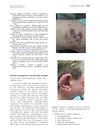
A 72-year-old man was diagnosed with a rare skin form of Rosai-Dorfman disease after years of misdiagnosis.
1 citations
,
May 2025 in “Cell Reports Medicine” RSPO1 could help create new diabetes treatments by increasing pancreatic β cells.
January 2004 in “Pharmaceutical biotechnology” Finasteride effectively inhibits the enzyme steroid 5 alpha-reductase II.
18 citations
,
November 2009 in “Calcified tissue international” A genetic mutation caused severe rickets and alopecia in an Indian patient, but high-dose calcium and phosphate treatment improved their condition.
October 2021 in “Scholarworks (University of Massachusetts Amherst)” FERONIA is crucial for plant growth, pollen tube reception, and sugar signaling.
34 citations
,
September 1997 in “Acta Dermato Venereologica” RXR agonists may promote hair growth in humans.
2 citations
,
January 1977 in “PubMed”  9 citations
,
November 2012 in “Biomolecules & therapeutics”
9 citations
,
November 2012 in “Biomolecules & therapeutics” A compound from brown algae boosts the production of a certain inflammatory substance in skin cells.
12 citations
,
June 2022 in “International Journal of Molecular Sciences” Copper boosts cell growth in rabbit hair follicles.
15 citations
,
January 1954 in “Endocrinology” Iodine in rat hair is linked to hair growth.

A new compound from Royoporus badius activates immune cells and induces inflammatory responses.
88 citations
,
October 1983 in “The Journal of clinical endocrinology and metabolism/Journal of clinical endocrinology & metabolism” Patients with this syndrome can have different responses and worsening resistance to treatment over time.
 7 citations
,
July 2020 in “Pigment cell & melanoma research”
7 citations
,
July 2020 in “Pigment cell & melanoma research” RT1640 treatment reverses gray hair and promotes hair growth in mice.
October 1990 in “Pediatric Research” Nocturnal calcium infusions improved a boy's severe rickets without causing hair loss.