 January 2021 in “Indian journal of sexually transmitted diseases and AIDS”
 A dermatologist helped identify syphilis in a teenager who only had hair loss.
 6 citations
,
July 2011 in “British Journal of Dermatology”
6 citations
,
July 2011 in “British Journal of Dermatology” A man with KID syndrome developed a rare cancer in a long-term skin infection.
July 2025 in “Zenodo (CERN European Organization for Nuclear Research)” Ritlecitinib helps regrow hair in alopecia areata and is safe for long-term use.
 14 citations
,
May 2013 in “Emerging infectious diseases”
14 citations
,
May 2013 in “Emerging infectious diseases” Cryptococcus gattii can remain dormant in animals for over 8 years.
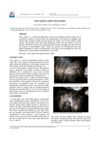
An adult Libyan woman was successfully treated for a rare scalp infection usually seen in children.
21 citations
,
December 2020 in “Journal of the European Academy of Dermatology and Venereology” 2 citations
,
March 2026 in “Journal of Dermatological Treatment” JAK inhibitors for alopecia areata have different safety risks, requiring specific monitoring for each drug.
6 citations
,
October 2001 in “British Journal of Ophthalmology” Intralesional cidofovir may be a viable treatment for conjunctival lesions in Melkersson-Rosenthal syndrome without systemic toxicity.
April 2024 in “Anais Brasileiros de Dermatologia” April 2026 in “Journal of Cutaneous Pathology” Alopecia can be caused by multicentric reticulohistiocytosis.
Ritlecitinib improves hair regrowth in alopecia areata without increasing adverse risks.
July 2024 in “Journal of Investigative Dermatology” A KLK5 inhibitor effectively improved skin symptoms in a mouse model of Netherton Syndrome.
September 2021 in “Pediatrics in review” A baby with KID syndrome died from infections and organ failure at 18 months old.
 1 citations
,
November 2024 in “Cureus”
1 citations
,
November 2024 in “Cureus” Recognizing RSCC is crucial due to its aggressive nature and high risk of poor outcomes.
4 citations
,
April 2007 in “Journal of Pediatric Gastroenterology and Nutrition” A liver transplant patient with APECED had a rare VZV recurrence and pneumonia, treated successfully, but later died from other infections.

A new syndrome, Teelwani Syndrome, combines features of two rare genetic disorders.
June 2024 in “Indian Journal of Veterinary Medicine” The young goat had anaplasmosis and copper deficiency.
Raptor and Rictor have stable expression in hair cycles, with Raptor marking stem cells and Rictor involved in hair shaft formation.
 62 citations
,
June 2015 in “Sexually Transmitted Infections”
62 citations
,
June 2015 in “Sexually Transmitted Infections” Sexual activity can spread T. interdigitale, needing quick antifungal treatment to avoid permanent scarring.
 June 2023 in “Small animal advances”
 Selamectin spot-on effectively treats scabies in rabbits.
 September 2023 in “Dermatology and therapy”
 Ritlecitinib effectively improves hair growth in alopecia areata patients, regardless of hair loss pattern.
46 citations
,
January 1988 in “PubMed” Hair follicle mites might spread harmful microorganisms.
 December 2024 in “Indian Journal of Veterinary Public Health”
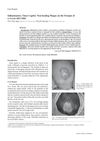
 Argentine-cross polo ponies commonly develop sarcoid tumors with distinct types and histopathological features.
 11 citations
,
May 2010 in “Annals of the Academy of Medicine Singapore”
11 citations
,
May 2010 in “Annals of the Academy of Medicine Singapore” Tinea capitis can cause scalp issues in children and should be considered in similar cases; treatment with griseofulvin and selenium sulfide is effective.
 November 2025 in “Mendeley Data”
 JAK inhibitors can be safely used in alopecia areata patients with latent hepatitis B or tuberculosis, with proper monitoring.
71 citations
,
January 2011 in “Journal of cutaneous pathology” A rare skin condition was confirmed to be associated with a specific virus in a young girl.
2 citations
,
July 2021 in “Genes” A specific genetic change in the KRT71 gene causes a hair loss condition in Hereford cattle.
1 citations
,
August 2024 in “British Journal of Dermatology” Ritlecitinib effectively promotes hair regrowth in alopecia areata patients, even with extensive hair loss.
 6 citations
,
May 1941 in “Science”
6 citations
,
May 1941 in “Science” Ducks can get the Rous sarcoma virus if infected shortly after birth, leading to tumors and disease spread.

Ritlecitinib helps reduce inflammation and promote hair regrowth in alopecia areata, especially in patchy-type cases.