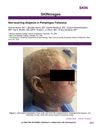
 January 2026 in “SKIN The Journal of Cutaneous Medicine”
 Rituximab treatment led to complete hair regrowth and improved skin in a woman with pemphigus foliaceus.
 7 citations
,
July 1990 in “Journal of the American Academy of Dermatology”
7 citations
,
July 1990 in “Journal of the American Academy of Dermatology” A woman with bullous pemphigoid had an allergic reaction to azathioprine, but got better with alternative treatments.
February 2026 in “Indian Dermatology Online Journal” Tofacitinib significantly improved skin and hair conditions without side effects.
 27 citations
,
August 2024 in “Frontiers in Pharmacology”
27 citations
,
August 2024 in “Frontiers in Pharmacology” Tralokinumab for atopic dermatitis may cause side effects like dizziness, headache, nausea, hair loss, and acne.
 238 citations
,
November 2016 in “Journal of The American Academy of Dermatology”
238 citations
,
November 2016 in “Journal of The American Academy of Dermatology” Tofacitinib is effective and safe for severe hair loss, but full regrowth is less likely after 10 years of hair loss.
 November 2023 in “Dermatologica sinica/Zhōnghuá pífūkē yīxué zázhì”
 Upadacitinib helped regrow hair in a severe alopecia areata patient but stopping treatment caused hair loss to return.
Olumiant® (Baricitinib) is effective for treating hair loss from Alopecia Areata.
10 citations
,
October 2011 in “Dermatologica Sinica” A patient with PPP had rare skin reactions to adalimumab, which improved after stopping smoking and continuing acitretin.
 July 2025 in “SKIN The Journal of Cutaneous Medicine”
 Adding dupilumab led to almost complete hair regrowth in a patient with alopecia areata who only partially responded to baricitinib.
 38 citations
,
January 2009 in “Journal of Cutaneous Medicine and Surgery”
38 citations
,
January 2009 in “Journal of Cutaneous Medicine and Surgery” A woman developed hair loss after starting a treatment with adalimumab, suggesting this medication might cause hair loss.
 1 citations
,
October 2020 in “Journal of Investigative Dermatology Symposium Proceedings”
1 citations
,
October 2020 in “Journal of Investigative Dermatology Symposium Proceedings” The summit concluded that new treatments like Jak inhibitors show promise for Alopecia Areata and personalized approaches are needed.
December 2020 in “Forum Dermatologicum” Intralesional triamcinolone acetonide can effectively limit the progression of GLPLS.
26 citations
,
October 2016 in “American journal of clinical dermatology” New treatments like JAK inhibitors show promise for reversing alopecia areata.
11 citations
,
June 2019 in “Journal of dermatology” New medicines that block a specific pathway are showing promise for treating severe hair loss but need more testing for safety and effectiveness.
1 citations
,
October 2025 in “Journal of Allergy and Clinical Immunology” A JAK1 variant causes hair loss, skin issues, and thyroid disease, but treatment with a specific inhibitor can help.
 February 2026 in “Reports — Medical Cases Images and Videos”
 Upadacitinib may help regrow hair in children with alopecia areata and is generally safe.
 December 2020 in “Dermatología argentina”
 A patient got a skin reaction on their hands and feet after using secukinumab for psoriasis.
 September 2017 in “The journal of investigative dermatology/Journal of investigative dermatology”
 Blocking CCR5 can prevent and improve hair loss in alopecia areata.
 June 2025 in “International Journal of Science and Research (IJSR)”
 Tofacitinib effectively promotes hair regrowth in alopecia areata with minimal side effects.
 2 citations
,
December 2022 in “PNAS nexus”
2 citations
,
December 2022 in “PNAS nexus” SCD-153 shows promise as an effective topical treatment for alopecia areata.
 6 citations
,
August 2013 in “Joint Bone Spine”
6 citations
,
August 2013 in “Joint Bone Spine” Tocilizumab treatment was associated with significant hair regrowth in one patient and temporary hair loss followed by regrowth in another.
December 2020 in “The journal of investigative dermatology/Journal of investigative dermatology” Papulopustular rosacea is an inflammatory skin condition treatable with lifestyle changes and medications.
November 2024 in “Rheumatology Advances in Practice” Ocrelizumab helped control lupus in a pregnant patient, leading to the birth of a healthy baby.
 2 citations
,
March 2022 in “Modern Rheumatology Case Reports”
2 citations
,
March 2022 in “Modern Rheumatology Case Reports” A medicine called tofacitinib worked to treat a hair loss condition linked with a muscle and skin disease.
Isotretinoin effectively improved severe pityriasis rubra pilaris with complications.
16 citations
,
April 2006 in “Pediatrics International” High-dose mizoribine effectively controls symptoms in adolescents with lupus while reducing steroid use, with manageable side effects.
 42 citations
,
November 2018 in “Archives of dermatological research”
42 citations
,
November 2018 in “Archives of dermatological research” Apremilast was not effective in treating moderate-to-severe alopecia areata.
 2 citations
,
September 2021 in “Curēus”
2 citations
,
September 2021 in “Curēus” Tofacitinib may be safe for COVID-19 patients with alopecia without worsening symptoms, based on two cases.
52 citations
,
February 2003 in “Archives of dermatology” 9-cis-retinoic acid showed some effectiveness in treating AIDS-related Kaposi sarcoma but had significant side effects at higher doses.
8 citations
,
January 2020 in “Indian Dermatology Online Journal” PRP works faster and is a safe alternative to steroids for treating alopecia areata.