Search
for
Sort by
Research
180-210 / 659 resultsresearch 42005 Sustained scalp, eyebrow, and eyelash hair regrowth with ritlecitinib through Week 48 in patients with alopecia areata: post hoc analysis of the ALLEGRO phase 2b/3 study
Ritlecitinib effectively regrows and maintains scalp, eyebrow, and eyelash hair in alopecia areata patients.
research Chronic Telogen Effluvium: Is it a Distinct Condition? A Systematic Review
Chronic telogen effluvium may not be a unique condition and could be confused with other types of hair loss.

research Trajectories For Scalp Hair Regrowth In Patients With Severe Alopecia Areata Treated With Baricitinib
Baricitinib helps patients with severe alopecia areata regrow hair.
research Eyebrows and Eyelashes Regrowth Across Different SALT Response Thresholds in Patients with Alopecia Areata: Outcomes from the BRAVE AA Clinical Program
research Reliability and validity of a measure to assess the health-related quality of life of women with alopecia areata
The tool to measure life quality for women with alopecia is reliable and accurate.
research 33774 Baricitinib results in eyebrow and eyelash growth in patients with alopecia areata who do not achieve 20% or less scalp hair loss
Baricitinib helps grow eyebrows and eyelashes in severe alopecia areata patients.
research Advances in hair growth
The best long-lasting results in treating hair loss may be achieved through combination therapy, including treatments like finasteride, minoxidil, and platelet-rich plasma injections.

research Diffuse congenital hypotrichosis simplex with associated hair shaft fragility
The document's conclusion cannot be provided because the document is not available or cannot be understood.
research Bitemporal alopecia areata
The paper concludes that recognizing bitemporal alopecia areata is important for early treatment and preventing its progression.
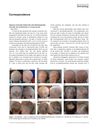
research Alopecia universalis treated with simvastatin/ezetimibe, minoxidil, and prednisolone in a 6‐year‐old girl
A 6-year-old girl with alopecia universalis regrew most of her hair after treatment with simvastatin/ezetimibe, minoxidil, and prednisolone.
research Limited Effectiveness of Platelet-Rich-Plasma Treatment on Chronic Severe Alopecia Areata
Platelet-rich plasma treatment is not very effective for chronic severe alopecia areata.
research Oral cyclosporin does not arrest progression of androgenetic alopecia.
Oral cyclosporin doesn't stop hair loss.
research Outcome measure instruments for the assessment and treatment of androgenetic alopecia: A scoping review
Standardized assessment tools for androgenetic alopecia are needed.
research Alopecia Areata Prevalence in Australia: Insights From a Nationally Representative Cross‐Sectional Survey Study
Alopecia areata affects 1.2% to 2.3% of Australians, with many unaware of treatment options.

research Treatment of androgenetic alopecia in transgender people receiving testosterone therapy with sublingual minoxidil: A randomized, double-blind, placebo-controlled clinical trial
Sublingual minoxidil safely increases hair growth in transgender people on testosterone therapy.
research How Long to Treat to Achieve Desired Treatment Outcomes with Baricitinib 4 mg in Severe Alopecia Areata: Evidence-based Approach
Baricitinib 4 mg should be used for at least 1 year to see significant hair regrowth in severe alopecia areata.
research Minoxidil
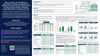
research Efficacy, Safety, and Tolerability of Upadacitinib in Adults and Adolescents With Severe Alopecia Areata: Results From the Randomized, Placebo-Controlled, Double-Blind Phase 3 Program (UP-AA)
Upadacitinib effectively treats severe alopecia areata and is safe.
research Long-Term Efficacy and Complete Scalp Hair Regrowth in Patients With Alopecia Areata Receiving Ritlecitinib 50 mg QD Up to 3 Years in the ALLEGRO Clinical Trial Program
Ritlecitinib 50 mg effectively promotes and sustains hair regrowth in alopecia areata patients.
research Rationale and Design of a Novel, Phase 3, External and Synthetic Placebo-Controlled Clinical Trial of Ritlecitinib 50 mg and 100 mg for Alopecia Areata
Ritlecitinib is being tested for effectiveness and safety in treating severe alopecia areata.
research A multicentre cohort study of the clinicopathological features and treatment outcomes of fibrosing alopecia in a pattern distribution
Fibrosing alopecia can be stabilized or improved with anti-inflammatory treatments and hair growth agents.
research Systemic Treatment of Moderate to Severe Alopecia Areata in Adults: Updated Australian Expert Consensus Statement
New medications could improve treatment for severe alopecia areata in Australia.
research 61720 The effect of sublingual minoxidil on androgenetic alopecia in transgender individuals receiving testosterone for gender-affirmation: A 24-week single-centre double-blinded, randomized, placebo-controlled clinical trial
Sublingual minoxidil significantly improves hair growth in transgender individuals on testosterone therapy.
research Criteria for Commencing and Continuing Subsidised Janus Kinase Inhibitor Therapy in Australian Alopecia Areata Patients—Results From an Australian Expert Consensus Exercise
Experts created guidelines for who in Australia can get subsidized JAK inhibitor therapy for alopecia areata.
research You cannot go bald without first, losing your hair: Telogen effluvium is a precursor to, prerequisite for and potentially an incitant to common baldness in men
Hair loss (telogen effluvium) happens before male pattern baldness.
research Scalp hair repigmentation after radiotherapy
A 76-year-old man's grey hair turned back to its original color after radiotherapy.
research Patient satisfaction with hair regrowth in a study of ritlecitinib: a plain language summary
Patients were very satisfied with hair regrowth after taking ritlecitinib for alopecia areata.
research COLLAB: A Global Survey of Clinical and Laboratory Assessment in Alopecia Areata by Hair Specialists
Hair specialists vary in testing for alopecia areata, highlighting the need for standard guidelines.
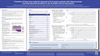
research Prediction of Long-term Scalp Hair Regrowth at 24 Months in Patients with Alopecia Areata Receiving Ritlecitinib Treatment in the ALLEGRO Clinical Trial Program
Certain patient characteristics can help predict hair regrowth success with ritlecitinib in alopecia areata.