 6 citations
,
November 2023 in “Clinical Pharmacokinetics”
6 citations
,
November 2023 in “Clinical Pharmacokinetics” Ritlecitinib shows promise as a versatile treatment for various autoimmune and inflammatory diseases.
 October 2025 in “Zenodo (CERN European Organization for Nuclear Research)”
 Ritlecitinib may help young adults with severe alopecia areata when ketoconazole fails.
 June 2026 in “Dermatology and Therapy”
 Ritlecitinib provides new treatment options for diverse alopecia areata patients.
 119 citations
,
October 2011 in “Journal of Veterinary Internal Medicine”
119 citations
,
October 2011 in “Journal of Veterinary Internal Medicine” Rhodococcus equi causes severe pneumonia in young foals, and effective vaccines are needed due to foals' weak immune responses.
March 2026 in “SKIN The Journal of Cutaneous Medicine” Ritlecitinib is being tested for safety and effectiveness in young children with severe alopecia areata.
 February 2025 in “International Journal of Molecular Sciences”
 RORA plays a key role in controlling seasonal hair molting by affecting hair follicle cell activity.
 16 citations
,
August 2022 in “Nature Communications”
16 citations
,
August 2022 in “Nature Communications” ROR2 is essential for hair follicle stem cell renewal and maintenance.
 February 2025 in “Biomolecules”
 RORA boosts autophagy in hair follicle stem cells, potentially aiding hair growth.
 October 2025 in “Zenodo (CERN European Organization for Nuclear Research)”
 Ritlecitinib may help young adults with severe alopecia areata when ketoconazole doesn't work.
January 2024 in “Pharmaceutical journal/The pharmaceutical journal” Ritlecitinib can help about 14,000 people with severe hair loss.
 January 2024 in “American journal of clinical dermatology”
 Ritlecitinib is safe and well-tolerated for treating alopecia areata in patients aged 12 and older.
 December 2023 in “Journal of Ayub Medical College Abbottabad”
 Ritlecitinib effectively treats alopecia areata in patients 12 and older with fewer side effects.
May 2025 in “Journal of the European Academy of Dermatology and Venereology” Ritlecitinib is effective for long-term hair regrowth in alopecia areata, especially in females and early treatment.
 15 citations
,
January 2024 in “The AAPS Journal”
15 citations
,
January 2024 in “The AAPS Journal” 50-mg ritlecitinib capsules are bioequivalent to 100-mg capsules.
 6 citations
,
November 2015 in “Equine Veterinary Education”
6 citations
,
November 2015 in “Equine Veterinary Education” A sick foal with Rhodococcus equi pneumonia was successfully treated for multiple complications with targeted therapy and careful monitoring.
 November 2024 in “SKIN The Journal of Cutaneous Medicine”
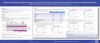
 Ritlecitinib effectively promotes hair regrowth in severe and very severe alopecia areata.
 November 2024 in “SKIN The Journal of Cutaneous Medicine”
 Ritlecitinib provides new treatment options for diverse alopecia areata patients.
3 citations
,
March 2025 in “Journal of Clinical Medicine” Ritlecitinib effectively treats alopecia areata with manageable side effects.
1 citations
,
May 2021 in “Thyroid Research and Practice” Short-term side effects of low-dose radioactive iodine therapy are common but temporary.
 13 citations
,
December 2017 in “Archives of Medical Sciences”
13 citations
,
December 2017 in “Archives of Medical Sciences” Rivaroxaban can cause liver injury, allergic reactions, blood vessel inflammation, and hair loss, but these side effects are rare.
 June 2026 in “Journal of health economics and outcomes research”
 Ritlecitinib is more effective and cost-efficient than baricitinib for severe alopecia areata.
November 2025 in “Journal of Investigative Dermatology” Ritlecitinib effectively treats severe Alopecia Areata by reducing harmful immune activity in the skin.
 December 2025 in “International Journal of Innovative Technologies in Social Science”
 Ritlecitinib is generally safe for long-term use, with mostly mild side effects.
December 2018 in “Bioscience Journal” Leporacarus gibbus mite was found in a domestic rabbit in Espírito Santo, Brazil, for the first time.
 December 2025 in “Dermatology Reports”
 Topical ruxolitinib quickly improves non-segmental vitiligo.
 June 2025 in “Biomolecules”
 RORA affects hair follicle stem cells' structure and movement, potentially helping treat hair loss.
 May 2026 in “Nursing Reports”
 Slovak breast cancer survivors have moderate quality of life, with emotional and cognitive strengths but social and physical challenges, needing targeted support.
 October 2023 in “bioRxiv (Cold Spring Harbor Laboratory)”
 Hair follicles can be kept in RNAlater® at cool or room temperature for a week without harming RNA quality.
5 citations
,
December 2023 in “Current Biology” A feedback loop between LRH and RSL4 controls root hair growth in Arabidopsis.
 December 2025 in “Frontiers in Medicine”
 Ritlecitinib successfully treated a child's alopecia universalis after baricitinib failed.