
About 26% of women in Swabi have PCOS, with hyperandrogenism being the most common symptom.
 June 2025 in “IntechOpen eBooks”
 PCOS is a common hormonal disorder in women that causes various symptoms and health risks, requiring personalized treatment.
 March 2025 in “Pakistan Journal of Scientific & Industrial Research Series A Physical Sciences”
 Personalized management and lifestyle changes are key to effectively managing PCOS.
 January 2025 in “i-manager s Journal on Life Sciences”
 PCOD causes hormonal imbalances and infertility, requiring early diagnosis and treatment.
 March 2023 in “Scholars international journal of obstetrics and gynecology”
 PCOS is a complex condition that affects women's hormonal balance and metabolism, requiring lifestyle changes and medical management.
 March 2023 in “İnönü Üniversitesi Sağlık Hizmetleri Meslek Yüksek Okulu Dergisi”
 Obesity is linked to higher metabolic syndrome and LH/FSH ratios, but no significant differences exist among PCOS phenotypes.
 January 2023 in “Austin Journal of Obstetrics and Gynecology”
 PCOS affects many young women in KSA, with mild cases being most common.
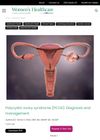 September 2022 in “Women's healthcare”
 PCOS is managed by lifestyle changes and personalized medication to improve symptoms and fertility.
 August 2020 in “Research Square (Research Square)”
 Many young women in Punjab, Pakistan, show symptoms of PCOS and have a lower quality of life, but they are not aware of the condition.
 February 2020 in “International Journal of Medical and Biomedical Studies”
 Adult acne is often mild and common on the cheek, with a low prevalence of PCOS in female patients, but more severe acne and skin damage in those with PCOS.
The article concludes that better diagnosis and management of Polycystic Ovarian Syndrome are needed to improve women's health and prevent related diseases.
 May 2019 in “Paediatrics and child health”
 The document concludes that personalized treatment, including lifestyle changes and medication, is essential for managing PCOS in teenagers, while also addressing their psychological well-being.
October 2017 in “The Egyptian Journal of Hospital Medicine ” More young women are getting diagnosed with PCOS, which can lead to other health problems, but early treatment can help.
 October 2016 in “Journal of the Dermatology Nurses’ Association”
 Polycystic Ovary Syndrome (PCOS) affects 6%-15% of women of reproductive age, causing symptoms like acne and hair loss, and increasing the risk of type 2 diabetes and heart disease; it's managed through diet, exercise, and medications like Metformin and hormonal contraceptives.
 July 2015 in “NEJM Journal Watch”
 Diagnosing and treating PCOS in young people is difficult.
January 2023 in “European journal of biology and medical science research” PCOS symptoms can be managed with medication and lifestyle changes.
 120 citations
,
June 2008 in “American Journal of Epidemiology”
120 citations
,
June 2008 in “American Journal of Epidemiology” A simple screening method found that 6.3% of women in a semiurban area in Sri Lanka have polycystic ovary syndrome, with most showing menstrual irregularities.
 2 citations
,
September 2008 in “Fertility and Sterility”
2 citations
,
September 2008 in “Fertility and Sterility” Clinical signs of excess male hormones and actual hormone levels in the blood do not always match in women with polycystic ovary syndrome.
 November 2025 in “Cureus”
 PCOS-related acne can be managed by targeting hormones and insulin resistance.
 September 2025 in “Cureus”
 19.5% of young college girls have PCOS, highlighting the need for early screening and intervention.
 5 citations
,
January 2014 in “International journal of gynaecology and obstetrics”
5 citations
,
January 2014 in “International journal of gynaecology and obstetrics” HIV-positive pregnant women are more likely to experience severe bleeding, and a pregnant woman with familial hypertriglyceridemia had a successful early delivery with special care.
 May 2026 in “Zenodo (CERN European Organization for Nuclear Research)”
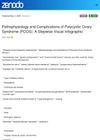
 PCOS is influenced by genetics and lifestyle, causing hormonal imbalances and health risks like diabetes and infertility.
 May 2026 in “Zenodo (CERN European Organization for Nuclear Research)”
 PCOS is influenced by genetics and lifestyle, causing hormonal imbalances and health risks like diabetes and infertility.
 3 citations
,
January 2013 in “Annals of Tropical Medicine and Public Health”
3 citations
,
January 2013 in “Annals of Tropical Medicine and Public Health” About 15% of adolescent girls in a region of India have Polycystic Ovarian Syndrome, which is more common in those born by cesarean, with wisdom teeth, or with central obesity.
 September 2023 in “Reproductive health of woman”
 PCOS is common, affects fertility, and requires personalized treatment to manage symptoms and health risks.
 4809 citations
,
January 2004 in “Fertility and Sterility”
4809 citations
,
January 2004 in “Fertility and Sterility” The 2003 consensus updated PCOS diagnosis criteria and highlighted increased risks of diabetes and heart disease for those affected.
 4025 citations
,
December 2003 in “Human Reproduction”
4025 citations
,
December 2003 in “Human Reproduction” The 2003 consensus updated PCOS diagnosis criteria and linked PCOS to higher risks of diabetes and heart problems, recommending lifestyle changes to lower these risks.
 45 citations
,
January 2006 in “Endocrine journal”
45 citations
,
January 2006 in “Endocrine journal” To diagnose Polycystic Ovarian Syndrome, two out of three signs—irregular periods, high male hormone levels, or cysts on the ovaries—are needed.

The document concludes that accurate diagnosis and management of PCOS are crucial due to its associated health risks.
 62 citations
,
April 2016 in “Best Practice & Research in Clinical Obstetrics & Gynaecology”
62 citations
,
April 2016 in “Best Practice & Research in Clinical Obstetrics & Gynaecology” The conclusion is that there's a need for a new conference to establish stricter guidelines for diagnosing Polycystic Ovary Syndrome (PCOS).