Rosemary oil can boost hair growth by increasing certain enzyme activities and cytokine expression.
 40 citations
,
November 2016 in “Molecules”
40 citations
,
November 2016 in “Molecules” Some plants used in traditional medicine may help treat cancer because they contain proteins that can inactivate ribosomes.
3 citations
,
July 2025 in “Clinical and Experimental Dermatology” Ritlecitinib may be more effective for severe alopecia areata than conventional treatments.
June 2026 in “British Journal of Dermatology” Ritlecitinib is effective and safe for treating alopecia areata, especially in newer cases.
May 2025 in “Immunotherapy” Patients were very satisfied with hair regrowth after taking ritlecitinib for alopecia areata.
November 2025 in “Journal of Investigative Dermatology” Ritlecitinib effectively treats severe Alopecia Areata by reducing harmful immune activity in the skin.
4 citations
,
March 2025 in “The Journal of Dermatology” Ritlecitinib is effective and safe for hair regrowth in Asian patients with alopecia areata.
3 citations
,
January 2019 in “Research journal of pharmacy and technology” The hair tonic with menthol grew longer hair, but both formulas had similar overall hair growth.
6 citations
,
March 2024 in “SKIN The Journal of Cutaneous Medicine” Ritlecitinib is effective for long-term treatment of severe alopecia areata.
13 citations
,
February 2025 in “Journal of the European Academy of Dermatology and Venereology” Ritlecitinib shows promise for treating alopecia areata, especially with early and extended treatment.
 November 2019 in “Neuro-oncology”
 Rind-based techniques can lower scalp radiation dose and reduce hair loss in brain cancer treatment.
May 2021 in “bioRxiv (Cold Spring Harbor Laboratory)” rPanglaoDB helps study rare cell types by merging RNA data, confirming fibrocytes' role in healing.
Low IRES/Cap translation is linked to higher stem cell potential.
1 citations
,
April 1961 in “OSTI OAI (U.S. Department of Energy Office of Scientific and Technical Information)” Radiation affects plant growth differently, with high doses being harmful, but some lower doses can increase yield.
80 citations
,
November 2017 in “New Phytologist” Roots adapt to uneven environments by changing growth and gene expression.
 April 2026 in “Zenodo (CERN European Organization for Nuclear Research)”
 The package offers tools for exploring potential miRNA changes in female hair loss.
June 2026 in “British Journal of Dermatology” Regional prescribing of ritlecitinib mostly follows national guidance, but psychological assessments and consistent scoring need improvement.
 January 1999 in “Journal of the European Academy of Dermatology and Venereology”
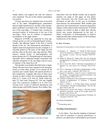
 RAPK is a rare skin disorder with pigmented spots, mainly on hands and feet, starting in youth.
29 citations
,
January 2003 in “KARGER eBooks” HVDRR is caused by VDR gene mutations, leading to vitamin D resistance, treatable with high calcium doses, but alopecia remains permanent.
December 2017 in “Jurnal Farmanesia” Red Palm Oil promotes hair growth more effectively than Extra Virgin Olive Oil.
 1 citations
,
July 2020 in “Journal of Biomedical Translational Research”
1 citations
,
July 2020 in “Journal of Biomedical Translational Research” Raccoon dogs can adapt well to life with three legs after forelimb amputation.
26 citations
,
September 1999 in “Canadian Journal of Botany” The RHD4 gene is crucial for consistent root hair growth in Arabidopsis thaliana.
 May 1995 in “Journal of Investigative Dermatology”
 Researchers developed a new way to measure gene activity in single hair follicles and found that a specific gene's activity changes with different amounts and times of treatment.
January 2026 in “International Journal of Dermatology” Ritlecitinib helps hair regrowth and reduces emotional and functional burdens in alopecia areata.
14 citations
,
March 2022 in “Plant Cell & Environment” The protein AtRXR3 limits root hair growth in Arabidopsis, affecting phosphorus uptake.
227 citations
,
April 2023 in “The Lancet” Ritlecitinib effectively treats alopecia areata and is well-tolerated.
 November 2022 in “Journal of Investigative Dermatology”
 Blocking mTORC1 activity could increase hair pigmentation and potentially reverse greying.
1 citations
,
October 2013 The framework helps develop medical apps on mobile devices to reduce reliance on desktop computers.
July 2026 in “Journal of the American Academy of Dermatology” March 2015 in “Institutional Repositories DataBase (IRDB)”