28 citations
,
May 1998 in “Journal of the American Academy of Dermatology” Scalp inflammation can cause multiple hairs to grow from one follicle.
17 citations
,
July 1977 in “International Journal of Dermatology” Proper shaving techniques and specific topical treatments can help manage pseudofolliculitis barbae.
January 1982 in “Clinical Cosmetic and Investigational Dermatology” Familial dyskeratotic comedones are a rare, inherited skin condition that is hard to treat but may improve slightly with topical retinoids and urea cream.
15 citations
,
January 2011 in “International journal of trichology” Using a hot iron on wet hair can cause dry, brittle hair with air bubbles inside.
 3 citations
,
July 2016 in “International Journal of Dermatology”
3 citations
,
July 2016 in “International Journal of Dermatology” Minoxidil treatment increased hair density in a young Asian girl with short anagen syndrome, but didn't improve hair length or thickness.
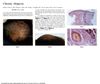 June 1995 in “Archives of Dermatology”
 A woman's hair loss was due to trichotillomania, which is often misdiagnosed and can require different treatments based on age and underlying conditions.
 4 citations
,
August 2023 in “Nature Communications”
4 citations
,
August 2023 in “Nature Communications” Mouse zigzag hair bends form due to a 3-day cycle of changes in hair progenitors and their environment.
1 citations
,
January 2019 in “Jordan Medical Journal” Zinc deficiency in children can cause skin issues and is often overlooked.
3 citations
,
May 2011 in “Facial plastic surgery clinics of North America” Laser treatments can effectively reduce fine wrinkles and improve skin texture.
April 2023 in “CRC Press eBooks” Hair care products mainly work on the hair's surface and need professional guidance for use.

About 17% of people in France have dandruff, and those with dandruff are more likely to have sensitive and itchy scalps.
22 citations
,
October 2004 in “Journal of Investigative Dermatology” The gene causing hair loss and heart issues in rough coat mice is still unknown.
 December 2024 in “Genome Biology and Evolution”
 Snakes and worm lizards lost claw proteins due to similar evolutionary changes.
 May 2024 in “Indian Journal of Dermatology”
 The woman has a rare skin condition called follicular Dowling-Degos disease, which has limited treatment options.
4 citations
,
November 2020 in “Case reports in dermatology” A rare skin condition causes red, dark, bumpy facial lesions.
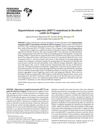 January 2023 in “Pesquisa Veterinária Brasileira”
 A KRT71 mutation in Hereford cattle in Uruguay causes thin, curly hair and scaly skin.
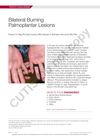
The woman was diagnosed with lichen sclerosus, a rare skin condition, after initial misdiagnosis and ineffective treatments.
26 citations
,
May 1988 in “Pediatric dermatology” Eruptive vellus hair cysts can run in families.
9 citations
,
July 1961 in “Journal of Investigative Dermatology” Cutaneous calcinosis can be induced in young animals using certain compounds, but only in specific areas and with high mortality.
May 2025 in “International Journal of Trichology” Hair Heat Disease is caused by wet, oily hair and friction in hot, humid conditions.
March 2021 in “Annals of King Edward Medical University” Clouston syndrome causes issues with teeth, hair, nails, and skin, and has no cure, but recognition has improved.
1 citations
,
January 2017 in “International Journal of Trichology” A new mutation caused a rare hair disorder in a Polish girl, not inherited from her family.
76 citations
,
March 2008 in “Journal of the American Academy of Dermatology” Videodermoscopy can help diagnose and monitor nail bed psoriasis.
5 citations
,
February 2005 in “Journal of the American Academy of Dermatology” Focal palmoplantar callosities may help diagnose non-Herlitz junctional epidermolysis bullosa.
 July 2025 in “Journal of Medical Science And clinical Research”
 A 21-year-old male has a rare scalp condition with excessive skin folds.
1 citations
,
May 1983 in “Acta dermato-venereologica” The hairpiece matted due to weathered hair after shampooing.
October 2021 in “European Journal of Dermatology” CAL-PDT is safer and more effective for treating actinic keratosis on the scalp.
7 citations
,
April 2004 in “International Journal of Dermatology” The newborn's skin blistering is due to a genetic condition called epidermolytic hyperkeratosis.

Hair follicle stem cells are crucial for touch sensation and proper nerve structure in mice.
 1 citations
,
September 2005 in “Oncology times”
1 citations
,
September 2005 in “Oncology times” Wearing a frozen glove during chemotherapy can reduce nail and skin problems but may not be comfortable for everyone.