24 citations
,
July 2021 in “Pharmaceutics” Ruxolitinib cream effectively targets and treats inflammatory skin diseases.
4 citations
,
April 2024 in “Journal of Drugs in Dermatology” Ruxolitinib cream may help treat severe hair loss in children.
6 citations
,
May 2024 in “JAAD Case Reports” Topical ruxolitinib cream may help treat frontal fibrosing alopecia.
 124 citations
,
October 2019 in “Frontiers in Immunology”
124 citations
,
October 2019 in “Frontiers in Immunology” Janus kinase inhibitors are promising treatments for autoimmune skin diseases like eczema and psoriasis.
 1 citations
,
July 2018 in “Elsevier eBooks”
1 citations
,
July 2018 in “Elsevier eBooks” Alopecia Areata is an autoimmune hair loss condition, with various treatments showing mixed effectiveness and no guaranteed cure.
 June 2026 in “Saudi Medical Horizons Journal”
 JAK inhibitors show promise in treating skin conditions like eczema, hair loss, and vitiligo but need more safety research.
December 2025 in “JEADV Clinical Practice” These new skin treatments are safer and more effective with minimal side effects.
November 2025 in “Journal of Investigative Dermatology” Combining MMP-9 and JAK inhibitors can effectively prevent skin depigmentation in vitiligo.
 July 2023 in “The journal of investigative dermatology/Journal of investigative dermatology”
 Assessing CD8+ T cell levels before surgery may improve vitiligo treatment outcomes.
Ruxolitinib cream shows promise for vitiligo, and early melanoma diagnosis is crucial.
 February 2026 in “Indian Journal of Skin Allergy”
 Ruxolitinib cream effectively treats skin conditions like atopic dermatitis and vitiligo with minimal side effects.
30 citations
,
June 2017 in “Journal of cutaneous medicine and surgery” Topical ruxolitinib failed to regrow hair in a 66-year-old with alopecia areata.
83 citations
,
June 2017 in “Journal of the American Academy of Dermatology” Topical JAK inhibitors may help children with alopecia areata regrow hair.
 9 citations
,
July 2017 in “Journal of medical case reports”
9 citations
,
July 2017 in “Journal of medical case reports” Ruxolitinib treatment may cause eyelash growth.
 2 citations
,
December 2023 in “Journal of clinical immunology”
2 citations
,
December 2023 in “Journal of clinical immunology” Ruxolitinib significantly improves multiple autoimmune conditions in APS-1 patients.
 December 2025 in “Dermatology Reports”
 Topical ruxolitinib quickly improves non-segmental vitiligo.
 25 citations
,
April 2019 in “Journal of The American Academy of Dermatology”
25 citations
,
April 2019 in “Journal of The American Academy of Dermatology” Using 2% tofacitinib cream with narrowband ultraviolet B improved facial vitiligo by 70% in patients who didn't respond to previous treatments, with no side effects reported.
 April 2019 in “The journal of investigative dermatology/Journal of investigative dermatology”
 Machine learning can predict how well patients with alopecia areata will respond to certain treatments.
1 citations
,
April 2025 in “Experimental Dermatology” Topical ruxolitinib may help some skin conditions but needs more research for alopecia areata.
 55 citations
,
October 2019 in “Dermatology and therapy”
55 citations
,
October 2019 in “Dermatology and therapy” Drugs targeting the JAK/STAT pathway can improve atopic dermatitis but vary in effectiveness for vitiligo and alopecia areata, with generally mild safety concerns.
 40 citations
,
December 2016 in “Journal of Dermatological Treatment”
40 citations
,
December 2016 in “Journal of Dermatological Treatment” JAK inhibitors show promise for treating skin and hair disorders but need more research on long-term safety and effectiveness.
 7 citations
,
April 2023 in “Frontiers in immunology”
7 citations
,
April 2023 in “Frontiers in immunology” Oral baricitinib and ruxolitinib are effective and safe for treating alopecia areata.
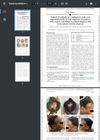 April 2025 in “JAAD Case Reports”
 Topical ruxolitinib and oral minoxidil together can regrow hair in certain types of hair loss.
 October 2024 in “Journal of Education Health and Sport”
 Alopecia areata treatment should be personalized, using topical or systemic therapies based on severity, with promising options like JAK inhibitors needing more research.
 26 citations
,
January 2019 in “Expert Opinion on Investigational Drugs”
26 citations
,
January 2019 in “Expert Opinion on Investigational Drugs” New treatments for hair loss show promise, but more research is needed to confirm their safety and effectiveness.
 77 citations
,
June 2017 in “Advances in Therapy”
77 citations
,
June 2017 in “Advances in Therapy” New treatments for Alopecia Areata, like JAK inhibitors, show promise for hair regrowth and are likely to change future treatment approaches.
 32 citations
,
April 2016 in “Journal of Investigative Dermatology”
32 citations
,
April 2016 in “Journal of Investigative Dermatology” STAT5 activation is crucial for starting the hair growth phase.
 3 citations
,
April 2016 in “Journal of Investigative Dermatology”
3 citations
,
April 2016 in “Journal of Investigative Dermatology” Tofacitinib, a JAK inhibitor, improved hair regrowth in most patients with severe alopecia areata and had minimal side effects.
2 citations
,
May 2020 in “JAAD case reports” Ruxolitinib can cause a delayed skin reaction on the nose.
 March 2026 in “Archives of Dermatological Research”
 Amlodipine cream may help hair growth by improving blood flow.