3 citations
,
May 2024 in “Indian Journal of Dermatology” Tofacitinib can cause a rare rash called SDRIFE, which resolves after stopping the drug.
 March 2024 in “Clinical, cosmetic and investigational dermatology”
 Tofacitinib successfully treated vitiligo in a patient with lupus without side effects.
December 2022 in “International Journal of Molecular Sciences” Afatinib, neratinib, and zanubrutinib could be effective against KRASG12C-mutant tumors.
 6 citations
,
April 2021 in “Frontiers in Immunology”
6 citations
,
April 2021 in “Frontiers in Immunology” A patient with lupus and long-term hair loss saw significant hair regrowth after using the drug tofacitinib.
5 citations
,
February 2025 in “Journal of the American Academy of Dermatology” 7 citations
,
July 2023 in “Immunotherapy” Ritlecitinib works well and is safe for treating alopecia areata.
19 citations
,
April 2016 in “Case Reports in Dermatology” Nilotinib can cause keratosis pilaris, a skin condition.
November 2025 in “Journal of Investigative Dermatology” Ritlecitinib effectively treats severe Alopecia Areata by reducing harmful immune activity in the skin.
February 2026 in “The Journal of Dermatology” Ritlecitinib effectively regrows scalp, eyebrow, and eyelash hair in Asians with alopecia areata and is safe.
Ritlecitinib is a new treatment for severe hair loss in people 12 and older.
January 2024 in “Pharmaceutical journal/The pharmaceutical journal” Ritlecitinib can help about 14,000 people with severe hair loss.
 September 2023 in “International Journal of Trichology”
 Tofacitinib helped a woman regrow hair with no major side effects.

Deucravacitinib improves symptoms and reduces inflammation in Lichen Planopilaris.
 7 citations
,
August 2023 in “Journal of the American Academy of Dermatology”
7 citations
,
August 2023 in “Journal of the American Academy of Dermatology” JAK inhibitors offer new hope for treating severe alopecia areata.
March 2023 in “SKIN The Journal of Cutaneous Medicine” Ritlecitinib helped most alopecia areata patients regrow hair by Week 48.
4 citations
,
July 2023 in “Nature Medicine” The FDA approved a new Pfizer drug for hair loss in teens.
 41 citations
,
December 2015 in “JAMA Dermatology”
41 citations
,
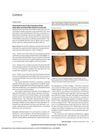
December 2015 in “JAMA Dermatology” Tofacitinib citrate improved nail dystrophy and pain in patients with alopecia universalis without causing side effects.
 28 citations
,
December 2017 in “Journal of Investigative Dermatology Symposium Proceedings”
28 citations
,
December 2017 in “Journal of Investigative Dermatology Symposium Proceedings” Tofacitinib shows promise for treating severe hair loss in adults and teens, with many experiencing regrowth, but hair loss returns when treatment stops.
 20 citations
,
January 2017 in “Actas Dermo-Sifiliográficas”
20 citations
,
January 2017 in “Actas Dermo-Sifiliográficas” Recent advances in hair loss treatments show significant progress.
 7 citations
,
March 2017 in “Actas Dermo-Sifiliográficas”
7 citations
,
March 2017 in “Actas Dermo-Sifiliográficas” Several new treatments for different types of hair loss show promise in improving patient quality of life.
21 citations
,
July 2011 in “Journal of the American Academy of Dermatology” A man developed a rash similar to pityriasis rubra pilaris after starting sorafenib for cancer, possibly due to the drug's effect on skin cells.
April 2026 in “Case Reports in Dermatology” Tofacitinib effectively treated a woman's complex autoimmune and autoinflammatory disorders.
 July 2024 in “Russian Journal of Child Neurology”
 Selumetinib effectively reduces tumor size in many children with neurofibromatosis type 1, but can cause skin and hair issues.
 March 2026 in “Dermatology Online Journal”
 Medicaid coverage for alopecia areata treatments is inconsistent and often limited.
19 citations
,
August 2023 in “Journal of Dermatological Treatment” Abrocitinib may effectively treat stubborn alopecia universalis.
 September 2023 in “Medicina Estética Revista Científica de la Sociedad Española de Medicina Estética (SEME)”
 The FDA approved Litfulo® for treating severe alopecia areata in people aged 12 and older.
September 2025 in “Asian journal of pediatric dermatology.” Abrocitinib helped a 14-year-old girl with severe alopecia areata regrow her hair significantly.
 13 citations
,
November 2021 in “Pediatric Dermatology”
13 citations
,
November 2021 in “Pediatric Dermatology” Tofacitinib taken by mouth helps treat hair loss in children.
7 citations
,
March 2023 in “JEADV. Journal of the European Academy of Dermatology and Venereology/Journal of the European Academy of Dermatology and Venereology”  September 2023 in “Dermatology and therapy”
 Ritlecitinib effectively improves hair growth in alopecia areata patients, regardless of hair loss pattern.