7 citations
,
July 2019 in “Animals” The KRTAP21-1 gene affects wool yield and can help improve wool production.
192 citations
,
January 2018 in “Burns & Trauma” Current skin substitutes help heal severe burns but don't fully replicate natural skin features.
70 citations
,
February 2016 in “EMBO reports” Scientists found a specific group of itch-sensing nerve cells in mice important for feeling itch but not for sensing heat or touch.
63 citations
,
April 2017 in “Acta psychiatrica Scandinavica” Higher prenatal and adult androgen levels are linked to alcohol dependence and withdrawal severity.
 56 citations
,
January 1996 in “Journal of Forensic Sciences”
56 citations
,
January 1996 in “Journal of Forensic Sciences” Dye enters hair at the edges of cuticle cells and penetrates more from water than alcohol-based solutions.
 20 citations
,
August 2022 in “Archives of Medical Science”
20 citations
,
August 2022 in “Archives of Medical Science” The Polish medical societies have redefined metabolic syndrome and recommend lifestyle changes, certain medications, and possibly bariatric surgery for treatment. They also discuss managing related health conditions.
7 citations
,
September 2020 in “International Journal of Cosmetic Science” Different sizes of keratin peptides can strengthen hair, with smaller ones possibly increasing volume and larger ones repairing damage.
3 citations
,
August 2024 in “European journal of medical research” A legally valid consent form for PRP injections was created to improve communication and protect against lawsuits.
 May 2026 in “Journal of Health Sciences and Medicine”
 Biotinoyl tripeptide-1 nanoparticles effectively protect hair from heat damage.
24 citations
,
October 2019 in “Genes” A new sheep gene, KRTAP36-1, may help breed sheep with better wool by reducing prickle factor.
September 2016 in “Journal of dermatological science” The conclusion is that the variation in hair thinness in patients is mostly due to the amount of underdeveloped hairs, and treatments that thicken fine hairs might work for those with mild to severe conditions.
 6 citations
,
June 2011 in “British Journal of Dermatology”
6 citations
,
June 2011 in “British Journal of Dermatology” People with alopecia areata have higher levels of RBP4 protein and antibodies against it.
 April 2026 in “Clinical Cosmetic and Investigational Dermatology”
 Renal transplant recipients often have skin issues, especially infections, and need regular skin check-ups.
April 2015 in “The FASEB Journal” Blocking male hormones in baby rats improved memory and increased weight.
 September 2024 in “Journal of Medicine and Life”
 A specific gene mutation causes a severe skin disorder in a family.
May 2022 in “Reactions Weekly” July 2020 in “Faculty Opinions – Post-Publication Peer Review of the Biomedical Literature” 8 citations
,
June 2016 in “Journal of Investigative Dermatology” A rare genetic deletion in the KRT1 gene causes unique skin symptoms in a family.
 August 2018 in “Journal of the American Academy of Dermatology”
 Reflectance confocal microscopy helped diagnose and manage a woman's hair loss without needing a biopsy.
9 citations
,
July 2022 in “Journal of Biological Chemistry” WWP2 is crucial for tooth development in mice.
 September 2025 in “Animals”
 Key proteins and pathways are crucial for wool fineness, but more research is needed.
July 2025 in “Journal of Investigative Dermatology” Ritlecitinib reduces alopecia areata symptoms by blocking JAK3/TEC signaling and T-cell activity.
 December 2024 in “Clinical and Experimental Dermatology”
 Switching to ritlecitinib improves hair regrowth and well-being in severe alopecia areata patients.
37 citations
,
May 2018 in “Frontiers in physiology” Certain RNA molecules are important for the development of wool follicles in sheep.
RCS-01 cell therapy is safe and improves skin gene expression.
 September 2019 in “Journal of Investigative Dermatology”
 Retinol significantly reduces neck wrinkles.
 157 citations
,
December 2015 in “Journal of the American Academy of Dermatology”
157 citations
,
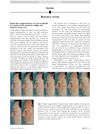
December 2015 in “Journal of the American Academy of Dermatology” A man with vitiligo and alopecia saw quick skin and hair improvement with ruxolitinib, but skin color gains were lost after stopping treatment.
 January 2026 in “Frontiers in Pharmacology”
 Wedelolactone may help treat inflammation, infections, cancer, bone loss, and organ damage.
 January 2021 in “ABC Heart Failure & Cardiomyopathy”
 A 90-year-old man was diagnosed with heart failure due to wild-type transthyretin cardiac amyloidosis.