2 citations
,
November 2024 in “PLoS ONE” Genomic prediction can improve breeding strategies for Korean Sapsaree dogs.
The new microneedle system safely delivers finasteride through the skin to treat hair loss.
18 citations
,
February 2006 in “Genomics” A new genetic mutation in mice causes permanent hair loss and skin wrinkling.
 November 2023 in “Advanced functional materials”
 Magnesium Silicate Sprays help heal burn wounds and regrow skin features better than commercial products.
1 citations
,
January 2023 in “Dermatologic Therapy” Macrofocused ultrasound is a safe and effective treatment for reducing enlarged facial pores.
 June 2023 in “Medicine and Pharmacy Reports”
 A woman with a specific mutation causing adrenal gland issues faced fertility problems, but careful hormone therapy helped her manage it successfully.
December 2022 in “Biochemical and Biophysical Research Communications” HtrA2 activity is crucial for normal hair growth by regulating fat cell development.
 3 citations
,
January 2018 in “Postępy Dermatologii i Alergologii”
3 citations
,
January 2018 in “Postępy Dermatologii i Alergologii” Longer TA repeats in the SRD5A2 gene may increase acne risk in Chinese people.
 September 2024 in “Journal of Medicine and Life”
 A specific gene mutation causes a severe skin disorder in a family.
 January 2004 in “Hair transplant forum international”
 The document's content could not be processed.
 January 2024 in “Hair transplant forum international”
 The document's content could not be processed.
 September 2000 in “Hair transplant forum international”
 The document's conclusion cannot be provided because the document is not accessible or understandable.
11 citations
,
November 2011 in “The Journal of Dermatology” Connexin-26 gene mutations may increase cancer risk in KID syndrome patients.
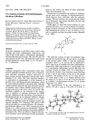 December 1998 in “Acta Crystallographica Section C-crystal Structure Communications”
 A new compound with strong antiandrogenic effects was found, potentially useful for treating conditions like acne and prostate cancer.
Two new mite species were found in a monkey's hair follicles, leading to a new genus and family proposal.
1 citations
,
January 2024 in “Microorganisms” Mice with a virus similar to COVID-19 had skin damage, but a special treatment helped repair it.
 December 2023 in “Medical Times”
 The MEST method increases cell yield and volume for regenerative medicine but needs more testing.
13 citations
,
November 2024 in “EClinicalMedicine” Standardized de-facing protocols can prevent identification from anonymized MRI images, enhancing privacy protection.
May 2025 in “Acta Biomaterialia” The new microneedle treatment effectively promotes hair growth better than minoxidil.
January 2025 in “Regenerative Biomaterials” A dissolving microneedle patch with collagen XVII effectively promotes hair regrowth in androgenic alopecia.
January 2025 in “Case Reports in Genetics” A rare gene variant causes sexual development issues in siblings, needing personalized treatment.
38 citations
,
October 2005 in “Expert opinion on therapeutic patents” Selective androgen receptor modulators (SARMs) are a promising type of drug for various health conditions due to their targeted actions.
October 2019 in “Asian College of Neuropsychopharmacology”  24 citations
,
April 2017 in “Aesthetic plastic surgery”
24 citations
,
April 2017 in “Aesthetic plastic surgery” MAFT is a reliable method for forehead contouring with high patient satisfaction and long-term results.
12 citations
,
July 2004 in “Molecular genetics and genomics” A new mouse mutation causes skin and hair defects due to a gene change.
 March 2000 in “Hair transplant forum international”
 The document cannot be processed to provide a conclusion.
ANE syndrome is caused by a mutation in the RBM28 protein that disrupts ribosome assembly.
November 2025 in “ACS Nano” The microreactor effectively fights antibiotic-resistant infections and promotes tissue healing.
November 2006 in “評価・診断に関するシンポジウム講演論文集” KSR1 is crucial for certain skin tumor formation and could be a cancer therapy target.
The scant hair in snthr-1Bao mice is likely caused by a deletion affecting the Plcd1 gene.