 1 citations
,
December 2020 in “Dermatology Archives”
1 citations
,
December 2020 in “Dermatology Archives” Systemic steroids temporarily improve severe alopecia areata in children but often lead to relapse.
 1 citations
,
March 2019 in “Journal of AOAC INTERNATIONAL”
1 citations
,
March 2019 in “Journal of AOAC INTERNATIONAL” New method quickly and accurately measures dexpanthenol in hair products.
 1 citations
,
January 2019 in “Elsevier eBooks”
1 citations
,
January 2019 in “Elsevier eBooks” New scaffold materials help heal severe skin wounds and improve skin regeneration.
 1 citations
,
December 2010 in “Elsevier eBooks”
1 citations
,
December 2010 in “Elsevier eBooks” Cell transplantation faces challenges in genitourinary reconstruction, but alternative tissue sources and microencapsulation show promise.
 April 2026 in “Dermatology and Therapy”
 Baricitinib 4 mg should be used for at least 1 year to see significant hair regrowth in severe alopecia areata.

STS01 1% effectively promotes hair regrowth with minimal side effects.
 March 2026 in “Journal of Pakistan Association of Dermatologists”
 Tofacitinib helps hair regrowth in alopecia areata but relapse is common after stopping treatment.
 March 2026 in “American Journal of Clinical Dermatology”
 Ritlecitinib is effective and safe for long-term use in treating severe alopecia areata in people aged 12 and older.
 January 2026 in “International Journal of Research and Innovation in Applied Science”
 Ayurvedic treatment may help manage alopecia areata.
 November 2025 in “Journal of Pharmaceutical Research International”
 Ustekinumab and vedolizumab can help some ulcerative colitis patients with hair regrowth, but results vary.
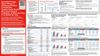 November 2025 in “SKIN The Journal of Cutaneous Medicine”
 Baricitinib works better in adolescents than adults for treating severe alopecia areata.
 October 2025 in “Dermatology and Therapy”
 Ritlecitinib is being tested for effectiveness and safety in treating severe alopecia areata.

Baricitinib is more effective than methotrexate for severe alopecia areata.
 March 2025 in “SKIN The Journal of Cutaneous Medicine”
 Certain patient characteristics can help predict hair regrowth success with ritlecitinib in alopecia areata.
January 2025 in “Case Reports in Endocrinology” Accurate diagnosis of rare hyperandrogenism conditions requires detailed testing and sometimes invasive procedures.
 January 2025 in “International Journal of Dermatology Research”
 Higher MPV and CRP levels may indicate more severe alopecia areata.
 January 2025 in “International Journal of Dermatology Venereology and Leprosy Sciences”
 Tofacitinib improved hair regrowth and quality of life in children with alopecia areata, with mild side effects.
 April 2024 in “Medical & clinical research”
 More research is needed to find the best long-term treatments for Alopecia Areata.
 September 2023 in “Asian journal of beauty & cosmetology”
 Lipids are important for healthy hair, but their exact role is not fully understood and needs more research.
 June 2023 in “Dermatology and therapy”
 The Middle East and Africa need better data, treatment consensus, and support for Alopecia Areata.
 July 2022 in “Bőrgyógyászati és Venerológiai Szemle”
 Technology, like mobile apps and AI, is improving skin condition diagnosis and treatment.

Alopecia Areata has no cure, treatments are limited, and the condition often recurs, but new therapies like JAK inhibitors show promise.
 February 2021 in “Journal of pharmaceutical and biological sciences”
 No cure exists for alopecia areata, and treatments are personalized.
 January 2021 in “International journal of basic and clinical pharmacology”
 Hydroxychloroquine is less effective than betamethasone oral mini pulse therapy for treating alopecia areata.

Proretinal nanoparticles are a safe and effective way to deliver retinal to the skin.
 April 2012 in “Informa Healthcare eBooks”
 Alopecia areata is a common autoimmune condition causing varying hair loss, diagnosed by specific patterns of inflammation around hair follicles, with several treatment options available.

Acidic sandy clay damages archaeological hair the most, while dry conditions preserve but make it brittle; silicone oil can help keep the hair flexible.
 March 2005 in “International Journal of Cosmetic Science”
 A new method helps understand hair shine and various products improve hair care.
 66 citations
,
June 2021 in “Journal of The American Academy of Dermatology”
66 citations
,
June 2021 in “Journal of The American Academy of Dermatology” Baricitinib is effective and safe for treating severe alopecia areata.
 27 citations
,
October 1945 in “Endocrinology”
27 citations
,
October 1945 in “Endocrinology” Synthetic hormone treatment reduces melanin and hair growth in rats.