20 citations
,
January 2024 in “Journal of the European Academy of Dermatology and Venereology” Baricitinib is the most effective treatment for alopecia areata.
4 citations
,
June 2023 in “Frontiers in immunology” JAK inhibitors help hair regrowth in alopecia areata but have a high risk of side effects.
3 citations
,
March 2025 in “Journal of Clinical Medicine” Ritlecitinib effectively treats alopecia areata with manageable side effects.
2 citations
,
September 2024 in “Journal of Dermatological Treatment” Combining compound glycyrrhizin with minoxidil is more effective for alopecia areata than minoxidil alone.
Vitamin D3 helps treat mild to moderate alopecia areata, especially when combined with other treatments.
 March 2026 in “Mendeley Data”
 Janus kinase inhibitors help hair regrowth in kids with alopecia areata but need more safety research.
 March 2026 in “Mendeley Data”
 Janus kinase inhibitors can help children with alopecia areata regrow hair but may have some risks.
 December 2025 in “International Journal of Innovative Technologies in Social Science”
 Oral JAK inhibitors effectively treat alopecia areata and are generally well-tolerated.
December 2025 in “International Journal of Dermatology” Combining low-dose oral minoxidil with immunomodulators shows promise for treating alopecia areata but needs more research.
 November 2025 in “Journal of Pharmaceutical Research International”
 Ustekinumab and vedolizumab can help some ulcerative colitis patients with hair regrowth, but results vary.
January 2025 in “Figshare” Compound glycyrrhizin combined with conventional treatments effectively and safely promotes hair regrowth in alopecia areata patients.
January 2025 in “Figshare” Compound glycyrrhizin with conventional treatments is effective and safe for promoting hair regrowth in alopecia areata.
 October 2024 in “Journal of the European Academy of Dermatology and Venereology”
 Ritlecitinib and baricitinib are similarly effective for hair regrowth in severe alopecia areata.
Ritlecitinib improves hair regrowth in alopecia areata without increasing adverse risks.
September 2023 in “Journal of the American Academy of Dermatology” Oral Janus kinase inhibitors are effective for treating alopecia areata in adults.
 10 citations
,
January 2023 in “Acta dermato-venereologica”
10 citations
,
January 2023 in “Acta dermato-venereologica” Baricitinib and deuruxolitinib are effective for treating alopecia areata, but their efficacy depends on the dose.
 2 citations
,
August 2022 in “JAAD case reports”
2 citations
,
August 2022 in “JAAD case reports” COVID-19 vaccines may rarely worsen hair loss in people with severe alopecia, but the benefits of vaccination still outweigh this risk.
1 citations
,
January 2024 in “Arab Board Medical Journal” Tofacitinib effectively regrows hair in alopecia areata patients, especially in younger individuals, with manageable side effects.
 1 citations
,
December 2020 in “Dermatology Archives”
1 citations
,
December 2020 in “Dermatology Archives” Systemic steroids temporarily improve severe alopecia areata in children but often lead to relapse.
 1 citations
,
October 2020 in “Journal of Cosmetic Dermatology”
1 citations
,
October 2020 in “Journal of Cosmetic Dermatology” Using minoxidil and tofacitinib together can effectively treat severe hair loss.
December 2025 in “Chinese Medical Journal” Experts recommend starting systemic treatment for alopecia areata when the condition is severe or causes significant distress.
 July 2022 in “Journal of Investigative Dermatology”
 The conclusion suggests that a new system for measuring hair loss could be created using automated analysis of photographs.
 January 2024 in “JEADV clinical practice”
 The study helps doctors use patient images to understand and apply SALT scores for treating severe alopecia areata.
 January 2024 in “Dermatologic therapy”
 Tofacitinib is a safe treatment for hair loss in children, but long-term use may be needed for best results.
 March 2026 in “Clinical Cosmetic and Investigational Dermatology”
 Upadacitinib improved multiple immune-related conditions in one patient.
 4 citations
,
January 2024 in “JEADV. Journal of the European Academy of Dermatology and Venereology/Journal of the European Academy of Dermatology and Venereology”
4 citations
,
January 2024 in “JEADV. Journal of the European Academy of Dermatology and Venereology/Journal of the European Academy of Dermatology and Venereology” Baricitinib and ritlecitinib are recommended for severe alopecia areata, with other treatments available off-label.
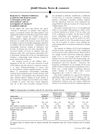 1 citations
,
August 2018 in “Journal of the American Academy of Dermatology”
1 citations
,
August 2018 in “Journal of the American Academy of Dermatology” Children with autoimmune hair loss have similar vitamin D levels to healthy kids, suggesting no extra screening is needed.
8 citations
,
October 2016 in “Journal of Investigative Dermatology” MR antagonists may improve skin health and wound healing, especially in aging.
 October 2024 in “The Journal of Dermatology”
 Intravenous corticosteroid therapy is effective for long-term hair regrowth in alopecia areata, and a scoring system helps predict treatment success and relapse.
 April 2024 in “Frontiers in pharmacology”
 Brepocitinib 30mg is most effective for moderate-to-severe alopecia areata, but ritlecitinib 50mg may offer a better balance of safety and effectiveness.